
























YouTube Faces New Pressure Over AI Slop Targeting Young Children
A massive coalition of advocacy groups and child development experts is demanding that YouTube purge "AI slop"—hypnotic, low-quality, AI-generated videos—from its platforms to protect children's attention spans and cognitive development.
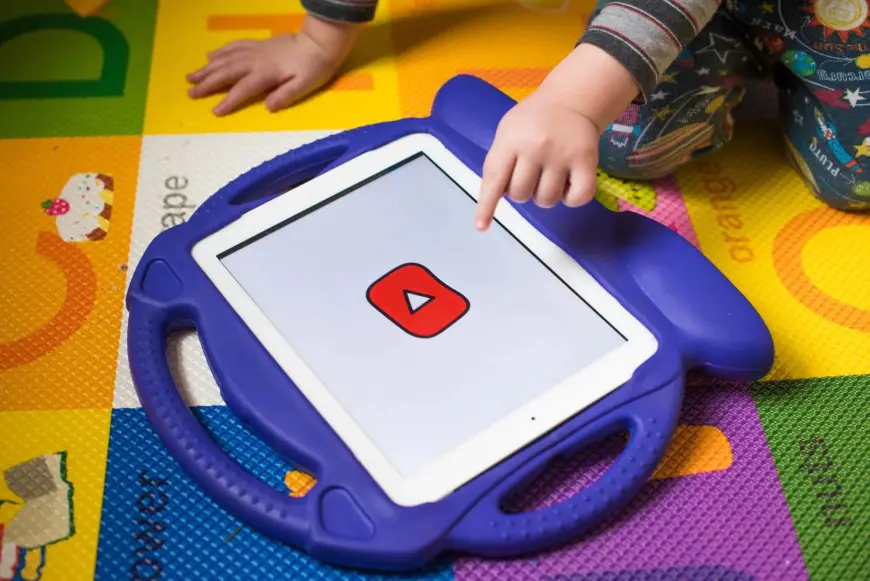

The digital playground is becoming increasingly cluttered with what experts are calling "AI slop"—a flood of low-quality, hypnotic, and often nonsensical AI-generated videos designed specifically to capture the fragile attention spans of toddlers. While YouTube has long been a staple for parents seeking a few minutes of peace, a growing coalition of advocacy groups warns that the platform's current hands-off approach to synthetic media is creating a developmental crisis for the youngest generation of viewers.
The Letter That Sparked the Debate
In a significant escalation of the ongoing battle over platform governance, the child safety nonprofit Fairplay, supported by over 200 organizations and individual experts, recently issued a formal demand to YouTube CEO Neal Mohan and Google’s Sundar Pichai. The group is urging the tech giant to implement immediate, drastic changes to how AI-generated content is filtered and recommended to children. They argue that this "slop" is not just harmless entertainment; it is a form of "toddler misinformation" that disrupts the critical period when a child's brain is being wired for social interaction and reality-based learning.
The coalition, which includes the American Federation of Teachers and renowned authors like Jonathan Haidt, highlights a glaring loophole in YouTube’s current policy. While the platform requires disclosure for "realistic" synthetic media, it provides a free pass for the vibrant, fast-paced animated content that dominates the kids' vertical. Because these videos are clearly "unrealistic," they avoid labeling, even if they were entirely scripted and rendered by an algorithm with zero human editorial oversight.
The Business of Brainrot
Why is there so much of this content? The answer, predictably, is financial. According to data cited by advocacy groups, the top-watched channels peddling AI-generated nursery rhymes and "brainrot" content are earning upwards of $4.25 million in annual revenue. For creators, the math is irresistible: why hire a team of animators and writers when a generative AI model can churn out fifty videos a week for the cost of a server subscription?
These videos often feature repetitive structures, jarring colors, and logic-defying plots that keep children in a state of "passive trance." Experts suggest this mesmerizing effect displaces essential offline activities like play and sleep. "Pushing AI slop onto young children is a testament to how these platforms are designed to maximize time online at any cost," said Rachel Franz, a director at Fairplay. The concern is that the algorithm doesn't care if a video is educational; it only cares that the "watch time" metric continues to climb.
A Call for Transparent Guardrails
The pressure mounting on YouTube isn't just about deleting bad videos; it's about giving parents the tools to opt out. The advocacy groups have proposed a specific list of demands, including a "parental toggle" that would allow users to hide AI-generated content entirely from their children's feeds. They are also calling for a total ban on AI-generated content within the specialized YouTube Kids app, which is marketed as a curated, safe space for minors.
YouTube has previously stated that managing "low-quality repetitive content" is a priority for its 2026 roadmap. However, critics argue that current efforts are akin to playing "whack-a-mole" while the house is on fire. As documented in reports by The Associated Press, the sheer volume of AI-generated uploads makes manual moderation impossible, leaving the safety of millions of children in the hands of the same algorithms that promoted the content in the first place.
What Happens Next
As we move deeper into 2026, the narrative surrounding AI is shifting from "what can it build" to "what should it be allowed to influence." If YouTube fails to address the concerns of these 200+ organizations, they may find themselves facing more than just open letters. Legal experts suggest that this could be the precursor to a landmark social media addiction trial, focusing specifically on the predatory use of AI to hook young audiences.
For parents, the takeaway is clear: the "Made for Kids" label on YouTube is no longer a guarantee of quality or safety. Until the platform implements a transparent labeling system and more robust parental controls, the burden of filtering out the "slop" remains firmly on the shoulders of the users.