



































How Generative AI Could Unlock The Next Breakthrough In Human Longevity
Insilico Medicine has entered a multi-million-dollar partnership with Human Life Foundation Models to develop a powerful AI system focused on aging, disease prediction, and personalized longevity therapies. The collaboration could reshape how scientists understand aging and prevent age-related diseases decades before symptoms appear.


AI Is Moving Deeper Into The Science Of Human Aging
The intersection of artificial intelligence and biotechnology is entering a bold new chapter after clinical-stage AI drug discovery company Insilico Medicine announced a major partnership with Human Life Foundation Models, Inc. (HLFM). The collaboration aims to develop what researchers describe as a specialized multi-modal AI foundation model capable of decoding the biological mechanisms behind human aging.
The initiative is far more ambitious than a traditional healthcare analytics project. According to early details surrounding the partnership, the companies plan to build a super-intelligent AI system trained on massive biological, clinical, genomic, and longitudinal health datasets. The ultimate goal is to predict disease risks decades before symptoms appear while accelerating the discovery of personalized longevity therapies.
Why The Aging Research Industry Is Turning To AI
Aging remains one of the most complex scientific challenges in medicine. Researchers have long struggled to fully understand how genetic, environmental, metabolic, and cellular processes interact over time to influence disease development and overall lifespan. Traditional biomedical research methods often require years of experimentation and enormous amounts of clinical data analysis.
Generative AI is now emerging as a potentially transformative tool because of its ability to process highly complex datasets at scales impossible for human researchers alone. Instead of studying isolated biological pathways individually, advanced AI systems can analyze millions of interactions simultaneously, identifying hidden patterns tied to aging, disease progression, and therapeutic response.
Insilico Medicine has already become one of the most closely watched companies in AI-driven drug discovery. The firm has gained industry attention for using artificial intelligence to accelerate pharmaceutical research and identify novel therapeutic targets. Organizations such as Nature Biotechnology have increasingly highlighted AI-powered drug discovery as one of the fastest-growing areas in life sciences innovation.
The Rise Of Multi Modal Foundation Models In Healthcare
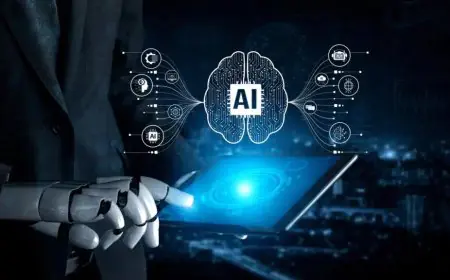
What makes the new partnership especially significant is its focus on building a multi-modal AI foundation model specifically designed for longevity science. Unlike conventional AI systems trained on a single type of information, multi-modal models combine different forms of data including genomics, imaging, laboratory results, wearable health signals, electronic health records, and clinical research findings.
By integrating multiple layers of biological information, researchers hope the system can develop a far deeper understanding of how aging unfolds across the human body over time. Supporters of the initiative believe this approach could eventually allow doctors to detect disease risks years — or even decades — before traditional diagnosis methods would normally identify them.
The broader healthcare industry is already moving rapidly toward predictive and personalized medicine. Research institutions including the National Institutes of Health continue investing heavily in precision medicine programs designed to tailor healthcare treatments based on individual biological differences and long-term health patterns.
What This Could Mean For The Future Of Healthcare
If successful, the partnership between Insilico Medicine and HLFM could influence far more than longevity research alone. AI systems capable of modeling human aging at large scale may eventually reshape preventive medicine, pharmaceutical development, and healthcare economics worldwide.
For example, earlier disease prediction could help healthcare providers intervene before costly chronic conditions fully develop. Pharmaceutical companies could also use AI-generated biological insights to design more targeted therapies with higher success rates and shorter development timelines.
While challenges around privacy, clinical validation, and regulatory oversight remain substantial, the collaboration reflects a growing belief across the biotech industry that artificial intelligence may fundamentally change how humans understand aging itself. As generative AI continues expanding beyond software and automation, its next major frontier may ultimately be extending both the quality and length of human life.