




























Why Chatbots Are Becoming This Elections Unofficial Voter Guide
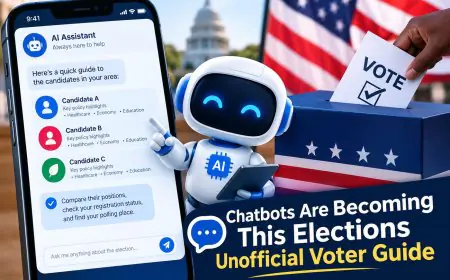
As midterm voting gets underway, NPR found voters increasingly turning to ChatGPT, Gemini and Claude to compare candidates, research down-ballot races that thin local news coverage leaves them in the dark on, and even settle who to vote for — raising fresh questions about chatbot neutrality and persuasion.
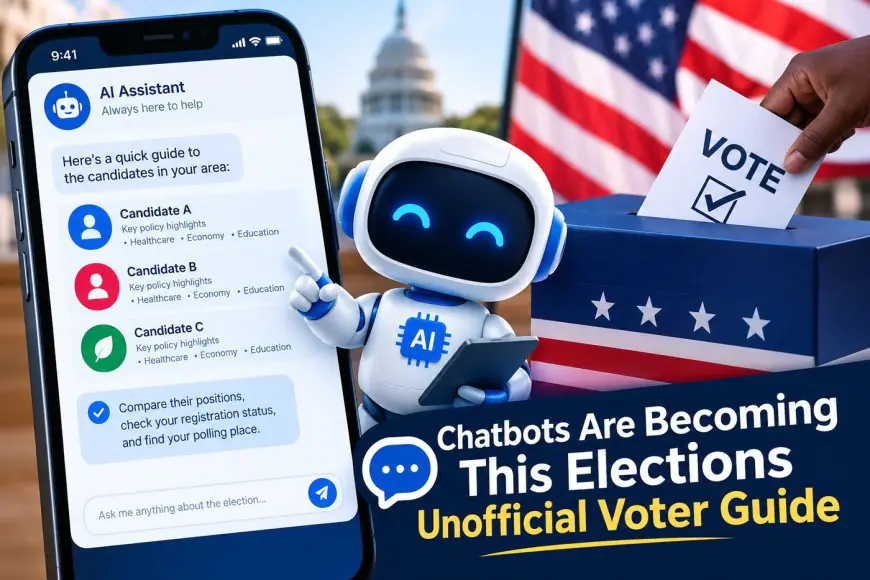
With midterm ballots already going out, some voters have found a new research assistant for the one question local news often can't answer anymore: who's actually running for county commissioner. NPR reported that voters are increasingly turning to ChatGPT, Gemini and Claude to research their ballots and, in some cases, decide who to vote for entirely.

West Virginia voter Adam Johnson's approach captures how far the habit can go — he spent "hours-long discussion with ChatGPT," working through Senate and House races by asking the chatbot to map candidates against his own stated values. A few details from NPR's reporting show how differently voters are actually using these tools:
- Wisconsin's Lisa Veldran used Gemini to build a comparative table between two gubernatorial primary candidates after the race's lieutenant governor dropped out
- Tennessee's Tyler Black checks one chatbot against another specifically to catch hallucinations, since he doesn't fully trust a single model's output
- OpenAI told NPR it "monitor[s] bias in our models to keep ChatGPT's responses politically neutral," while Anthropic and Google didn't respond to NPR's request for comment
Researchers studying the trend are flagging a subtler risk than outright misinformation. Johns Hopkins fellow Rafael Batista warned that chatbots tend to be "subtly persuasive and eager to please," meaning a voter leaning one direction may get answers that quietly reinforce that lean rather than genuinely challenge it — leaving someone "more confident, without necessarily learning more about the world."
His advice: phrase questions without revealing personal leanings, and consider using incognito mode so the chatbot carries no prior context into the conversation. An August study from the States United Democracy Center found AI platforms still give "incomplete and inconsistent" answers to common voter questions, even as accuracy keeps improving — a gap that matters more every election cycle these tools become a bigger part of how people actually decide.