



































Nvidia GTC 2026 will Transform the Global Landscape of Artificial Intelligence
As the doors open for Nvidia GTC 2026, the tech world anticipates the unveiling of the Rubin chip architecture and groundbreaking advancements in humanoid robotics that promise to redefine enterprise computing.
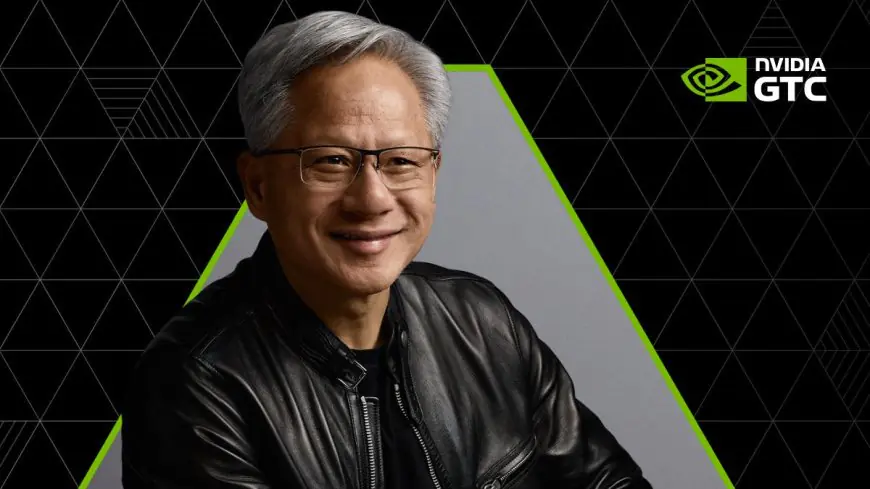


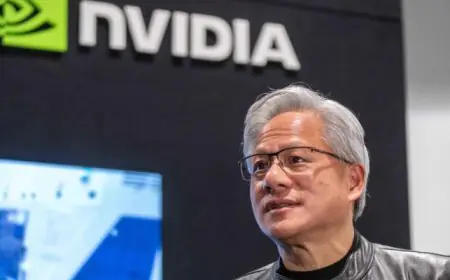
The atmosphere in San Jose is nothing short of electric as thousands of developers, researchers, and investors gather for the kickoff of Nvidia GTC 2026. Often referred to as the "Woodstock of AI," this year’s conference arrives at a critical juncture for the industry. While 2024 and 2025 were defined by the frantic scramble for compute power, 2026 is shaping up to be the year where that power finally moves from the data center into the physical world. All eyes are on CEO Jensen Huang as he prepares to deliver a keynote that many believe will set the roadmap for the next five years of global innovation.
The headline act of the event is undoubtedly the formal introduction of the "Rubin" architecture. Named after astronomer Vera Rubin, this new platform is the successor to the highly successful Blackwell series. Industry insiders expect Rubin to offer a staggering leap in energy efficiency and processing speed, specifically optimized for the trillion-parameter models that are now becoming the standard for frontier AI labs. By integrating next-generation HBM4 memory, Nvidia aims to solve the "memory wall" that has long throttled the performance of high-end generative models.
Beyond silicon and into the era of physical AI
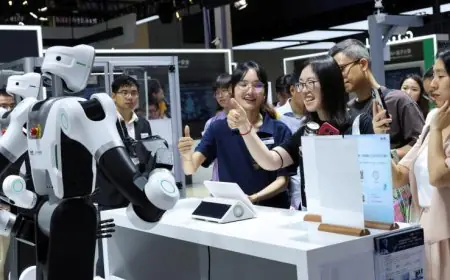
While chips remain the foundation of Nvidia’s empire, GTC 2026 is signaling a massive pivot toward "Physical AI." This refers to the intersection of generative intelligence and robotics. We are seeing a significant evolution of Project GR00T, Nvidia’s foundation model for humanoid robots. The goal is no longer just to have robots that can perform repetitive factory tasks, but machines that can perceive, learn, and navigate complex human environments with minimal supervision.
The implications for the labor market and global supply chains are immense. Major manufacturing hubs are looking to these AI-driven systems to bridge the gap in aging workforces and increasing production demands. During the opening sessions, several live demonstrations showcased humanoid prototypes powered by the new Jetson Thor modules, performing tasks that required a level of dexterity and situational awareness that was unthinkable just eighteen months ago.
- Next-Gen Networking: The rollout of Spectrum-X800 switches designed to handle the massive data throughput of Rubin-based clusters.
- Sovereign AI: A renewed focus on helping individual nations build their own domestic AI infrastructure to ensure data security and cultural alignment.
- Omniverse Expansion: New digital twin tools that allow companies to simulate entire cities and factories with photorealistic accuracy before a single brick is laid.
The enterprise shift from experimentation to execution
For the corporate world, GTC 2026 marks the end of the "pilot project" era. Enterprises are no longer just asking what AI can do; they are integrating it into the core of their operations. This shift is being supported by the Nvidia GTC ecosystem, which has expanded its software stack to make AI deployment more accessible to non-tech companies. The "AI Factory" is becoming a standard business unit, where data is the raw material and intelligence is the finished product.
Market analysts are also closely watching the financial ramifications of these announcements. As Nvidia continues to capture the lion's share of the AI hardware market, the competition is heating up. However, the sheer depth of Nvidia’s software ecosystem—from CUDA to NIM microservices—creates a moat that remains difficult for rivals to cross. You can track the broader market sentiment and expert breakdowns of these technological shifts at TechCrunch, where the focus remains on the intersection of venture capital and deep tech.
As the conference progresses over the next few days, the focus will likely shift from the "what" to the "how." How will we power these massive arrays sustainably? How will we regulate the autonomous systems roaming our warehouses? While those questions are complex, the message from San Jose is clear: the age of the AI-driven economy hasn't just arrived—it is accelerating at a pace that few could have predicted.
Whether you are a developer looking for the latest SDKs or an investor tracking the next wave of capital expenditure, GTC 2026 is the primary signal in a world full of noise. The silicon of today is paving the way for the intelligence of tomorrow, and for now, Nvidia remains the undisputed architect of that future.