
































Samsung Booked a Record 107 Trillion Won Profit in One Quarter and Investors Still Wanted More
Samsung says it is the first tech company to clear KRW 100 trillion in quarterly operating profit, almost all of it from AI memory, yet its shares fell after SK Hynix gave a bolder outlook. Samsung also says its 2027 HBM supply is already sold out.
Samsung Electronics just reported an operating profit of KRW 107.4 trillion for a single quarter, and the stock market shrugged. That is the whole story of the AI memory boom in one awkward afternoon. The money is staggering. The mood is already "what else you got?"


The numbers, per Samsung's own results release: KRW 195.3 trillion in revenue for July to September, an all-time quarterly high, and the 107.4 trillion operating profit, which Samsung says makes it the world's first tech company to exceed KRW 100 trillion in a quarter. A year earlier it earned KRW 12.2 trillion, according to Reuters, which put the new figure at about $80 billion. Samsung's earnings presentation puts the operating margin at 55.0%.
Nearly all of it came from one division. The chip unit earned KRW 106.5 trillion of the group's 107.4 trillion. Everything else Samsung sells, from phones to TVs to washing machines, barely registered on the profit line.
The driver is high-bandwidth memory, the stacked chips that sit next to AI accelerators in data centers. The Korea Herald reported that Samsung's HBM4 revenue more than tripled from the previous quarter and made up about 60 percent of its HBM revenue. On the earnings call, the company said:
"Negotiations for our 2027 HBM supply have been completed at prices reflecting our product competitiveness, and the volume is already sold out." Samsung Electronics, third-quarter earnings call, as reported by the Korea Herald
Treat "sold out" as Samsung's claim, not an audited fact. It is also the sort of line a memory maker wants customers and investors to hear. But it fits what the company says it sees. Samsung said in a statement, per Reuters, that AI-driven demand "will far exceed the industry supply" next year, and it expects the market to stay tight through 2028.
A record that still disappointed
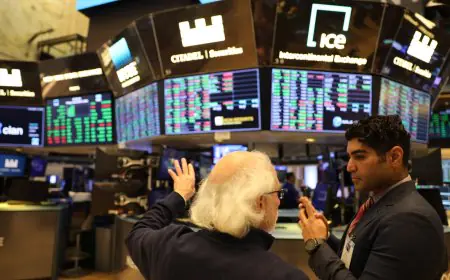
Here is the twist. According to Reuters, Samsung shares opened higher, then reversed and fell as much as 6.2% in morning trade. The reason was less about the quarter than about the comparison. SK Hynix had reported a day earlier, said its DRAM and HBM chips were sold out through 2029, and warned the shortage would last to 2030. Samsung's read on the shortage was shorter, and it put off any new shareholder-return plan until late January 2027.
"Samsung's decline was likely attributable to its outlook on how long the memory shortage would last, which came across as marginally less bullish than SK Hynix's commentary yesterday." Jing Jie Yu, analyst at Morningstar, quoted by Reuters
Samsung is spending like it believes the shortage is real. It plans about KRW 84.4 trillion in capital expenditure this year, including KRW 76.8 trillion for chips. It has also signed long-term supply deals with 10 major customers, is negotiating with 10 more, and aims to have 60 to 70 percent of its capacity under such contracts by 2030, according to the Korea Herald.
The part I would watch is who pays. Samsung's device division, which covers phones, TVs and appliances, lost KRW 0.8 trillion in the quarter. Samsung blamed cost pressures and, for appliances, higher raw material and logistics costs. Reuters tied the mobile margin squeeze to higher memory chip costs, and noted that the pace of memory price gains is slowing as higher prices weigh on smartphone and PC makers. In plain terms, a chunk of that KRW 107.4 trillion is a price hike paid by hardware buyers, and Samsung's own phone team is one of them.
None of this means the boom is ending. Samsung says AI infrastructure spending will hit a historic level in 2027, and that is a forecast, not a fact. Chip stocks have also been rattled in recent months by worries over AI financing and Chinese competition, Reuters noted. A company can post the biggest profit in its industry and still be asked to prove the next quarter.
For anyone buying AI hardware, or just a new laptop, the practical takeaway is blunt. Memory is the bottleneck, and the people selling it know it. We saw the first consumer-side symptoms in August, when Google tightened Android app memory rules as data centers soaked up chips.