












































How SK Telecom Is Rebuilding Its Infrastructure Using AI
At MWC 2026, South Korean giant SK Telecom revealed a radical plan to overhaul its core infrastructure with an AI-first architecture, aiming to set the global standard for the next generation of telecommunications and 6G readiness.
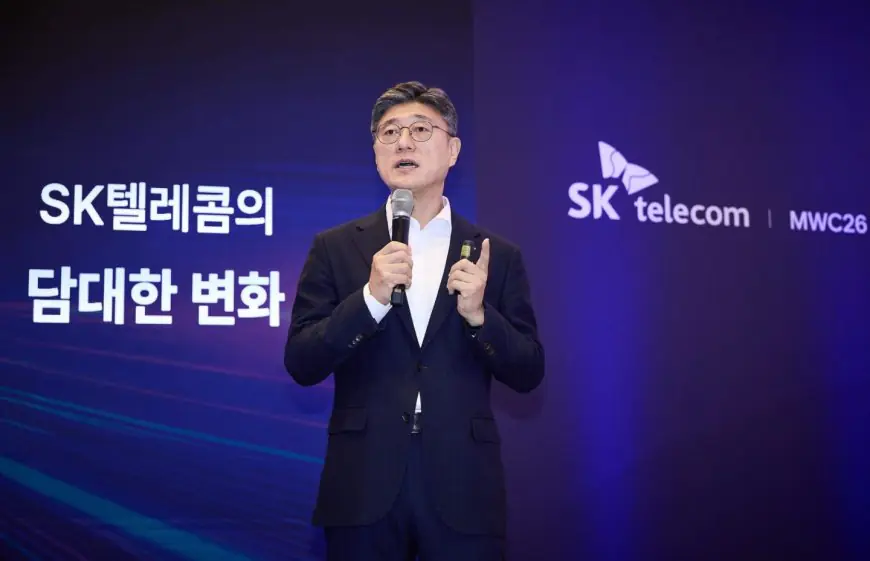


The dust is finally settling on Mobile World Congress (MWC) 2026 in Barcelona, and while the halls were filled with the usual array of sleek folding devices and futuristic gadgets, the real revolution was happening beneath the surface. South Korea’s telecommunications leader, SK Telecom, has officially drawn a line in the sand. Moving beyond the experimental phase of artificial intelligence, the company has outlined a comprehensive, AI-centric rebuild of its entire core network, signaling a massive shift in how global carriers will operate in the coming decade.
This isn't just about adding a few chatbots to customer service or optimizing a handful of towers. SK Telecom’s vision, presented by its leadership team on the main stage, involves a fundamental "re-architecting" of the telecommunications stack. By embedding AI into the very marrow of the network—from the Radio Access Network (RAN) to the core switching centers—SKT aims to create a living, breathing infrastructure that can self-heal, self-optimize, and anticipate demand before a single packet of data is even sent.
The Shift to an Intelligence Native Network
For years, the industry has talked about "Software Defined Networking," but SK Telecom is pushing for what it calls "Intelligence Native" infrastructure. The goal is to move away from rigid, human-managed systems and toward a model where AI agents manage the micro-decisions of network traffic in real-time. This is particularly crucial as the world inches closer to the commercialization of 6G, which will require latencies so low that human intervention becomes a bottleneck.
One of the most striking parts of the announcement was the focus on the "Telco LLM"—a large language model specifically trained on telecommunications data. Unlike general-purpose models, this AI understands the nuances of network protocols, equipment logs, and localized signal interference. By deploying this across their infrastructure, SKT claims they can reduce operational complexity by nearly 40%, allowing their human engineers to focus on high-level strategy rather than putting out technical fires.
According to the official MWC Barcelona organizers, this move is a centerpiece of the "Global Telco AI Alliance," a collaborative effort between SKT, Deutsche Telekom, e&, and Singtel. Together, these giants are pooling resources to ensure that the future of the internet isn't just fast, but smart enough to manage itself without constant manual tuning.
Energy Efficiency and the Green AI Mandate
Beyond performance, SK Telecom is leaning into AI to solve one of the industry's most pressing problems: power consumption. Global networks are notorious energy hogs, especially with the increased density of 5G and 6G small cells. SKT’s new AI-driven power management system uses predictive analytics to "sleep" certain parts of the network during low-traffic periods and wake them up milliseconds before they are needed.
This "Dynamic Power Scaling" is expected to cut the company’s carbon footprint by a significant margin. It’s a move that aligns perfectly with global ESG goals, but it’s also a savvy business decision. In an era of fluctuating energy prices, an AI that can shave 15% off a utility bill across thousands of base stations is worth its weight in gold. As reported by The Korea Herald, SKT is already seeing these efficiency gains in their Seoul-based pilot programs, proving that the tech is ready for the prime time.
What This Means for the Global Market
The implications of SK Telecom’s "AI-centric" rebuild extend far beyond the borders of South Korea. By open-sourcing parts of their Telco AI framework through the Global Telco AI Alliance, they are essentially providing a blueprint for carriers in Europe, North America, and Southeast Asia. We are witnessing the birth of a new standard where the "network" and the "AI" are no longer two separate entities.
For consumers, this translates to a invisible but profound change. Imagine a world where "dead zones" are eliminated because your network proactively redirected signal strength to your specific location, or where network congestion during a massive stadium event is managed by an AI that reroutes traffic in microseconds. SK Telecom isn't just building a faster internet; they are building a more intuitive one. As the industry looks toward 2027, the focus will undoubtedly shift from who has the most towers to who has the smartest ones.