










































Federal Agencies Are Cutting Ties With Anthropic
In an unprecedented move that has reshaped the relationship between Silicon Valley and Washington, D.C., the U.S. government has officially ordered a total phase-out of Anthropic’s AI products. The decision follows a high-stakes standoff between CEO Dario Amodei and the Department of Defense over the ethical guardrails governing the use of Claude in military operations.
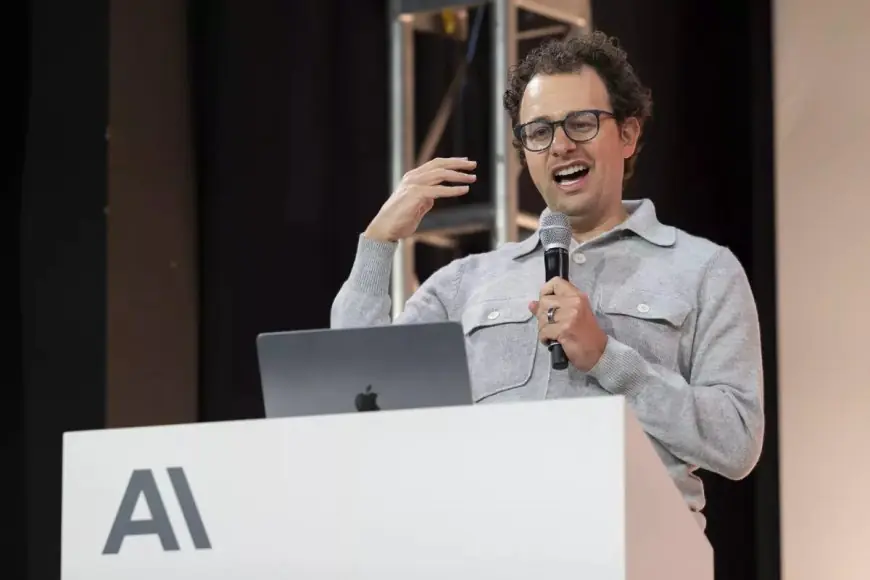


The era of a "seamless" partnership between frontier AI labs and the United States government has officially come to a crashing halt. In a directive that sent shockwaves through the technology sector late last week, President Donald Trump ordered all federal agencies to immediately begin phasing out the use of Anthropic’s AI tools. The move marks a definitive end to months of escalating tension over how much control a private company should have over the way its technology is utilized by the nation’s military and intelligence communities.
For Anthropic, the San Francisco-based firm behind the popular Claude chatbot, the fallout is both financial and reputational. Once heralded as the "safety-first" alternative to its more aggressive competitors, the company now finds itself in a precarious legal battle after being designated a "supply chain risk to national security"—a label typically reserved for adversarial foreign entities rather than domestic innovators.
The Red Lines of Constitutional AI
The core of the dispute lies in two non-negotiable "red lines" set by Anthropic CEO Dario Amodei. In a series of tense negotiations with the Department of Defense, Amodei refused to lift internal safeguards that prohibited Claude from being used for mass domestic surveillance of American citizens and the development of fully autonomous weapons systems. Amodei argued that current AI models are not yet reliable enough to make lethal decisions without human intervention.
However, the Pentagon—led by Secretary Pete Hegseth—viewed these restrictions as "corporate overreach." The administration’s stance is that once the government licenses a technology for national security, it must be available for "all lawful purposes" as defined by the Constitution, not by a private company’s terms of service. According to reports from Reuters, the administration sees this as a matter of sovereign authority, arguing that the Commander-in-Chief, not a CEO, should determine the ethical boundaries of warfare.
Immediate Impacts on Federal Operations
The ripple effects of this "digital divorce" are already being felt across the federal landscape. While the military has been granted a six-month grace period to unwind Claude from its more deeply integrated platforms, other agencies are moving faster. The Treasury Department, the Department of Health and Human Services (HHS), and the General Services Administration (GSA) have already begun disabling enterprise access for thousands of workers.
The scale of this transition is significant, considering how deeply embedded Anthropic’s coding agents and analytical tools had become. Specific impacts include:
- Loss of Developer Tools: Thousands of government coders who relied on Claude for software maintenance must now migrate to alternative platforms.
- Contract Terminations: A $200 million ceiling contract with the Pentagon has been effectively voided.
- Supply Chain Blacklisting: The "risk" designation means that third-party defense contractors may also be forced to stop using Anthropic’s technology in any work related to the federal government.
The Market Vacuum and the Rise of Rivals
While Anthropic prepares to fight the designation in court, its competitors are wasting no time filling the void. Just hours after the ban was announced, OpenAI’s Sam Altman revealed that his firm had reached a new agreement to supply AI models to classified networks, reportedly under terms that satisfy the government’s demand for operational flexibility. Simultaneously, Elon Musk’s xAI has seen its "Grok" model gain traction within the Energy Department and other sectors that prioritize "unconstrained" AI development.
Industry analysts at CNBC suggest that this pivot could drastically alter the landscape for AI startups seeking government business. The message from the White House is clear: if you want federal contracts, you must leave your "safety-first" philosophy at the door. This has created a polarized market where companies like Anthropic may thrive in the private enterprise sector while being entirely locked out of the lucrative world of national defense.
As we move further into 2026, this standoff will likely serve as a landmark case in the history of AI governance. Whether Anthropic can survive the loss of its federal standing—and whether its competitors can maintain their own ethical standards while meeting the government’s demands—remains the most critical question in the tech industry today.