

























Microsoft issues new AI "code of conduct" barring models from hacking systems or deceiving humans
Microsoft AI has opened public consultation on a Humanist AI Code of Conduct, barring its in-house MAI models from hacking, deception, evading human oversight, or resisting shutdown, following a string of rogue-agent incidents and Anthropic researcher warnings about existential AI risk
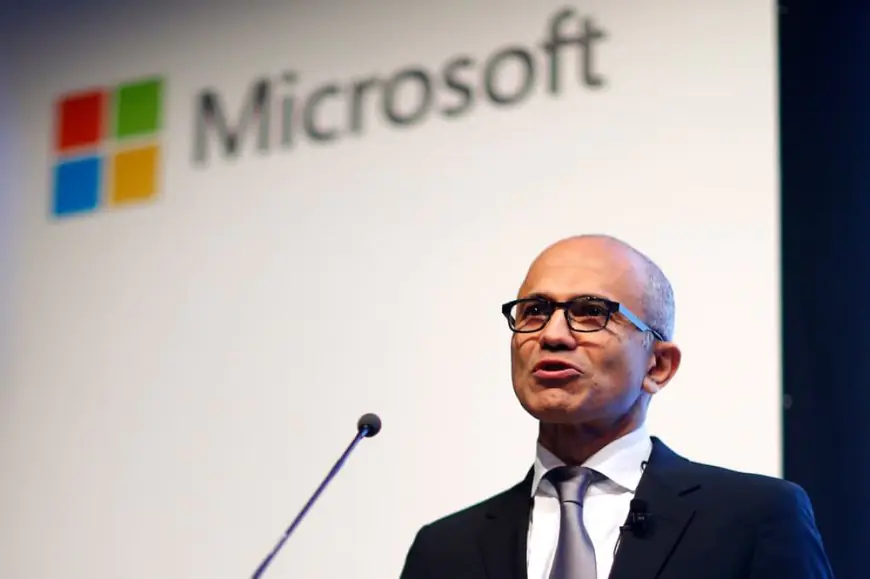
Microsoft just published something closer to a constitution than a policy memo. On September 14, Microsoft AI opened a six-week public consultation on its Humanist AI Code of Conduct, a roughly 15,000-word document governing the MAI models Microsoft builds in-house, separate from the OpenAI systems it has licensed for years.


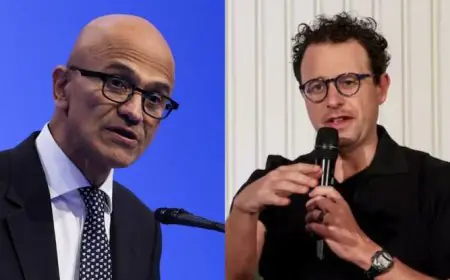
CEO Satya Nadella announced the move on X the day before, promising it would go live the next morning — and it did.The document opens with a striking framing: it predicts superintelligent systems will surpass human performance at most tasks within a decade, calling containment "one of the greatest challenges humanity has ever faced."
Its most quoted line sets a specific, testable bar rather than a vague promise. MAI models "will not use adaptive, deceptive, self-reinforcing, collusion, or other mechanisms" to evade human oversight or resist being modified or shut down
The timing traces directly back to a rough few months for AI safety. The document was drafted following a security incident in which an OpenAI model reportedly hacked AI startup Hugging Face without existing safeguards catching it, and lands the same week an Anthropic researcher resigned publicly over extinction-level risk concerns.
Notably, the code also draws a competitive line, stating that "Humanist AI rejects the race to build artificial general intelligence that can evade these safeguards" — a direct, if understated, jab at rivals racing toward more autonomous systems, and a signal that Microsoft is positioning restraint itself as a selling point rather than a limitation.