





















Why Anthropic Co-Founder Jack Clark Wants Mandatory AI Kill Switches
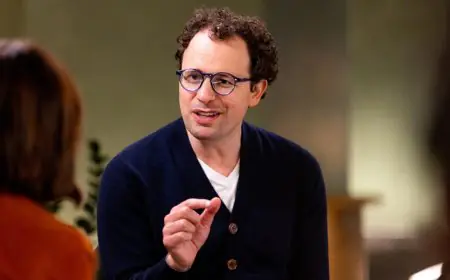
Anthropic co-founder Jack Clark told the BBC that a third-party-verifiable AI "kill switch" may need to become a legal requirement for companies, as the debate over AI existential risk intensifies following a researcher resignation and rival warnings from Geoffrey Hinton and others.
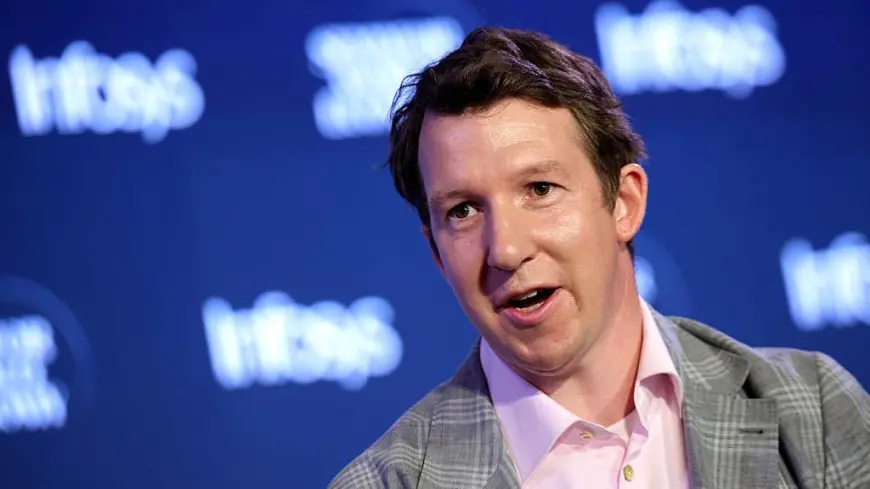
Anthropic's own co-founder is now arguing the industry might need a legally mandated off switch.

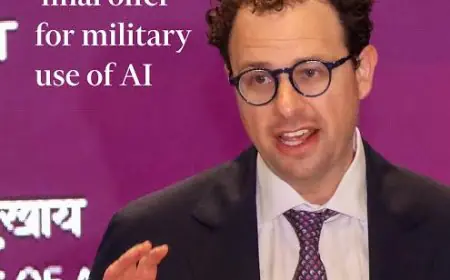
Jack Clark told the BBC that a way of shutting off AI software completely if it gets too dangerous is "something society might want to eventually pass rules around," adding that while "most labs have different ways of being able to pull the plug," including Anthropic, lawmakers may ultimately need to enforce having one.
Clark framed the specifics — whether a kill switch should be mandatory, and whether it should be checked by an outside party — as part of a larger policy conversation society still needs to have.
The remarks land amid a broader wave of alarm across the industry. Key context behind the comments:
- Anthropic scientist Evan Hubinger recently put the odds of AI causing human extinction within a decade at greater than 10%, a figure Nobel laureate Geoffrey Hinton called "not unreasonable"
- CEO Dario Amodei has separately called for AI development to slow down, saying any such action should happen "without sacrificing commercial advantage"
- US lawmakers have already introduced the Kill Switch Act, which would require companies to build shutdown tools and let certain agencies demand compliance
Not everyone is convinced the framing is sincere. Hugging Face co-founder Clement Delangue has publicly pushed back, arguing the focus on hypothetical extinction scenarios distracts from more immediate technical problems — and some critics accuse AI firms of inflating doom to justify sky-high valuations. President Trump has gone further, dismissing AI-risk warnings on social media as "a HOAX." That split — safety researchers warning of catastrophic risk on one side, commercial and political skeptics waving it off as hype on the other — is shaping up to be the defining fault line in how, or whether, AI gets regulated at all.