
















The AI Autumn Chill: Why a Growing Cohort of Skeptics Is Challenging the Boom
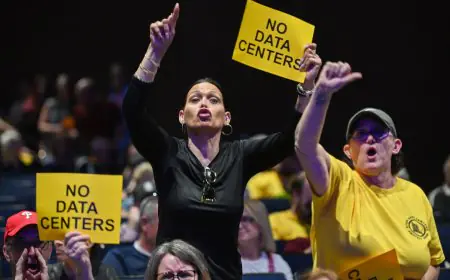
As 2025 draws to a close, a powerful counter-narrative has emerged against the relentless AI hype. Financial analysts, ethicists, and tech veterans—collectively known as "AI Boom Skeptics"—are pointing to a widening gap between massive capital investments and actual business utility, while sounding the alarm on the proliferation of "AI slop."


The ROI Reality Check: Beyond the $500 Billion Bet
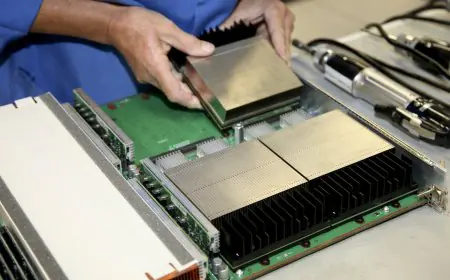
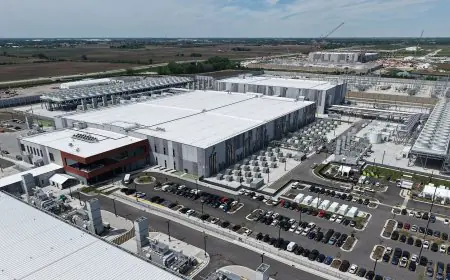
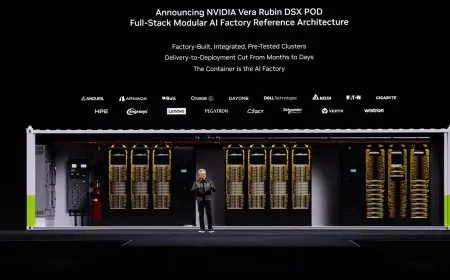
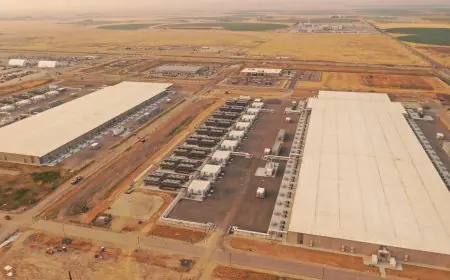
For the past three years, the tech world has operated under a "build it and they will come" philosophy regarding artificial intelligence. However, as we move into the final days of 2025, the industry is hitting what many are calling the "Autumn Chill." While hyperscalers like Microsoft and Meta are projected to spend over $500 billion on AI infrastructure in the coming year, a vocal group of skeptics is asking a simple, devastating question: Where is the money coming back from?
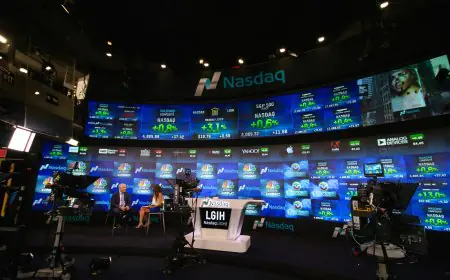
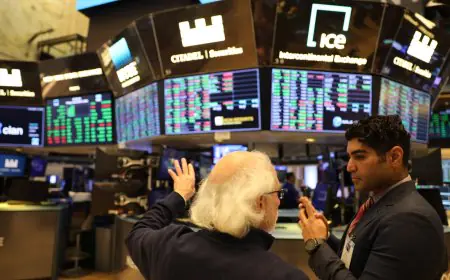
Recent data from the World Economic Forum suggests that while AI's potential is undeniable, the implementation phase has been far rockier than predicted. A controversial MIT study circulating this quarter suggests that up to 95% of generative AI pilot projects in the enterprise sector have failed to move beyond the experimental stage due to a lack of measurable return on investment (ROI). This "Great Decoupling"—the gap between soaring stock valuations and stagnant productivity gains—has provided significant ammunition for those who believe the current boom is a classic speculative bubble.
The Rise of "AI Slop" and the Trust Deficit
Beyond the balance sheets, a more insidious concern is taking root: the degradation of the digital commons. Critics have coined the term "AI slop" to describe the deluge of low-quality, synthetically generated content that is currently flooding social media, search engines, and even academic journals. Skeptics argue that instead of enhancing human creativity, AI is being used to automate mediocrity, making it increasingly difficult for users to find authentic, reliable information.
This isn't just a matter of aesthetic preference; it’s a societal risk. The 2025 Global Risks Report identified AI-driven disinformation as one of the top three threats to global stability. With deepfakes projected to reach 8 million unique instances this year—a staggering 1,500% increase since 2023—the skepticism isn't just about whether the tech works, but whether our social fabric can survive its output. The argument is no longer that AI can't do things, but that it shouldn't do them without a rigorous, human-centric verification framework that currently doesn't exist.
The Quest for Verification: Can We Save the Truth?
In response to this growing skepticism, a new "Verification Economy" is beginning to emerge. This shift focuses on moving away from blind trust toward a "verify-then-trust" model. Efforts are ramping up to standardize digital watermarking and provenance tracking, such as the C2PA standard, which aims to provide a digital "nutrition label" for every piece of content found online.
However, skeptics remain wary. They point out that current detection tools are notoriously "brittle"—easily fooled by minor edits or "jailbreaking" techniques. The debate has moved into the halls of governance, where the United Nations’ new International Scientific Panel on AI is desperately trying to establish global benchmarks for what constitutes "reliable" AI. For the skeptics, these regulatory hurdles aren't just red tape; they are necessary guardrails to prevent a complete collapse of digital trust.
Is an "AI Winter" Inevitable?
The term "AI Winter" refers to historical periods where interest and funding in AI evaporated after failing to meet overblown expectations. While few experts predict a total freeze in 2026, many agree that a "market correction" is overdue. The most grounded skeptics don't believe AI is a fad; rather, they believe the current narrative of AI is unsustainable.
As we transition into 2026, the focus is shifting from "What can the model do?" to "How can we prove the model is right?" For companies and investors, this means the honeymoon phase of unchecked spending is over. The coming year will likely be defined by a "flight to quality," where only the most reliable, verifiable, and economically sound AI applications will survive the scrutiny of an increasingly skeptical public.