








































Barclays Is Cutting 5,000 Jobs and Calls AI the Icing on the Cake
Barclays posted a 12% profit jump and, in the same breath, said it expects about 5,000 fewer staff, with fewer developers as AI makes its people more productive. Unions call it an excuse.
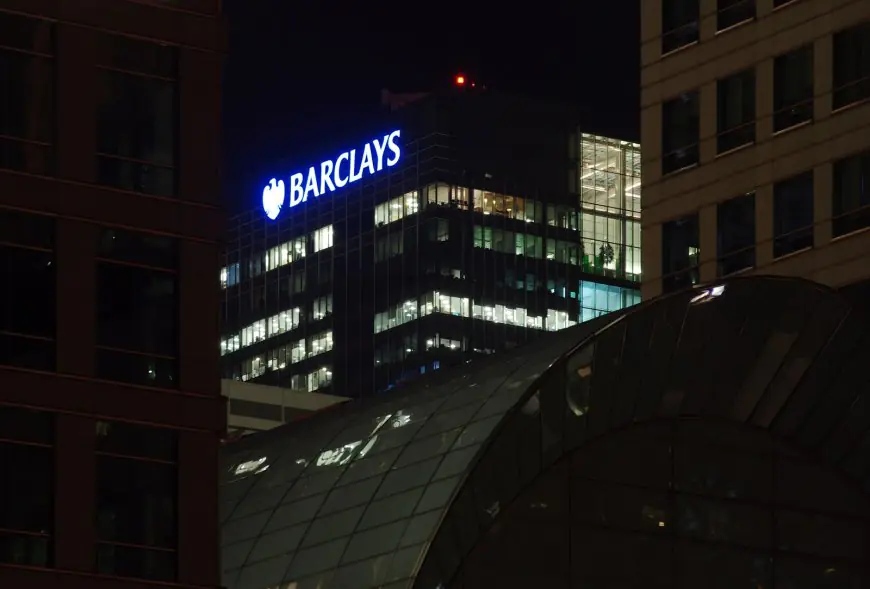
Barclays had a good quarter. Pre-tax profit rose 12% to £2.3 billion, income climbed 3% to £7.4 billion, and the bank handed shareholders another £500 million buyback. On the same morning, it told the world it expects to run with about 5,000 fewer full time employees, roughly one in every 20 people on a payroll of around 93,000.


The bank did not bury the reason. In its third quarter results, Barclays said it is "structurally reducing the cost base through expected technology-enabled FTE reductions, creating capacity for further investment in the business." Translation: fewer people, more tech spend, better margins.
Chief financial officer Anna Cross was even more direct on Thursday's earnings call, tying the cuts to more than £1.1 billion of gross efficiency savings the bank expects in 2027.
"These actions involve an expected reduction of circa 5,000 full-time employees. Around 60% of the group actions relate to support functions, including fewer developers as AI makes our people more productive." Anna Cross, Barclays CFO
Read that again. Fewer developers. The people who write the code are among the first to be written out of it. That is the uncomfortable twist in the Barclays story, and it mirrors what we have seen in tech itself, where Oracle's 21,000 job cuts landed alongside heavy AI spending.
The cuts are not hypothetical. Executives said about 1,000 roles had already gone since the start of the year, according to the Guardian, and RTE reported that the remainder are spread across the second half of 2026. Barclays UK is where it bites hardest. Cross told analysts that improved customer-facing technology has cut call centre volumes by 10% in the past year, while a new branch staffing model has reduced employees per branch by around 10% over the same period.
AI as the icing, not the cake
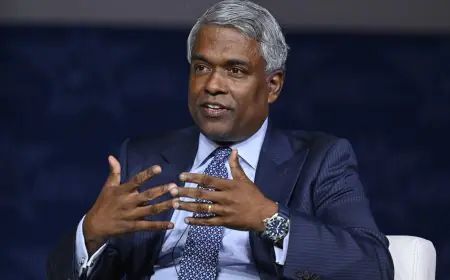
Chief executive CS Venkatakrishnan was careful when reporters pushed him on how many of the cuts were directly down to AI. According to the Guardian, he credited "deep investments" in technology and simpler processes, and called AI the "icing on the cake" of modernising the bank's systems.
"That is driving the bulk of the efficiency gains that you've seen so far. AI has an important role to play and may have a more important role to play in the future." CS Venkatakrishnan, Barclays CEO, as reported by the Guardian
That framing is doing a lot of work. AI gets the headline and the investor applause, while years of plumbing upgrades and process trimming do much of the actual cutting. For the 5,000 people involved, the distinction is academic.
The Unite union was not buying the gentle version. General secretary Sharon Graham said the bank was hiding behind the technology.
"Barclays workers deserve better than this. The company is using AI as an excuse to discard its loyal and long-suffering workforce." Sharon Graham, Unite general secretary, as reported by the Guardian
Unite said it is in "urgent and frank" talks with the bank. Its national officer for finance, Rick Coyle, argued that Barclays should be upskilling staff for AI, not cutting them.
There is a sharper warning from outside the union movement too. Forrester principal analyst JP Gownder told the Guardian that companies risk "cutting faster than the technology can compensate," and that many are "using AI as an excuse for financialised layoffs," with AI often not doing the work the departed employees used to do.
Downing Street called the cuts a matter for the bank, adding that "AI will change how people work, and we will support working people through that change," the Guardian reported.
Barclays is not alone. Standard Chartered announced plans earlier this year to cut more than 7,000 jobs over four years as it leaned into AI, the Guardian noted. But Barclays has made the trade unusually explicit: a profit jump on one page, a headcount cut on the next, and AI named as part of the bridge between them. Other boardrooms will have noticed.