











































Anti AI Extremism Led To Violent Security Attacks At OpenAI Facilities
Security tensions in the tech world have reached a breaking point following a series of violent attacks targeting OpenAI CEO Sam Altman and the company's San Francisco headquarters. As authorities classify these incidents as domestic terrorism linked to anti-AI radicalization, a global debate has erupted over the dangerous intersection of technological anxiety and extremist ideologies.



The tension surrounding the rapid ascent of artificial intelligence has moved from the realm of online discourse into a disturbing physical reality. In a series of escalating incidents in San Francisco, authorities have confirmed that OpenAI CEO Sam Altman and the company’s corporate facilities were the targets of deliberate, violent attacks. These events have sent shockwaves through the tech industry, signaling a dangerous new chapter in the societal pushback against autonomous technology. What was once dismissed as "Luddite" skepticism has now evolved into what federal prosecutors are labeling as domestic terrorism fueled by anti-AI extremism.
The first and most high-profile incident involved a 20-year-old Texas man, Daniel Moreno-Gama, who was arrested after allegedly throwing a Molotov cocktail at the gates of Altman’s Russian Hill residence. According to reporting from the Associated Press, the suspect had traveled across the country with a jug of kerosene and a manifesto outlining his existential fears of "impending extinction" at the hands of thinking machines. After the attack on the home, Moreno-Gama reportedly moved toward OpenAI’s headquarters on Third Street, where he was apprehended while attempting to force entry and threatening to "burn it down."
The Rise Of The Butlerian Jihadist
Perhaps the most concerning aspect of these attacks is the specific radicalization behind them. Investigators discovered that Moreno-Gama identified himself as a "Butlerian jihadist"—a term borrowed from Frank Herbert’s Dune universe describing a human-led crusade to eradicate computers and artificial intelligence. While the term originated in science fiction, it has increasingly become a rallying cry in fringe online communities that view AI not as a tool for progress, but as a direct threat to human agency and survival.
This ideology is being fueled by a toxic mix of legitimate concerns—such as job displacement and the erosion of privacy—and extreme misinformation. The "Butlerian" sentiment suggests that the only way to save humanity is through the physical destruction of the infrastructure that supports it. For OpenAI, a company that has become the face of the AI boom, this means their employees and facilities are now on the frontline of a new kind of ideological warfare.
Escalating Tensions And Global Fear
The violence did not end with a single arrest. Just 48 hours after the Molotov cocktail incident, a second security breach occurred near Altman’s home involving a drive-by shooting. While no injuries were reported, the frequency and nature of these attacks suggest a coordinated or at least "copycat" surge in anti-tech violence. The San Francisco Police Department has significantly increased patrols around major AI hubs, and tech companies are reportedly doubling their private security budgets in response to the "heightened threat environment."
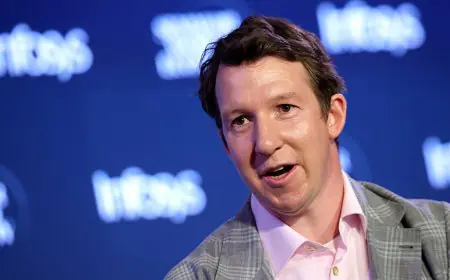
In a rare public response to the violence, Sam Altman addressed the situation in a blog post, acknowledging that "the fear and anxiety about AI is justified" given the scale of the transition society is currently facing. However, he emphasized that violence is an unacceptable path for addressing these concerns. This nuanced stance highlights the difficult position AI leaders find themselves in: they must acknowledge the valid societal anxieties while simultaneously protecting their staff from radicalized actors who view them as "supervillains" in a dystopian narrative.
The Consequences Of Polarization
The security fallout is also triggering a broader debate about how we talk about technology. Experts argue that the extreme polarization of the AI debate—where the technology is often presented as either a savior or an apocalypse—is contributing to this radicalization. When the stakes are framed as "human extinction," it provides a moral justification for extremists to take drastic measures. This climate is further exacerbated by critics who frame AI as a "theft" of human culture, a narrative that, while grounded in copyright concerns, can be twisted by unstable individuals into a call for physical retribution.
The focus for the AI sector must shift from mere technical innovation to robust societal engagement and physical security. The attacks in San Francisco are a wake-up call that the "move fast and break things" era has consequences that go far beyond broken code. For the industry to survive this period of friction, it will need to find a way to de-escalate the rhetoric on both sides and address the underlying economic and psychological fears that are currently being weaponized by extremist factions.