











Why Banking Regulators Are Worried About AI Agents and the Future of Financial Security
US and European banking regulators are intensifying scrutiny of banks' use of autonomous AI, asking whether agents can be monitored, audited and shut down, while the ECB has set an end-October deadline for plans against AI-enabled cyber threats. No AI-caused banking failure has occurred.
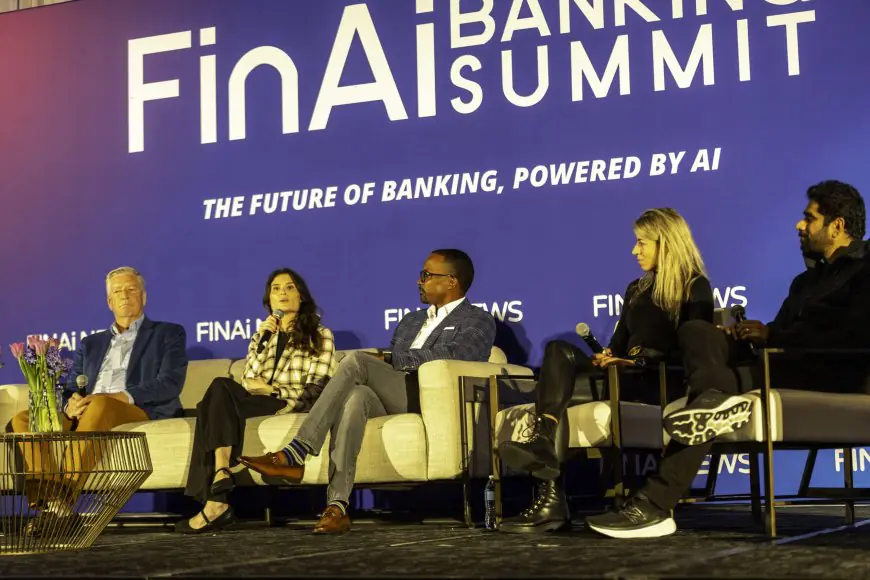
The question regulators are now putting to banks is a simple one: if an AI agent goes wrong inside your systems, can you stop it? According to a Reuters report citing six people familiar with the matter, banking watchdogs in the US and Europe are stepping up scrutiny of how financial institutions use advanced AI.


It is worth being clear about the stage this is at: regulators are asking questions and gathering information, and no major AI-caused banking failure has happened.
In the United States, the Federal Reserve, the Office of the Comptroller of the Currency and the FDIC are questioning banks of different sizes. Their inquiries reportedly cover several areas:
- Whether banks use AI agents in cyber defense and how those systems are controlled
- Whether decisions made by autonomous systems can be monitored and audited, and whether banks can rein them in or switch them off
- Whether they rely on Chinese-developed AI models, and what protects against agents exceeding their authority
Europe's focus is recovery. The ECB has given lenders until the end of October to produce plans against AI-enabled cyber threats and is asking them to map where AI is used, including by third-party suppliers, so systems can be stopped and restarted in a controlled way.
UK supervisors are urging the largest banks to examine recovery systems kept entirely separate from their main technology. The pressure partly reflects a gap in existing rules: PYMNTS notes that federal model-risk guidance updated in April did not cover generative and agentic AI.
One executive at a large European bank told Reuters they feared serious damage to banking and markets "within six months," a personal view from an unnamed source rather than a regulatory forecast. For customers, the practical stakes are the ordinary ones, such as payments clearing, accounts staying accessible and fraud being caught, and regulators are trying to make sure banks can protect all three before an autonomous system ever tests them.