



































Elon Musk Is Weaponizing Demonetization Against AI War Fakes
Elon Musk’s X has introduced a high-stakes policy change to combat the flood of AI-generated misinformation surrounding the Iran conflict. By stripping revenue from creators who post undisclosed synthetic war footage, the platform is attempting to solve a crisis that has already seen fake combat videos reach hundreds of millions of views.
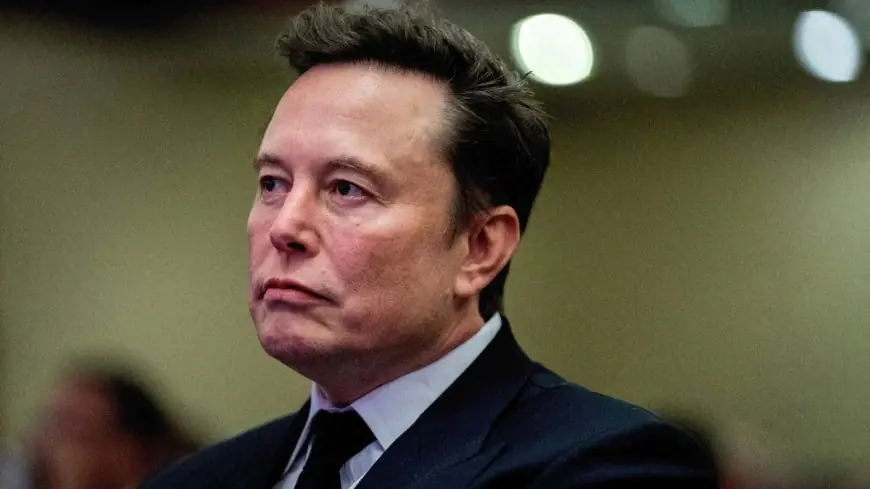


As the conflict in West Asia escalates into what many are calling the world’s first truly "AI-weaponized" information war, the digital front line has just shifted. In a sudden policy pivot, X (formerly Twitter) has officially declared war on creators who use generative AI to fabricate or manipulate footage of the Iran conflict. This isn't just a slap on the wrist; the platform is hitting bad actors where it hurts most: their wallets.
The announcement, made on March 3 by X’s Head of Product, Nikita Bier, introduces a strict new enforcement framework designed to protect the "authenticity of information" during global crises. Under the new rules, any creator who posts an AI-generated video of an armed conflict without a clear disclosure will be suspended from the Creator Revenue Sharing program for 90 days. A second offense will lead to a permanent ban from monetization.
The Rise of Synthetic Combat Footage
The move comes after a week of unprecedented digital chaos. Social media feeds have been inundated with hyper-realistic, yet entirely fabricated, scenes of battle. In one particularly viral instance, a video appearing to show Iranian rockets pursuing and shooting down a U.S. jet was viewed more than 70 million times before being flagged. Other creators have been caught using AI to enlarge fireballs in real missile strike footage or passing off high-definition clips from video game flight simulators as real-time military operations.
The problem is systemic. Because X’s monetization model rewards engagement, creators have a massive financial incentive to post the most shocking, visually arresting content possible. During a fast-moving war, AI is the easiest way to "manufacture" that shock value. As Bier noted, "With today's AI technologies, it is trivial to create content that can mislead people." By cutting off the revenue stream for these "engagement farmers," X hopes to starve the misinformation ecosystem of its primary fuel.
According to The Guardian, the sheer volume of this fake content has become a primary concern for international intelligence agencies, who worry that synthetic media could inadvertently trigger real-world military escalations based on false reports of attacks.
Detection and the "Community Notes" Defense
Enforcing these rules on a platform that sees millions of posts per hour is a monumental technical challenge. X plans to utilize a three-pronged approach to identify rule-breakers:
- Metadata Analysis: Scanning media files for the "digital fingerprints" left behind by generative AI tools like OpenAI’s Sora or Google’s Veo.
- AI Detection Signals: Using internal algorithms to spot common AI artifacts, such as warped limbs or inconsistent lighting patterns.
- Community Notes: Leveraging the platform’s crowdsourced fact-checking feature to provide a human layer of verification that algorithms often miss.
The integration of Community Notes is particularly crucial. As reported by Social Media Today, once a post is flagged by a Note as being AI-generated, the platform’s systems can automatically trigger the 90-day demonetization penalty. This places a significant amount of power—and responsibility—into the hands of the platform's user base.
A Selective Crackdown?
While the new policy has been praised by many as a necessary step for digital safety, critics point out a glaring inconsistency. The current crackdown is strictly limited to "war-related" AI content. AI-generated misinformation in other spheres—such as political deepfakes, "undressing" apps, or deceptive influencer content—is not currently covered by the same revenue-sharing penalties.
This has led some to question whether the move is a genuine effort to clean up the platform or a reactive measure to appease global regulators who have been threatening X with massive fines over its role in spreading war-time propaganda. Regardless of the motivation, the precedent has been set: on the 2026 internet, "freedom of speech" no longer guarantees "freedom of reach" or "freedom of revenue" for those using AI to cloud the reality of the battlefield.
As we move deeper into this conflict, the battle for the truth is being fought one pixel at a time. X’s decision to weaponize demonetization marks the beginning of a new era of platform governance—one where the machine-generated lie finally has a price tag.