





























White House Cancels Crucial AI Model-Sharing Executive Order at the Eleventh Hour
The White House unexpectedly halted a planned executive order that would have required AI companies to share advanced models with U.S. national security agencies before public release. The decision has triggered fresh debate over AI regulation, cybersecurity risks, government oversight, and the future relationship between Washington and major technology firms.
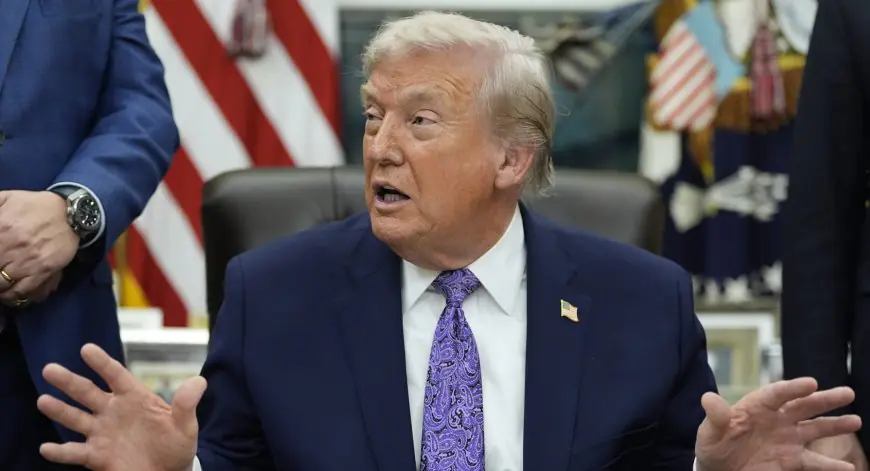


White House Pulls Back From High Stakes AI Security Plan
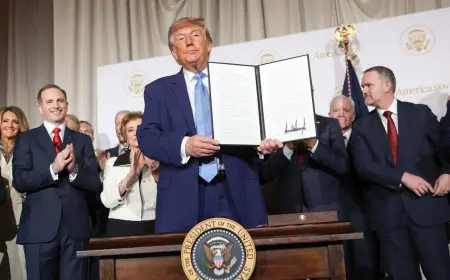
In a dramatic last-minute reversal, the White House abruptly canceled a planned signing ceremony for a major executive order focused on artificial intelligence cybersecurity and national security oversight. The proposed order would have established a formal process requiring leading technology companies to share advanced AI models with government agencies for threat-testing before public deployment.
President Donald Trump reportedly informed reporters that he “didn’t like aspects of it,” a statement that immediately fueled speculation across Washington and Silicon Valley. The canceled measure was expected to involve agencies such as the NSA and CIA in evaluating powerful AI systems for potential cybersecurity threats, misinformation risks, and national security vulnerabilities before those systems reached consumers or enterprise markets.
Why The Proposed AI Order Drew Massive Attention
The executive order had already become one of the most closely watched AI policy developments of the year because it signaled a much more aggressive federal approach toward regulating frontier artificial intelligence systems. Under the framework, major AI developers would likely have been required to provide government access to advanced models for safety evaluations and red-team testing.
Supporters argued that the policy could help prevent dangerous AI deployments capable of enabling cyberattacks, biological threat research, or large-scale misinformation campaigns. Critics, however, warned that mandatory model-sharing could expose proprietary technology, weaken competitive advantages, and create significant privacy and security concerns for AI firms operating in the United States.
The debate reflects a broader global struggle over how governments should manage increasingly powerful AI systems. Regulators in both the United States and Europe have been exploring stricter oversight mechanisms as generative AI capabilities continue to evolve at extraordinary speed. Organizations like NIST have already published AI risk management guidance aimed at improving safety and accountability standards across the industry.
Tech Companies Face Growing Pressure From Washington
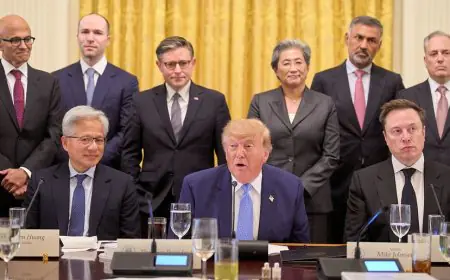
The sudden cancellation also highlights the increasingly complicated relationship between the federal government and major AI companies. While Washington wants stronger safeguards around advanced AI development, many technology firms remain cautious about allowing intelligence agencies direct access to proprietary models and training systems.
Several industry executives have privately expressed concern that broad government access requirements could discourage innovation or push sensitive AI research into more secretive environments. Others worry that mandatory disclosures could eventually create legal or geopolitical complications, particularly as global competition between the United States and China intensifies around artificial intelligence infrastructure and defense applications.
At the same time, cybersecurity experts continue to warn that frontier AI systems may eventually become powerful enough to automate sophisticated cyberattacks, generate highly convincing disinformation campaigns, or accelerate digital espionage operations. Agencies including the Cybersecurity and Infrastructure Security Agency have increasingly emphasized the importance of responsible AI deployment and infrastructure resilience.
What The Cancellation Could Mean For AI Regulation
The White House decision does not necessarily mean AI regulation efforts are slowing down. Instead, analysts believe the administration may now pursue a revised framework that balances national security concerns with industry resistance. Future proposals could focus more heavily on voluntary cooperation agreements, independent auditing systems, or targeted reporting requirements rather than direct government access to models.
For investors and technology leaders, the canceled executive order serves as another reminder that AI policy remains highly unpredictable. Regulatory uncertainty is rapidly becoming one of the defining forces shaping the artificial intelligence industry alongside computing power, semiconductor supply chains, and enterprise adoption.
As governments worldwide race to establish rules for advanced AI systems, the White House reversal may ultimately become a defining moment in the broader debate over how much control governments should have over the future of artificial intelligence. The outcome of that debate could influence not only national security policy, but also the pace of AI innovation for years to come.