GStar Summit 2026 Is Putting Humanity At The Center Of AI Innovation
Global AI leaders gathered in Ho Chi Minh City for GStar Summit 2026 to explore how artificial intelligence can better serve humanity. Experts from leading research institutions and technology companies discussed trust, responsible innovation, and the growing role of AI across healthcare, education, finance, and other critical sectors.
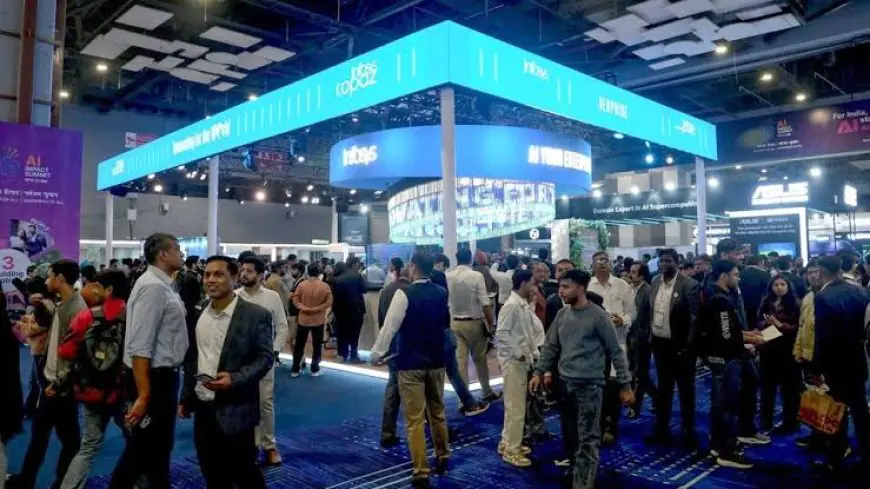


Global AI Leaders Gather To Discuss The Future Of Human Centered AI
As artificial intelligence continues to reshape industries and societies around the world, one question is becoming increasingly important: how can AI serve humanity rather than simply advance technology for its own sake? That question was at the heart of discussions during GStar Summit 2026, which brought together global experts, researchers, and technology leaders in Ho Chi Minh City on May 29 and 30.
The event attracted participants from some of the world's leading AI organizations, including experts connected to Google DeepMind and prominent research institutions. Rather than focusing exclusively on technical breakthroughs, the summit emphasized the relationship between artificial intelligence and society, highlighting the need for trustworthy, responsible, and human-centered innovation.
Why Trust Is Becoming The Most Valuable Asset In AI
Over the past two years, artificial intelligence has moved from experimental technology into everyday life. AI systems are now helping businesses automate operations, supporting doctors in medical research, assisting teachers with educational tools, and transforming how financial institutions analyze data. While these advances create enormous opportunities, they also raise important questions about transparency, accountability, and public trust.
Speakers at the summit repeatedly stressed that trust will determine the long-term success of AI adoption. Organizations developing advanced AI systems must not only deliver powerful technology but also demonstrate that these tools are safe, reliable, and aligned with human values. Without public confidence, even the most advanced innovations could struggle to achieve widespread acceptance.
AI Expands Across Critical Industries
A major focus of the event was the growing integration of artificial intelligence into essential sectors that directly impact people's lives. Healthcare, education, and finance were highlighted as areas where AI has the potential to create meaningful improvements while also requiring careful oversight.
Experts discussed how AI can help accelerate medical research, support personalized learning experiences, and improve financial decision-making. At the same time, they acknowledged the importance of protecting privacy, reducing bias, and ensuring that AI systems remain transparent when making recommendations or influencing important outcomes.
- Healthcare through faster diagnostics and medical research support
- Education with personalized and adaptive learning experiences
- Finance using advanced analytics and risk management tools
- Public services through greater efficiency and smarter decision-making
The consensus among participants was clear: AI's greatest value will come from solving real-world challenges rather than simply showcasing technological capabilities.
Humanity Remains At The Core Of Innovation
One of the most important themes emerging from the summit was the idea that artificial intelligence should augment human potential rather than replace it. Researchers emphasized that the future of AI depends on collaboration between technologists, policymakers, educators, businesses, and communities.
Many speakers argued that successful AI strategies must be designed around human needs from the beginning. This includes ensuring accessibility, promoting fairness, and creating systems that people can understand and trust. As AI becomes more deeply embedded in society, these considerations are expected to become even more important.
According to insights shared by the World Economic Forum, responsible AI development is increasingly viewed as a critical factor in maximizing the technology's economic and social benefits while minimizing unintended consequences.
What GStar Summit 2026 Signals For The Future Of AI
The conversations in Ho Chi Minh City reflect a broader shift taking place across the global AI landscape. While the race for more powerful models continues, industry leaders are increasingly recognizing that innovation alone is not enough. Building systems that people trust may ultimately prove just as important as improving technical performance.
GStar Summit 2026 highlighted a growing consensus that the future of artificial intelligence must be measured not only by what the technology can do, but by how effectively it improves lives. As AI adoption accelerates worldwide, the focus on humanity, ethics, and trust is likely to become a defining theme of the next chapter in artificial intelligence development.