

































AI-Generated Nude Images of Teens Spark Legal Action and Calls for Reform
Recent incidents of AI-generated nude images of minors have led to arrests and legal challenges, prompting calls for stricter regulations and improved digital safety measures in schools.
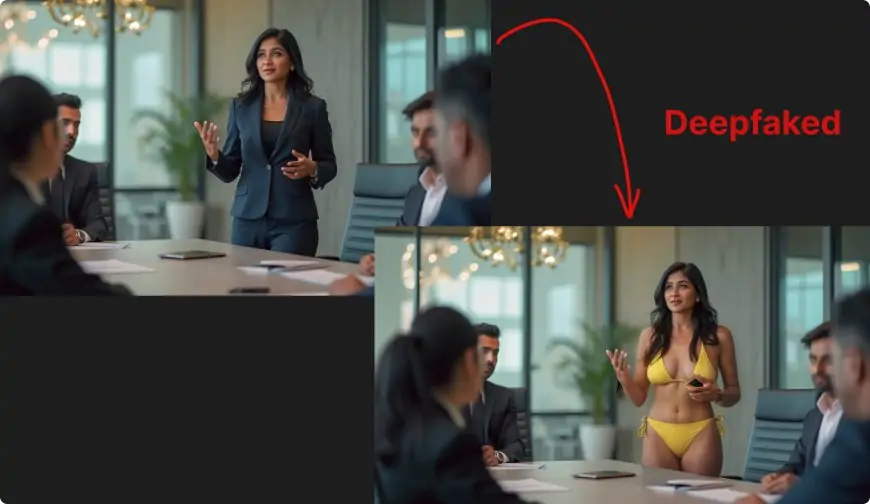
In a disturbing trend that has gained prominence throughout 2024, the misuse of artificial intelligence to create non-consensual nude images of minors has become a pressing concern for schools, parents, and lawmakers alike. The issue came to a head in December when multiple cases across the United States highlighted the urgent need for action against this form of digital exploitation.


A significant case in Miami led to the arrest of two teenage boys or creating and sharing AI-generated nude images of their classmates without consent. The victims, reported to be between 12 and 13 years old, found themselves at the center of a legal case that may set precedents for how such incidents are handled in the future.
The Florida case is particularly significant as it appears to be the first instance where arrests and criminal charges have been made in relation to AI-generated nude images. The boys were charged with third-degree felonies under a state law passed in 2022, which criminalizes the sharing of "any altered sexual depiction" without the subject's consent.
This incident is not isolated. Throughout the year, similar cases have been reported in various states, including Washington, New Jersey, and California. However, the legal response has been inconsistent, with some cases resulting in school suspensions while others saw no charges filed.
The proliferation of so-called "nudify" websites and apps has exacerbated the problem. These platforms, which use AI to create realistic nude images from clothed photos, have become alarmingly accessible. In October 2024, it was reported that over 100 such websites exist, with some receiving millions of visits per month.
Legal experts and child protection advocates are calling for urgent legislative action to address the gaps in current laws. Yiota Souras, a legal expert interviewed by CBS News, pointed out that while AI nudes of minors depicting "sexually explicit conduct" are illegal under federal child pornography laws, there remains a concerning legal gray area for images that may not meet this specific definition.
The impact on victims has been profound. Francesca Mani, a teenager whose story gained national attention after her photo was manipulated without her consent, has become an advocate for change. Along with her mother, Mani has been working with members of Congress to push for federal bills that would provide better protection against such digital violations.
Schools are also grappling with how to respond to these incidents. Many are implementing new policies around AI use and digital citizenship, while also struggling with the challenge of balancing discipline with education in cases involving juvenile offenders.
As we move into 2025, the legal and ethical landscape surrounding AI-generated imagery continues to evolve. The incidents of 2024 have made it clear that comprehensive legislation, improved digital literacy education, and enhanced online safety measures are urgently needed to protect minors from this emerging form of exploitation.
The coming year will likely see increased debate and potentially new laws aimed at curbing the misuse of AI technology, particularly when it comes to the creation and distribution of non-consensual intimate images. As AI capabilities continue to advance, society must work quickly to establish ethical guidelines and legal frameworks to safeguard the most vulnerable from digital harm.