




































SAP and ANYbotics are scaling physical AI across global manufacturing
The era of AI is stepping out of the browser and onto the factory floor. Through a landmark expansion of their partnership, SAP and ANYbotics are integrating autonomous "physical AI" into industrial workflows. By treating quadruped robots as native field technicians, the collaboration aims to transform hazardous inspections into real-time business intelligence for the world's largest enterprises.


For the past few years, the narrative around artificial intelligence has been dominated by digital brains—chatbots and large language models that live behind screens. But in 2026, the industry is witnessing a shift toward "Physical AI," where intelligence is finally gaining legs. Leading this charge is a major strategic expansion between enterprise software giant SAP and Swiss robotics pioneer ANYbotics. Together, they are proving that the next frontier of industrial efficiency isn't just about smarter data, but about the robots that go out and collect it.
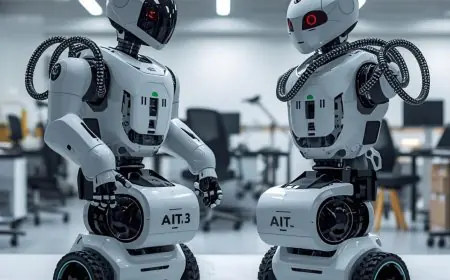
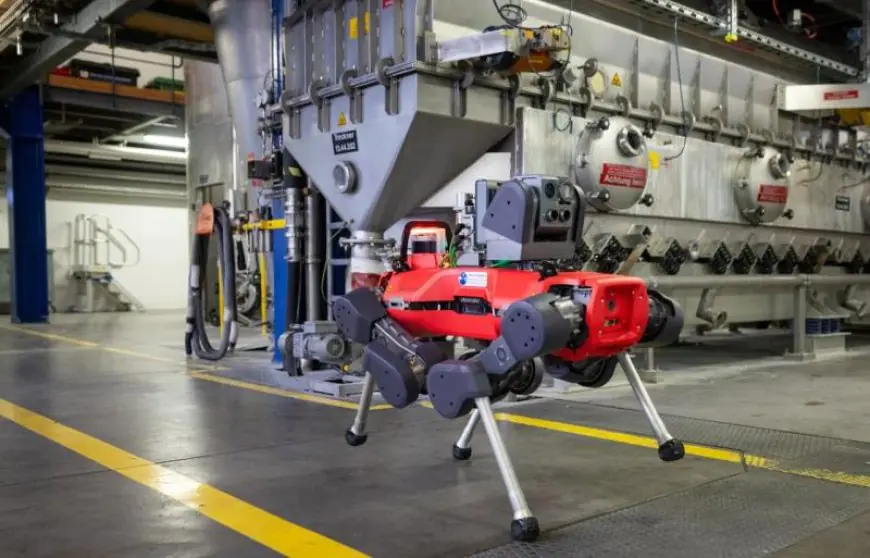
The collaboration centers on "Project Embodied AI," an SAP initiative designed to bridge the gap between digital business processes and physical hardware. At the heart of this project is ANYmal, a four-legged autonomous robot designed to navigate the "big, dirty, and dangerous" environments of heavy industry. Unlike the static sensors of the past, these robots move through complex terrains—climbing stairs, avoiding obstacles, and patrolling hazardous zones—to provide a level of oversight that was previously impossible for human workers to maintain safely.
Robots as Native Field Technicians
What makes this partnership a game-changer for the enterprise sector is how the technology is integrated. Rather than being treated as a separate, experimental tool, the ANYmal robot is now being deployed as a "native field technician" within the SAP ecosystem. Through SAP Field Service Management, dispatchers can now assign work orders directly to a robot just as they would to a human employee.
When an ANYmal robot completes an inspection at a chemical plant or an offshore wind farm, it doesn't just record a video. It captures multi-modal data—including thermal imaging, acoustic anomaly detection, and ultrasonic leak sensing—and feeds that information directly into SAP’s system of record. This creates a "closed-loop" system where the robot identifies a problem, logs the data, and triggers a maintenance request within the SAP Business Technology Platform without any manual intervention. This level of native integration is what separates 2026's industrial AI from the pilot programs of the past.
Solving the Industrial Labor Gap
The push for physical AI isn't just about cutting-edge tech; it's a response to a critical economic reality. Global manufacturing and energy sectors are facing a dual crisis of aging workforces and acute labor shortages. Many of the most vital inspection tasks are located in explosive-prone "Ex-zones" or remote environments where human presence is a significant liability.
By deploying over 200 ANYmal robots in active production worldwide, ANYbotics is helping firms like Petronas and Shell maintain institutional knowledge. When a veteran inspector retires, their expertise in spotting a failing valve or a hissing pipe can be captured by the AI’s training models. This ensures that the "inspection intelligence" remains a permanent part of the company's digital DNA, regardless of workforce turnover. The robots essentially act as a force multiplier, allowing human staff to focus on high-level decision-making while the machines handle the high-risk, repetitive monitoring.
The Future of the Robotic Coworker
As we look toward the remainder of 2026, the success of the SAP and ANYbotics integration serves as a blueprint for "Agentic Industrial AI." We are moving toward a world where the robot isn't just a tool, but an autonomous agent capable of making real-time adjustments based on the business context provided by SAP. If a robot detects a gas leak, it can check the asset history in SAP to see if a similar part failed recently and adjust its inspection route accordingly.
Key highlights of this industrial shift include:
- Safety First: Removing humans from explosive or toxic environments while maintaining 24/7 oversight.
- Data Precision: Capturing ultrasonic and thermal data that the human ear and eye often miss.
- Seamless ROI: Using existing SAP workflows to manage robots reduces the need for expensive new software layers.
The message from the industrial sector is clear: the most valuable AI of the future won't just be able to write an email; it will be able to walk into a refinery, find a problem, and fix it. With SAP and ANYbotics leading the way, the "physical" in physical AI is officially open for business.