





































AI powered ECG diagnostics won the inaugural ACC Global Digital Health Award
The American College of Cardiology has recognized a breakthrough AI-driven ECG diagnostic platform with its first-ever Global Digital Health Award. This milestone highlights a massive shift in cardiology, where machine learning is now outperforming traditional screening methods in early disease detection and patient triaging.

The field of cardiology has reached a definitive turning point. In a move that signals the full-scale integration of artificial intelligence into clinical practice, the American College of Cardiology (ACC) recently presented its inaugural Global Digital Health Award to a pioneering AI-driven ECG diagnostic platform. This recognition is more than just a trophy; it serves as a formal endorsement from the medical establishment that AI is no longer a futuristic concept, but a vital tool for saving lives in 2026.
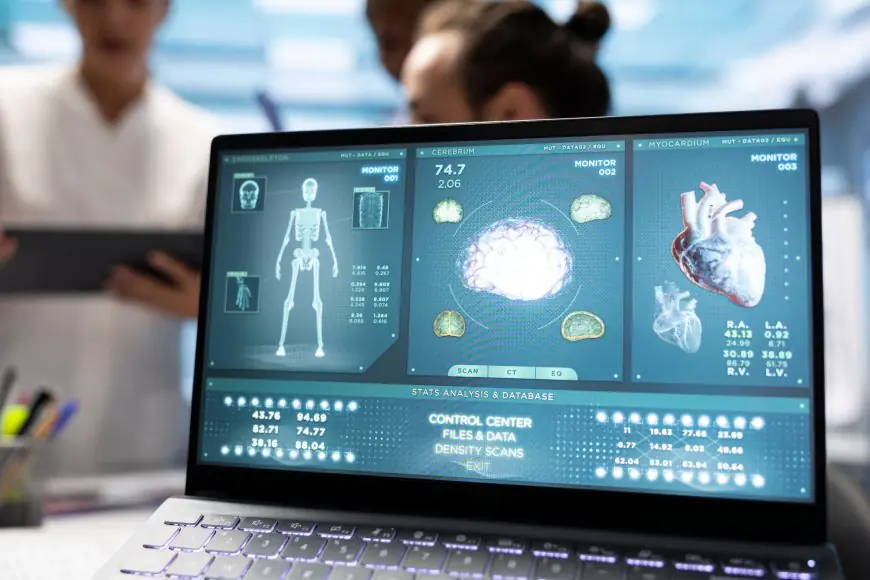
For decades, the standard electrocardiogram (ECG) has been the bedrock of heart health monitoring. However, even the most experienced cardiologists can sometimes miss the subtle, microscopic patterns that precede a major cardiac event. The award-winning platform, developed by Medical AI, uses deep-learning algorithms to analyze heart signals with a level of granularity that the human eye simply cannot match. By identifying "silent" markers of heart failure and asymptomatic arrhythmias, the technology is moving the needle from reactive treatment to proactive prevention.
The Science Behind the Breakthrough
What sets this specific diagnostic platform apart is its ability to process millions of data points across diverse patient populations. Unlike traditional software that relies on rigid, rule-based logic, this AI model has been trained on one of the world's largest repositories of cardiac data. It doesn't just look for an irregular beat; it understands the context of that beat relative to a patient's historical data and demographic risk factors.
According to clinical trial data presented at the American College of Cardiology annual sessions, the platform demonstrated a 35% improvement in identifying early-stage cardiomyopathy compared to standard diagnostic protocols. This jump in accuracy is precisely why the ACC chose this moment to launch a dedicated digital health award. The medical community is acknowledging that to solve the growing crisis of cardiovascular disease, we need the processing power of machines to augment human expertise.
Solving the Physician Burnout Crisis
Beyond the impressive diagnostic stats, the win highlights a secondary but equally important benefit: the reduction of administrative and cognitive load on healthcare workers. We are currently facing a global shortage of specialized cardiologists, and the "white noise" of false-positive alerts often leads to alarm fatigue and burnout.
The Medical AI platform addresses this by acting as an intelligent triaging system. It prioritizes high-risk cases for immediate physician review while providing automated, high-confidence reports for routine screenings. This allows doctors to spend more time with patients who are in critical need and less time squinting at paper strips. As reported in recent Healthcare IT News analysis, AI tools that focus on "workflow optimization" are seeing the highest rates of adoption in 2026 because they offer a direct solution to the staffing crisis.
The Road to Universal Screening
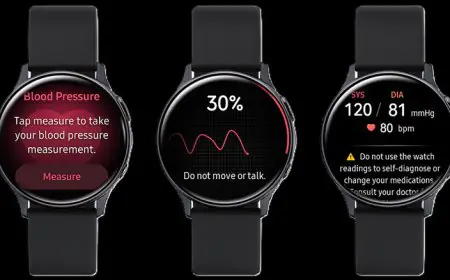
The implications of this award extend far beyond the walls of prestigious hospitals. Because this AI-driven ECG technology can be integrated into wearable devices and portable tablets, it opens the door for universal cardiac screening in underserved and rural areas. A primary care physician in a remote clinic can now access the same diagnostic "brain" as a specialist at a top-tier university hospital.
The judges for the ACC award emphasized several key factors that led to this historic win:
- Clinical Reliability: The AI consistently matched or exceeded the performance of board-certified cardiologists in complex rhythm interpretation.
- Interoperability: The platform integrates seamlessly with existing Electronic Health Records (EHR), preventing data silos.
- Ethical Transparency: The developers provided a "clear box" approach, allowing doctors to see which specific data points the AI used to reach its conclusion.
Looking Toward a Proactive Future
Medical AI’s platform serves as a blueprint for other medical specialties. The era of waiting for a patient to show symptoms before running a test is ending. With AI-driven diagnostics, the test is always running, the data is always being analyzed, and the "early warning" is delivered before the crisis occurs.
The heart, with all its electrical complexity, has found a new guardian in artificial intelligence. For patients worldwide, this means a future where heart disease is no longer a hidden threat, but a manageable—and detectable—condition.