










Apple HomePad and Alexa Plus are fighting for your living room
The smart speaker era has evolved into a battle of high-level intelligence. We compare the new LLM-powered Alexa Plus against Apple’s long-rumored HomePad to see which AI giant deserves to be the brain of your home in 2026.
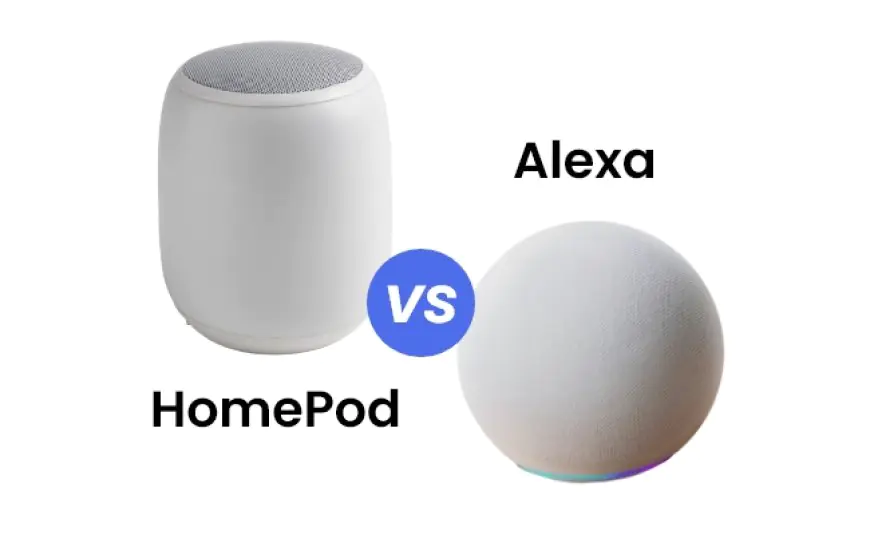


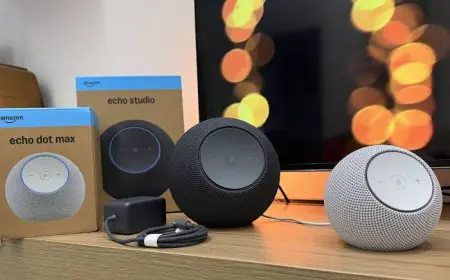
For nearly a decade, the smart speakers in our homes were little more than glorified kitchen timers. We tolerated their robotic voices and their frequent "I don't know that one" responses because they were convenient enough for the basics. But as we move through 2026, the landscape has shifted fundamentally. We are no longer talking about smart speakers; we are talking about ambient AI brains. The heavyweight title fight of the year is officially between Amazon’s subscription-grade Alexa Plus and the sleek, display-centric Apple HomePad.
The Conversational Power of Alexa Plus
Amazon took the first major swing in this cycle by gutting the old Alexa architecture and replacing it with a massive Large Language Model (LLM). The result is Alexa Plus, a service that finally understands the messy, non-linear way humans actually speak. Unlike the older versions that required precise "if-then" commands, Alexa Plus can handle complex reasoning. If you tell the device you are feeling tired and cold, it doesn't just give you a definition of fatigue; it dims the lights, raises the thermostat, and asks if you’d like your "Energize" playlist ready for the morning.
The real advantage for Amazon remains its massive head start in device interoperability. Alexa Plus works with almost every smart plug, bulb, and toaster on the market. According to recent reports on smart home trends, Amazon’s move to a subscription-based AI model has allowed them to invest heavily in "proactive" features. This means the device can anticipate your needs—like ordering more laundry detergent before you even realize you’re low—based on your household patterns and sensor data.
Apple HomePad and the Rise of Siri Pro
Apple, true to form, waited until they could perfect the integration of hardware and "Apple Intelligence." The HomePad is the rumored hybrid we have been waiting for: a high-end speaker with a detachable or integrated 7-inch touch interface. It is the physical manifestation of what many are calling Siri Pro. While Amazon focuses on sheer utility and shopping, Apple is betting on the "luxury of privacy" and deep ecosystem synergy.
The HomePad leverages the A18X chip to process almost all AI requests locally. This is a massive selling point for users who are weary of their voice data sitting on a cloud server. When you use the HomePad to manage your home, the speed is staggering because the "thinking" happens inside the device. It also serves as a beautiful digital hub, displaying high-resolution family photos, security summaries, and a unified dashboard for every HomeKit-enabled device in your residence. The screen isn't just an extra; it is the primary way you interact with the AI’s visual interpretations of your world.
The Battle of Context and Ecosystems
When you put these two titans side-by-side, the choice comes down to your personal digital philosophy. Alexa Plus is the better "butler." It is more aggressive in its helpfulness, better at managing a chaotic mix of third-party gadgets, and superior at handling complex shopping tasks. However, it often feels like a service you are renting.
The Apple HomePad feels like a piece of furniture that happens to be a genius. It is designed for the person who wants their tech to be invisible until it is needed. The way it hands off music to your iPhone or displays a crisp FaceTime call when you walk into the kitchen is a level of polish Amazon still struggles to match. As noted in the latest tech industry insights, the market is splitting between those who want maximum utility (Amazon) and those who want seamless, private integration (Apple).
Which One Should You Buy?
If your home is a patchwork of different brands—Hue lights, Ring cameras, and a Nest thermostat—Alexa Plus is the glue that will hold it all together with superior conversational logic. It is the choice for the power user who wants to automate every second of their day.
However, if you are already carrying an iPhone and wearing an Apple Watch, the HomePad is the missing piece of your puzzle. It doesn't just control your home; it understands your life through the lens of your existing apps and data. In 2026, the winner isn't the device that talks the loudest, but the one that understands you the best without you having to say a word. The Apple HomePad and Alexa Plus are both incredible leaps forward, but only one will fit the specific rhythm of your daily life.