





























Why the Elon Musk SpaceX and xAI Merger is a Trillion Dollar Game Changer
Elon Musk has officially consolidated his aerospace and artificial intelligence empires, merging SpaceX with xAI in a historic $1.25 trillion deal aimed at launching solar-powered orbital data centers.


A New Titan of Industry and Orbit
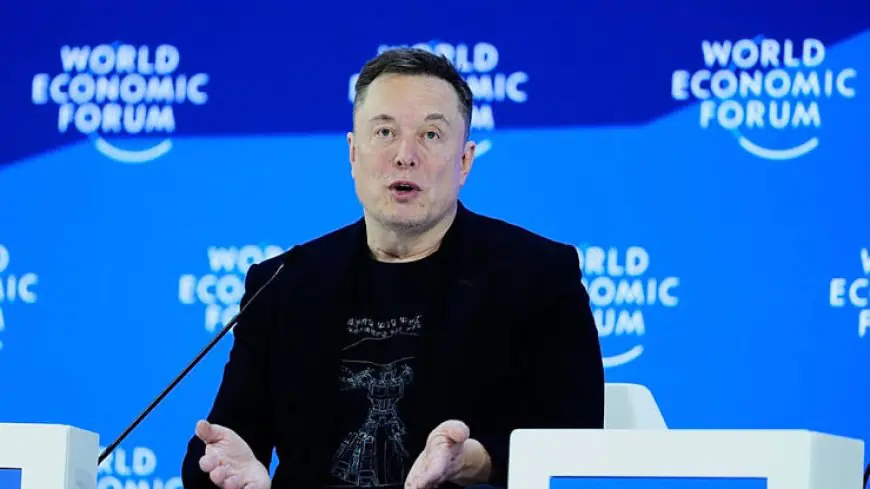
On February 2, 2026, the tech world witnessed a seismic shift as Elon Musk announced the official merger of his aerospace juggernaut, SpaceX, with his artificial intelligence startup, xAI. In a blog post that sent markets into a frenzy, Musk described the newly combined entity as the "most ambitious, vertically-integrated innovation engine on and off Earth." Valued at a staggering $1.25 trillion, the deal effectively brings the Grok chatbot, the social platform X, and the world’s most advanced rocket systems under a single corporate roof.
This isn't just a financial consolidation; it is a strategic bet on the future of computing. By merging these two powerhouses, Musk intends to solve the single greatest bottleneck facing modern artificial intelligence: the massive energy and cooling demands of terrestrial data centers. The vision is as bold as it is characteristic of Musk—moving the brain of the world's AI into the vacuum of space.
The Rise of Orbital Data Centers
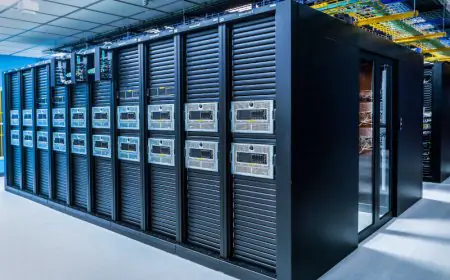
The core rationale behind this merger is the creation of a "Space AI Strategic Core." According to the announcement, the combined company plans to deploy a constellation of up to one million solar-powered satellites designed specifically for high-bandwidth AI compute. These are not just communication satellites like the current Starlink models; they are floating servers that will harness near-constant sunlight to process the massive datasets required for next-generation AI training.
Musk predicts that within two to three years, space-based compute will become the lowest-cost way to generate AI processing power. "Global electricity demand for AI simply cannot be met with terrestrial solutions without imposing hardship on communities and the environment," the announcement stated. In the cold vacuum of orbit, heat dissipation—a multi-billion dollar problem on Earth—becomes a managed variable, while solar energy remains an untapped, infinite resource.
Vertical Integration from Ground to Deep Space
The synergy between the two companies is multifaceted. SpaceX provides the "heavy lifting" via the Starship rocket, which is expected to begin hourly launches to deliver the massive tonnage of compute hardware into orbit. Meanwhile, xAI provides the cognitive architecture that will manage these constellations autonomously. This integration allows for:
- Direct Data Streams: Grok will have real-time access to the massive telemetry and imaging data generated by the Starlink and Starshield networks.
- Autonomous Space Flight: Integrating advanced AI into SpaceX’s navigation systems will accelerate the development of fully autonomous Mars missions.
- Infrastructure Efficiency: By sharing engineering talent and hardware resources, the company can bypass the "corporate silos" that typically slow down multi-disciplinary tech giants.
According to reports from The Guardian, the move is also a strategic setup for a highly anticipated SpaceX IPO later in 2026. By absorbing the high-growth xAI and its associated properties, SpaceX transforms from a capital-intensive launch provider into a high-margin AI infrastructure utility, significantly increasing its appeal to public market investors.
Market and Geopolitical Implications
The consolidation has already triggered discussions about a "Space-AI Monopoly." Competitors like Blue Origin and OpenAI are now facing a rival that controls both the intelligence and the means of transport. Furthermore, because SpaceX holds significant government and defense contracts through its Starshield unit, the integration of xAI’s "free speech" models into military-grade infrastructure is likely to face intense regulatory scrutiny in the coming months.
Industry analysts at Anadolu suggest that this merger represents the first time a private entity has gained the potential to control the entire pipeline of human intelligence—from the data centers in the sky to the social platforms on our phones. As Musk prepares to take this trillion-dollar powerhouse public, the world is watching to see if the gamble on orbital intelligence will truly "extend the light of consciousness to the stars."
Conclusion
The SpaceX-xAI merger marks the end of the era where space exploration and artificial intelligence were viewed as separate frontiers. In Musk's 2026 vision, they are one and the same. Whether it is a "sentient sun" or just a highly efficient way to run a chatbot, the 1.25 trillion dollar merger has fundamentally redefined the limits of what a single technology company can achieve. For the rest of the industry, the race is no longer just on Earth—it is a race for the high ground of orbit.