






























Pennsylvania’s Bold Bet: Shapiro Proposes Landmark AI Guardrails and Age Verification
Governor Josh Shapiro’s 2026–27 budget proposal introduces a comprehensive suite of AI regulations, including mandatory age verification for chatbots and a $100 million "Federal Response Fund" to shield Pennsylvania's tech sovereignty.


A "Human-First" Vision for the AI Era
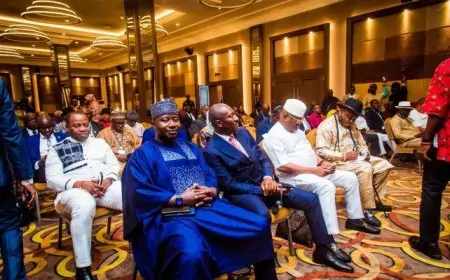
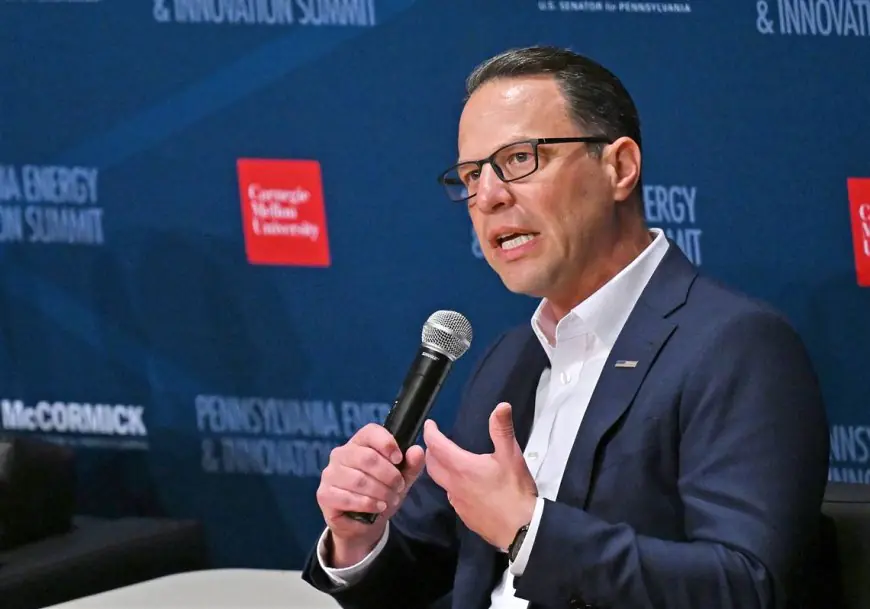
On February 3, 2026, Governor Josh Shapiro stood before a joint session of the General Assembly in Harrisburg to unveil a $53.3 billion budget that aims to make Pennsylvania the national leader in responsible innovation. Central to this vision is a groundbreaking regulatory framework for Artificial Intelligence. Shapiro’s proposal isn't just about funding; it’s a proactive attempt to define the "rules of the road" for a technology that is increasingly blurring the lines between synthetic and human interaction.
“We won't let our kids be used as lab rats for unregulated tech,” Shapiro declared during his address. The Governor's plan focuses on protecting the state’s most vulnerable—children and seniors—while doubling down on a $113 million innovation package to keep the Commonwealth competitive in the global AI race.
The New Guardrails: Age Verification and Transparency
The centerpiece of the proposal is a mandatory age verification requirement for AI chatbots and "companion bots." Citing data that 30% of teens now interact with AI daily, the Administration is targeting apps that provide harmful guidance or facilitate "synthetic intimacy."
Under the proposed safeguards, AI developers operating in Pennsylvania must:
Implement Proof of Age: Ensure children are not exposed to "adult" AI content or emotionally manipulative chatbots.
Mandate Transparency: Every AI interaction must include a clear disclosure that the user is speaking to a machine, not a human.
Safety Alerts: Platforms must automatically notify parents if a minor’s AI interactions indicate self-harm or violent intentions.
Ban Explicit Content: Stricter prohibitions on the creation or dissemination of sexually explicit or violent AI-generated content involving minors.
The $100 Million Shield: Defending State Sovereignty
In a move that highlights the growing tension between state and federal oversight, Shapiro proposed a $100 million Federal Response Fund. This "war chest" is specifically designed to protect Pennsylvania’s independent regulatory efforts from being nullified by the federal government’s recent "Winning the Race: America’s AI Action Plan."
The Trump administration has signaled its intent to preempt state-level AI laws to avoid a "patchwork" of regulations. However, Pennsylvania leaders argue that local oversight is essential for civil rights and public safety. "We cannot wait for a gridlocked Congress to protect our citizens," said State Senator Tracy Pennycuick. This fund would allow the Commonwealth to maintain its own AI safety offices and enforcement agencies even if federal grants are withheld.
Technical Standards: Watermarking and AgeKey
While the budget sets the policy, the technology to enforce it is already arriving. The Shapiro Administration is looking closely at the OpenAge Initiative’s "AgeKey", a privacy-preserving system that allows users to verify their age once and use a cryptographic "signal" across platforms without sharing their actual ID data.
Furthermore, the budget address revitalized discussions on digital watermarking. Building on last year’s House Bill 2660, the new proposal encourages standards where AI-generated media must contain a visible or metadata-embedded watermark. This is designed to combat the "trust crisis" caused by deepfakes, which Pennsylvania already criminalized for fraudulent use under Act 35 in late 2025.
Market and Political Reactions
The tech industry's reaction has been divided. While some developers welcome the clarity, trade groups like NetChoice have already hinted at potential First Amendment challenges, arguing that mandatory age verification can chill anonymous speech. Locally, however, the proposal has found a rare pocket of bipartisan support, particularly regarding the ban on cell phones in schools, which many educators see as a necessary step to manage the mental health impacts of an AI-saturated world.
As Shapiro gears up for a 2026 reelection bid, this budget serves as a high-stakes platform. It positions him as a "tech-realist" who embraces the $61 billion economic impact of the state’s life sciences and tech sectors while refusing to compromise on community safety.
Conclusion
Pennsylvania is no longer just observing the AI revolution; it is attempting to govern it. By combining aggressive innovation funding with strict safety mandates and a federal defense fund, Governor Shapiro is charting a course that other states are likely to follow. The "Keystone State" may very well become the blueprint for how a 21st-century government balances the infinite potential of AI with the fundamental need for human security.