














Rebooting Hollywood: How AI is Revolutionizing Video Generation in the Entertainment Industry
Hollywood is embracing AI video generation to create high-quality content efficiently. This article explores the impact of AI on filmmaking, collaborations with studios, and the future of entertainment.
Introduction
In a world where the boundaries of creativity are constantly being pushed, Hollywood is at the forefront of embracing a revolutionary technology that is changing the face of video generation: Artificial Intelligence (AI). The integration of AI in video creation has brought forth a new era of filmmaking, offering unparalleled opportunities for innovation and cost efficiency.

The Rise of AI Video Generators
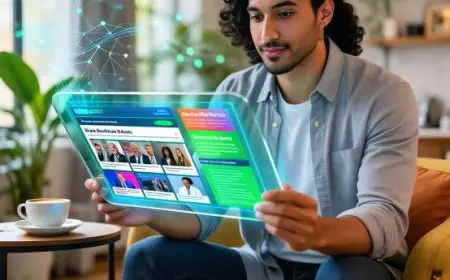
AI video generators have evolved significantly over the past few years, transforming from a futuristic concept to a readily accessible tool. Platforms like Google Veo 2, Open AI Sora, Runway, Synthesia, Kling AI and FlexClip have democratized video production, making it possible for anyone to create high-quality videos in a fraction of the time and cost.
Hollywood's Embrace of AI
Hollywood, known for its meticulous attention to detail and high production standards, is not shying away from the potential of AI. In fact, the industry is embracing this technology with open arms, recognizing its potential to augment and enhance the creative process.
- Partnerships and Collaborations: Companies like Runway are partnering with major Hollywood studios, such as Lionsgate, to create custom video models trained on extensive catalogs of films. This collaboration aims to leverage AI for cutting-edge content creation, capitalizing on the transformative potential of generative AI.
- TCL's AI-Generated Films: TCL, a TV manufacturer, has also ventured into the world of AI-generated films. Their approach emphasizes human involvement in all aspects of filmmaking, from scriptwriting to voice acting, while using AI for animation and special effects. This hybrid approach aims to differentiate TCL from established streaming services like Netflix and Hulu.
The Impact on Filmmaking
The integration of AI in filmmaking is not without its challenges. Concerns about AI replacing human creatives have sparked a heated debate in the industry. However, proponents argue that AI is meant to augment human creativity, not replace it. By focusing on specific tasks such as animation or special effects, AI can free up human resources for more complex and creative tasks.
- Continuity Errors: While AI-generated films may face criticism for continuity errors, experts point out that these issues are not unique to AI. Human-made films also suffer from similar errors, which can often be corrected more efficiently in the AI editing process.
- Human Touch: To address concerns about AI's role in filmmaking, companies are focusing on maintaining a human touch. For instance, TCL emphasizes the involvement of over 50 animators, editors, effects artists, and professional researchers in creating their AI-generated films. This approach ensures that stories are made by people but powered by AI.
The Future of Entertainment
As the entertainment industry continues to evolve, it is clear that AI will play an increasingly significant role. The potential for AI-generated content extends beyond films and TV shows, into the realm of digital ads and video games. This shift towards AI-driven media consumption is driven by the changing habits of viewers, who increasingly prefer content that is easily accessible and engaging.
AI is not a threat to the creative industry; it is a powerful tool that can enhance the storytelling process. By embracing this technology, Hollywood is poised to revolutionize the way we consume and create entertainment. As the boundaries between technology and art continue to blur, one thing is certain: the future of video generation in Hollywood is brighter than ever.