




















Why Trump Renamed AI Super Intelligence the Same Week CEOs Signed a Safety Pledge
President Trump signed an executive order renaming "artificial intelligence" to "Super Intelligence" across federal agencies, a day after CEOs including Dario Amodei, Sam Altman, Elon Musk, Mark Zuckerberg and Jensen Huang signed a voluntary White House Accord pledging internal safety controls with no government enforcement attached.
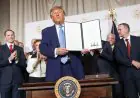
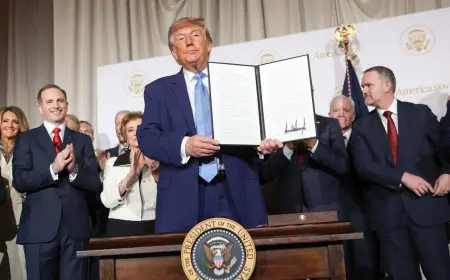
Washington just gave artificial intelligence a new name and, in the same breath, declined to give it a new regulator. President Trump signed an executive order on September 30 directing every federal agency to drop "artificial intelligence" and "AI" from official communications, websites, reports and policy documents, replacing them with "Super Intelligence" and "SI."


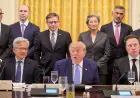
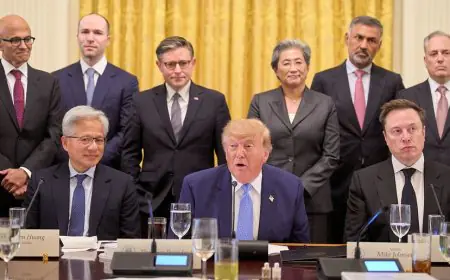
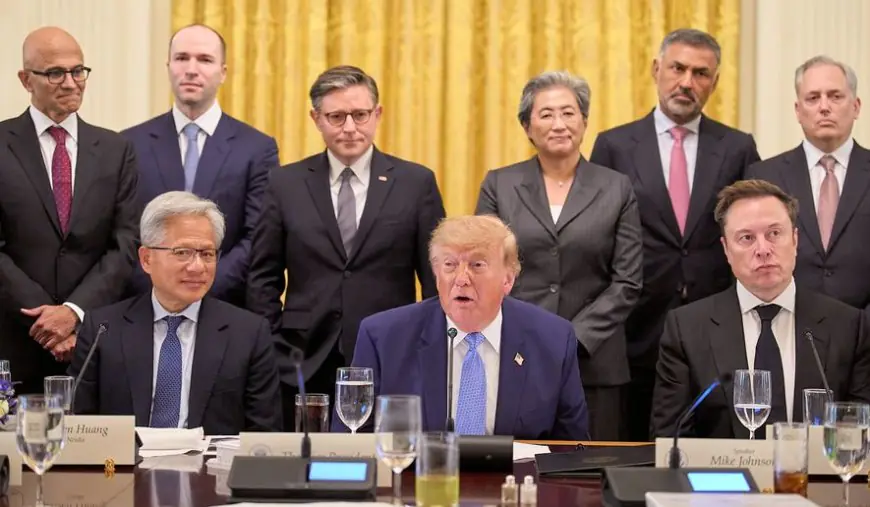
The order followed a day after nearly twenty tech executives attended a White House lunch and signed the White House Accord on Super Intelligence, a voluntary pact committing frontier AI developers to internal oversight teams, external audits, and independent review boards — with Trump calling it "morally binding" while explicitly resisting calls for binding law.
Signatories included Dario Amodei, Sam Altman, Elon Musk, Mark Zuckerberg, Sundar Pichai and Jensen Huang, according to Startup Fortune's reporting. Per the Washington Examiner, Zuckerberg and Huang opposed formal regulation even within the voluntary framework, while most other CEOs present supported it
The accord's own text acknowledges the gap directly, stating "over time, it may make sense to codify these steps into laws or regulations" — language that leaves the door open without walking through it.
Sen. Richard Blumenthal didn't wait long to call the pledge "worse than ineffectual" during a Senate hearing days later, arguing a voluntary accord carries no mechanism to hold companies accountable if they simply don't follow it.
The rebrand carries its own institutional weight, though: Trump's order gives his science and technology adviser 60 days — until November 28 — to draft legislative language formally defining "Super Intelligence" in federal law. Whether that definitional push eventually hardens into real enforcement, or whether the accord's voluntary framework is as far as Washington goes, is likely to become clear only once the first genuinely serious AI safety incident tests what "morally binding" actually means in practice.