





















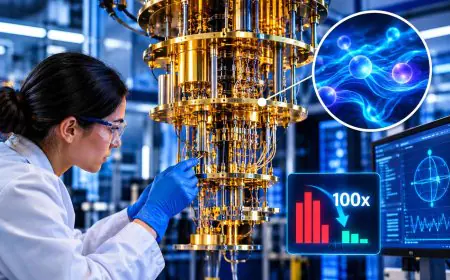



















Enterprise Shifts to Advanced Liquid Cooling Architectures to Slash Data Center Water Waste
As global AI infrastructure spending accelerates toward trillions of dollars, enterprise data center operators are rapidly adopting advanced liquid cooling systems to reduce water waste and support high-density AI workloads. The shift is emerging as a critical solution for balancing AI expansion with environmental sustainability.
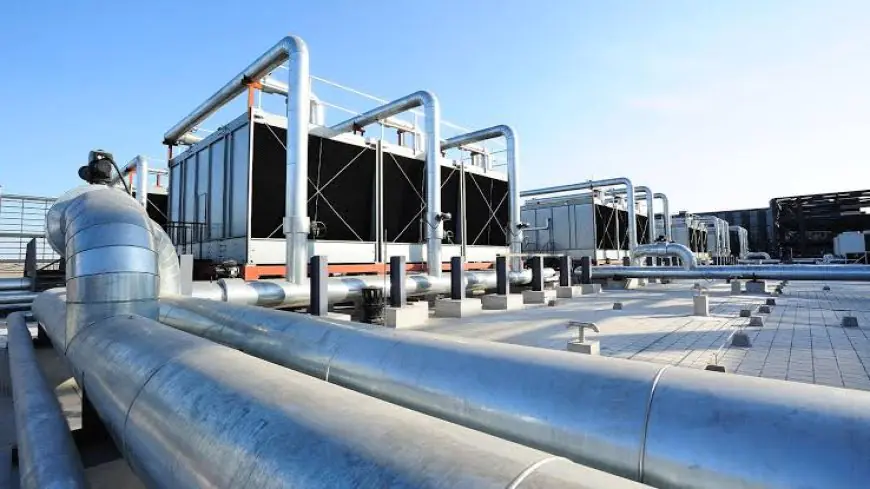


AI Infrastructure Growth Is Forcing A Cooling Revolution
The global artificial intelligence boom is reshaping nearly every corner of the technology industry, but one of the biggest transformations is happening behind the scenes inside massive data centers. As AI infrastructure spending races toward a projected $2.9 trillion by 2028, enterprise operators are facing mounting pressure to keep increasingly powerful AI systems cool without overwhelming local energy grids and water supplies.
That challenge is now accelerating a major transition away from traditional air-based cooling systems toward advanced liquid cooling architectures. In major technology hubs including Dallas and Paris, operators report that new liquid cooling deployments are already reducing annual utility water consumption by as much as 50%. The shift is quickly becoming one of the most important sustainability developments in modern enterprise infrastructure.
Why Traditional Cooling Systems Are Struggling
For years, conventional air chillers served as the standard cooling solution for cloud infrastructure and enterprise computing environments. However, generative AI workloads are dramatically more demanding than traditional applications. Training and running large AI models requires densely packed GPUs operating at extremely high temperatures for prolonged periods.
As AI clusters continue scaling, older cooling systems are increasingly struggling to maintain efficiency without consuming enormous amounts of electricity and water. In some regions, growing concerns about municipal water shortages have sparked public scrutiny around the environmental impact of hyperscale AI data centers.
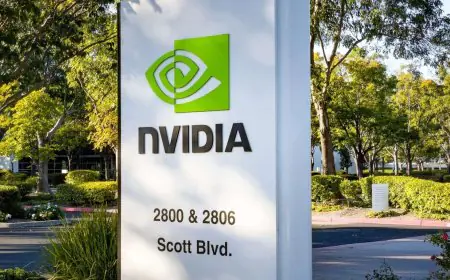
Liquid cooling systems address many of these concerns by transferring heat far more efficiently than air. Instead of relying heavily on large-scale chilled airflow, liquid cooling technologies circulate specialized fluids closer to high-performance processors, dramatically reducing thermal stress while lowering water and power demands. Companies such as NVIDIA have increasingly emphasized liquid cooling as a key component of next-generation AI infrastructure.
Enterprise Companies Are Prioritizing Sustainability
What makes this transition especially significant is that sustainability is no longer viewed as a secondary corporate objective. For enterprise technology leaders, environmental efficiency is becoming directly tied to operational scalability and long-term profitability.
Large enterprises investing billions into AI infrastructure now recognize that future expansion may depend on access to sustainable cooling technologies. In regions where governments are tightening environmental regulations or monitoring industrial water consumption more closely, liquid cooling could soon become a competitive necessity rather than an optional upgrade.
Several cloud providers and colocation operators are also using sustainability metrics to attract enterprise customers concerned about environmental impact. Organizations deploying AI at scale increasingly want infrastructure partners capable of supporting high-performance workloads without creating excessive carbon emissions or resource strain. Industry groups including ASHRAE have published updated guidance around thermal management standards for modern data center environments.
The Future Of AI Data Centers May Depend On Cooling Innovation
The rapid rise of liquid cooling highlights a broader reality about the AI economy. The future of artificial intelligence will not be shaped only by software breakthroughs or model capabilities. Physical infrastructure — including semiconductors, energy systems, networking capacity, and cooling technologies — is becoming equally important.
As AI adoption accelerates across finance, healthcare, manufacturing, defense, and cloud computing, the infrastructure supporting those systems must evolve just as quickly. Analysts increasingly believe cooling innovation could become one of the defining competitive advantages in the next phase of enterprise AI growth.
For data center operators, the message is becoming impossible to ignore. Companies that successfully balance AI performance with environmental sustainability may ultimately lead the next generation of digital infrastructure. And as enterprises continue scaling advanced AI workloads worldwide, liquid cooling is rapidly moving from a niche technology into the core foundation of the modern AI economy.