

































AI Is Moving From Chatbots Into Humanoid Robots and Physical Machines
Seeing Machines has unveiled a physical-AI platform aimed at next-generation humanoid robots, backed by a $280 million Series C funding round. The company's technology focuses on perception and decision-making for machines that interact with the real world, moving AI beyond chatbots into physical intelligence.
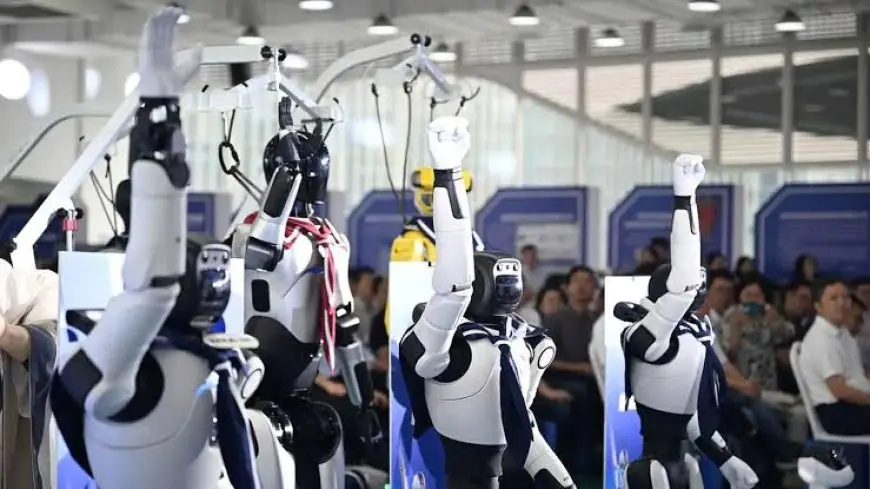
The artificial intelligence industry is undergoing a significant shift, moving beyond chatbots and digital assistants into physical machines capable of interacting with the real world.

This emerging field, often called physical AI or embodied AI, aims to give robots, vehicles, and other machines advanced perception, movement, and decision-making capabilities.
Leading this transition is Seeing Machines, which recently unveiled a new physical-AI platform supported by a $280 million Series C funding round. The platform is specifically designed to power the next generation of humanoid robots.
Unlike traditional AI systems that primarily process text or images, physical AI requires an understanding of the physical world — how objects move, how forces interact, and how to navigate complex, unstructured environments.
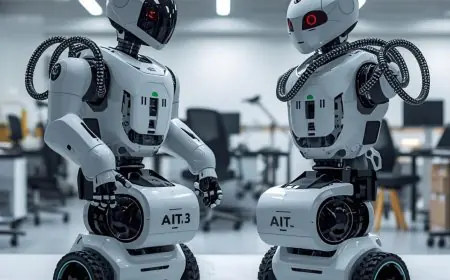
Seeing Machines' platform integrates advanced computer vision, sensor fusion, and decision-making algorithms into a unified system tailored for humanoid robotics. The technology is designed to handle tasks such as object manipulation, navigation in dynamic environments, and real-time interaction with humans.
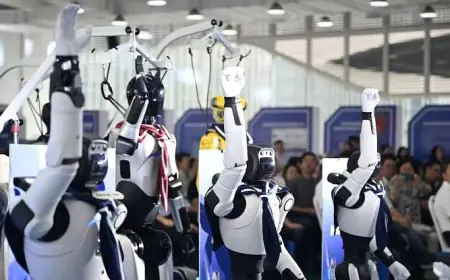
The company's focus on humanoid robots reflects a broader industry trend toward developing machines that can operate in human-centric environments.
"The transition from digital AI to physical AI is one of the most important shifts in the industry. Humanoid robots are the ultimate test of this technology." – Seeing Machines spokesperson
Seeing Machines' platform supports a range of robotic capabilities, including object recognition, path planning, and adaptive motor control. The company's technology is designed to address the unique challenges of humanoid robotics, such as bipedal locomotion, fine manipulation, and social interaction.
Early applications include logistics automation, healthcare support, and industrial manufacturing, where humanoid robots can perform tasks currently requiring human dexterity.
As physical AI continues to gain momentum, companies like Seeing Machines are positioning themselves at the forefront of a new wave of robotics innovation. The integration of AI with advanced robotics hardware promises to transform industries ranging from logistics to healthcare, creating machines that can work alongside humans in a wide variety of roles.