




































China Reportedly Eases Restrictions on Nvidia H200 AI Chips as AI Race Intensifies
China Reportedly Eases Restrictions on Nvidia H200 AI Chips as AI Race Intensifies
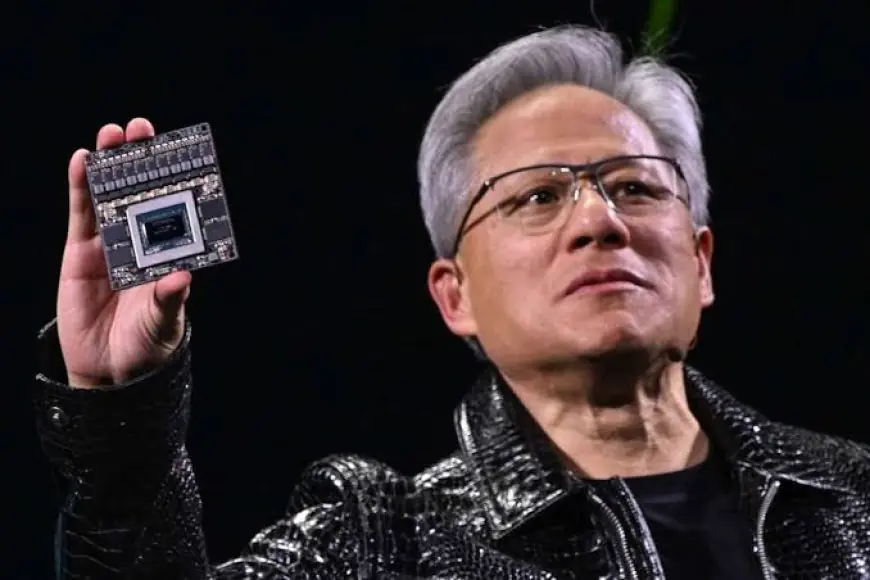
A major development is emerging in the AI chip sector, as Taiwan's Commonwealth Magazine reports that China appears to be easing restrictions on Nvidia's H200 AI processors.


The potential policy shift comes at a critical moment in the global AI race, with both the United States and China competing fiercely to secure and control access to advanced semiconductor technology.
The H200 is Nvidia's latest high-performance AI chip, designed to handle the massive computational demands of large language models and other AI applications, and is seen as a key component in the infrastructure race.
The reported easing of restrictions could signal a recalibration of China's approach to AI chip access. It comes after years of U.S. export controls aimed at limiting China's ability to acquire advanced chips from Nvidia and other American suppliers.
If confirmed, the move could allow Chinese companies and research institutions to more readily access H200 chips, potentially accelerating their AI development efforts. However, the exact nature and scope of the easing remain unclear, and the development is still unfolding.
"If China is indeed easing restrictions on Nvidia H200 chips, it could provide a significant boost to its AI ambitions, potentially narrowing the technological gap with the U.S. in the short term." – Semiconductor industry analyst
The potential policy shift could have significant implications for the broader AI chip war and global competition. By easing restrictions, China may be seeking to accelerate its domestic AI development by leveraging Nvidia's advanced technology.
This could also put pressure on the U.S. to reevaluate its export control strategy, as tighter restrictions may be less effective if China finds ways to circumvent them. Alternatively, the move could be part of a broader strategy to reduce dependence on foreign chips.
As the global semiconductor landscape continues to evolve, the reported policy shift underscores the dynamic nature of the AI chip market and the complexities of managing technology access in a competitive geopolitical environment.