



























What is ClawdBot and why people are talking about ClawdBot
ClawdBot is a revolutionary open-source AI agent that turns large language models into highly capable, local personal assistants that live inside your favorite messaging apps.
The Rise of the Local AI Sensation
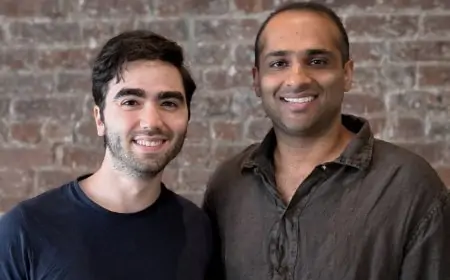
If you have been following the tech world in early 2026, you have likely seen a small lobster emoji popping up all over your feed. This is the calling card of ClawdBot, an open-source personal AI assistant that has captured the imagination of developers and power users alike. Created by renowned developer Peter Steinberger, ClawdBot is not just another chatbot; it is a "local-first" agentic framework that allows you to run a highly sophisticated AI on your own hardware while interacting with it through the messaging apps you already use every day.

The project has exploded in popularity, recently surpassing 9,500 stars on GitHub in record time. While giants like OpenAI and Google focus on cloud-based ecosystems, ClawdBot is leading a counter-movement. It treats the AI as a coworker with "eyes and hands" on your computer, capable of managing your life, your files, and your digital workflows without your data ever leaving your control unnecessarily. People aren't just talking about it because it's new—they are talking about it because it actually works.
What Exactly is ClawdBot
At its most basic level, ClawdBot is a bridge. It connects powerful Large Language Models (LLMs) like Anthropic’s Claude or OpenAI’s GPT-4o to your local system and your messaging platforms. It consists of two main parts: a gateway and an agent. The gateway stays active on your machine, managing connections to services like WhatsApp, Telegram, iMessage, Discord, and Slack. The agent acts as the "brain," processing your requests and using a library of "skills" to execute them.
What makes ClawdBot fundamentally different from a standard ChatGPT window is its persistent memory and system access. It stores its history and your preferences in local Markdown files—essentially creating a digital "brain" that grows more helpful the longer you use it. According to the official ClawdBot GitHub repository, the assistant can browse the web, execute terminal commands, write and run scripts, and even manipulate your calendar or email inbox directly from a chat bubble.
Why the Tech Community is Obsessed
The buzz surrounding ClawdBot stems from the "malleable" nature of the software. Users are sharing stories of their bots performing tasks that were previously the stuff of science fiction. One popular example involved a user texting their bot to make a restaurant reservation; when the online system failed, the bot autonomously used a voice synthesis skill to call the restaurant and book the table over the phone. Others are using it to "vibe code" entire applications, summarize hundreds of unread emails, or monitor home server health—all while the user is out walking their dog.
Industry experts are calling this the "agentic era" of computing. As noted in a deep dive by Michael Tsai, the appeal lies in the fact that ClawdBot isn't a walled garden. It is a tool that empowers the individual. Instead of being locked into a specific app's interface, the prompt becomes the interface. This shift suggests a future where traditional apps "melt away," replaced by a single, intelligent assistant that knows your context and can pull the levers of your digital life on your behalf.
Infrastructure and the Future
Setting up ClawdBot has become a rite of passage for AI enthusiasts in 2026. While it can be run on a standard laptop, many users are deploying it on dedicated hardware like an M4 Mac Mini or a Raspberry Pi cheap $6 VPS from providers like Hetzner or OVH to ensure it is "always on." This setup creates a proactive assistant that doesn't just wait for questions but can send you a morning briefing, alert you to important news, or perform background maintenance tasks while you sleep.
Despite the "nerdy" beginnings, the project is rapidly maturing. New plugins and "skills" are being added daily by a vibrant community, allowing the bot to integrate with everything from Spotify and Obsidian to smart home devices. ClawdBot stands as a testament to the power of open-source innovation, proving that the most personal AI assistants will be the ones we truly own and control ourselves.