






































The AI and DC Takeover Week is redefining global power
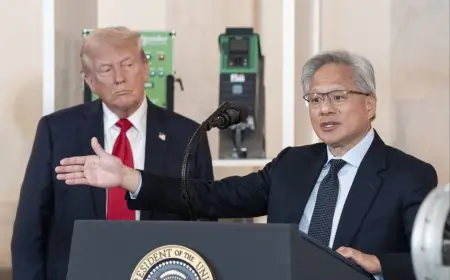
Washington D.C. transforms into the global epicenter of technology policy as the AI+DC Takeover Week brings together the Pentagon, Silicon Valley, and Capitol Hill. The event marks a pivotal shift in how the United States treats artificial intelligence, moving it from a commercial luxury to a cornerstone of national security and economic survival.



The atmosphere in Washington D.C. this week feels less like a typical legislative session and more like a high-stakes war room. As the "AI+DC Takeover Week" officially kicks off, the traditional divide between the suit-and-tie world of policy and the hoodie-clad halls of Silicon Valley has effectively vanished. This isn't just another tech conference; it is a visible manifestation of how artificial intelligence has become the most critical lever of state power in the 21st century.
From the breakfast tables of the Willard Hotel to the secure briefing rooms of the Pentagon, the conversation has shifted. We are no longer debating if AI will change the world—we are now deciding who gets to set the rules for that change. With defense leaders, tech CEOs, and lawmakers all occupying the same square mile, the message is clear: AI is now synonymous with national sovereignty.
The New Alliance Between Silicon Valley and the Pentagon
For years, the relationship between big tech and the military was, at best, complicated. We saw employee protests at major firms over defense contracts and a general skepticism toward "Project Maven" style initiatives. However, the tone in 2026 has shifted toward a pragmatic, and perhaps necessary, alliance. Defense leaders are now looking at AI not just as a tool for efficiency, but as the fundamental backbone of modern deterrence.
The summit highlights a major push for "Sovereign AI," a concept where a nation’s computing power and data repositories are treated with the same level of protection as its borders. The Department of Defense has been vocal about the need to integrate generative models into everything from logistics to autonomous tactical systems. This integration is no longer a "nice to have" feature; it is seen as the only way to maintain a competitive edge against global rivals who are moving just as fast.
Why Economic Policy and AI are Now Inseparable
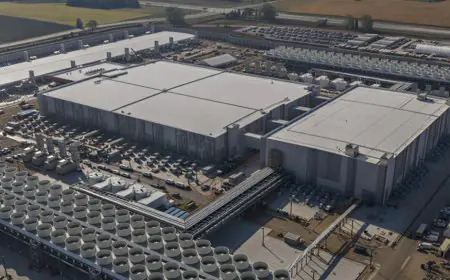
While security is the headline, the underlying current of the week is economic dominance. Lawmakers are grappling with how to keep the U.S. at the forefront of the "compute race." This involves massive discussions around energy infrastructure—specifically how to power the massive data centers required for the next generation of models without collapsing the local power grids.
According to recent reports from the Brookings Institution, the intersection of AI and labor policy is the most pressing concern for the domestic front. Leaders are debating "Innovation Zones" that would provide tax breaks for AI firms that keep their development and hardware manufacturing within domestic borders. The goal is simple: ensure that the economic engine of the next century remains anchored in the West.
A Collision of Ethics and Speed
Of course, this "takeover" isn't without its critics. Civil rights advocates and ethicists are also on the ground in D.C., raising concerns about the lack of transparency in AI-driven defense systems. The tension between moving fast enough to beat adversaries and moving slow enough to ensure safety is the central drama of the week. Many are looking toward the U.S. Department of Defense for clearer guidelines on the ethical use of autonomous systems, specifically regarding human-in-the-loop requirements for lethal decisions.
As the summit progresses, we are seeing the emergence of a new kind of "tech-statesman." These are individuals who understand both the nuances of neural networks and the complexities of international diplomacy. The result of this week’s meetings will likely dictate the next decade of American industrial policy. The "Takeover" isn't just about a week in Washington; it’s about who will hold the reins of the most powerful technology ever created.
The stakes couldn't be higher. In the halls of D.C. this week, the future isn't being predicted—it’s being legislated into existence.