





























OpenAI Reportedly Wants to Rename Data Centers AI Compute Campuses After the Midterms
Axios reports OpenAI will launch a policy and PR blitz right after Tuesday's midterms, including a push to call its data centers AI compute campuses. Chris Lehane says AI will be the issue in 2028.
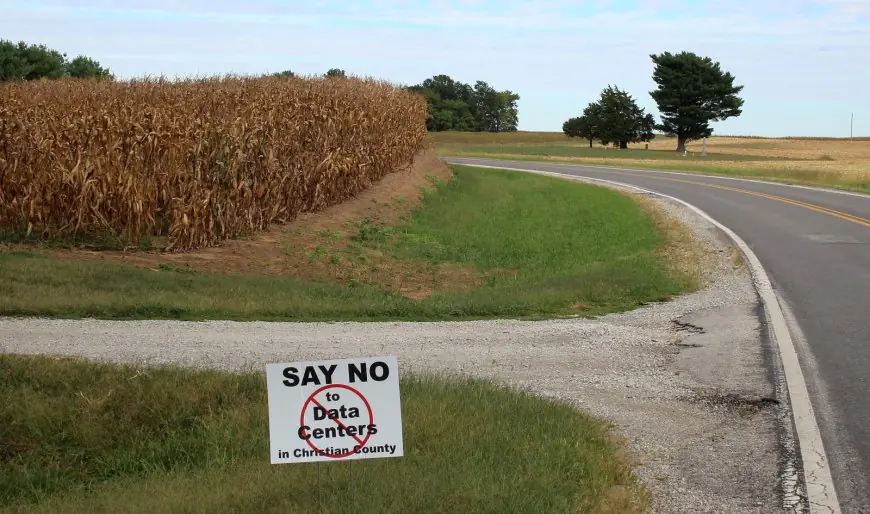
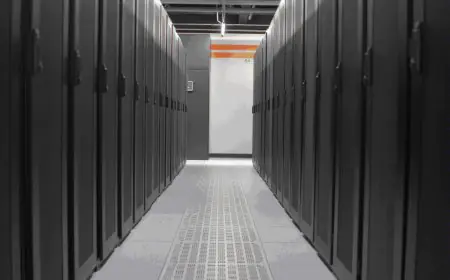
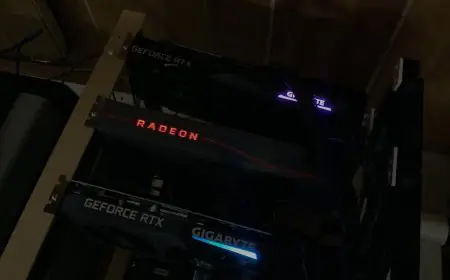
Data centers are about as popular as a parking ticket in the towns that host them, so OpenAI reportedly has a fix in mind. Change the name. According to Axios, which says it is revealing the plans for the first time, OpenAI intends to launch a policy and PR blitz right after Tuesday's midterms, including an effort to call its facilities "AI compute campuses."


Axios describes the rebrand as "intentionally provocative." The pitch, as the outlet tells it, is that the infrastructure OpenAI is building differs from legacy data centers and can "economically transform host communities." OpenAI points to a huge project in Pike County, in Ohio's Appalachian region, that promises thousands of jobs.
The timing is the real story. Axios reports that Democrats will likely win the House on Tuesday, ending two years of what it calls a friendly White House for AI companies. OpenAI's chief global affairs officer, Chris Lehane, told the outlet that his team has been stockpiling policy proposals since August, some new and some repackaged. Axios says it all starts in the lame-duck session of Congress, which opens Nov. 9.
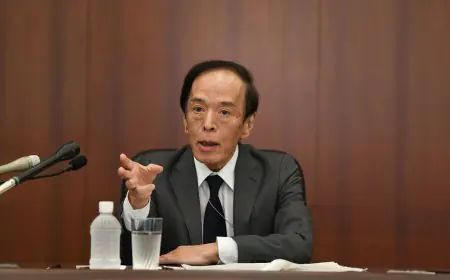
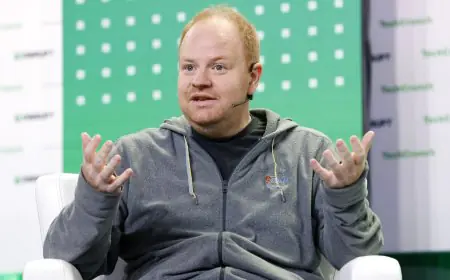
"We think the conversation is good and healthy. It's democracy in action. Communities should hold companies responsible and accountable so they really and truly get a transformative benefit from these projects." Chris Lehane, OpenAI chief global affairs officer, to Axios
Notable words from a company workshopping a new label for the thing communities are fighting. Axios says OpenAI also wants to offer new community compacts and commitments, and to propose state legislation giving residents "a meaningful say" in how projects are built and what benefits they receive. The opposition has pushed Amazon and Microsoft to say they will stop using NDAs when negotiating with local governments, TechCrunch noted in its write-up of the Axios scoop. We covered the OpenAI election war room last week, and the White House's own push to make data centers pay their neighbors before the midterms. Same issue, different lever.
Data centers are only one item on the list. Axios says OpenAI also plans to unveil new ideas for mandatory safeguards on the most powerful AI systems, which Lehane calls "speed limits." Axios says that will come with a more aggressive congressional drive. "You're going to see us talk more and more about the concept of speed limits," Lehane said. The reported list also includes ideas to help people see AI as empowering at work and at home plus a push for the US to shape global standards for AI built on democratic values.
Axios frames the whole thing as an attempt at a "third path" between doomers and accelerationists. Lehane's own framing is bluntly political. He called the midterms "a bit of a movie trailer for what you're going to see in 2028," and said "AI is going to be the issue" in that presidential race. He also warned that it will not be enough for candidates to say "AI bad," and said the public will look for "whoever their FDR or Lincoln is who's actually going to want to try to lead them through this journey."
Reading the fine print on a friendly scoop
Two caveats matter. First, this is a plan reported by one outlet, with the main details attributed to Lehane. OpenAI has not published a rebrand, and "AI compute campuses" is what the company reportedly intends to argue for, not a term anyone has adopted.
Second, Axios discloses that it has a content licensing and technology agreement with OpenAI, which the outlet says emphasizes expansion of local news coverage. That does not make the reporting wrong, and the quotes are on the record. It does mean the company picked a friendly venue to unveil its message.
The strategy is not subtle. OpenAI is betting a nicer label plus a few community promises can blunt what Axios calls a bipartisan backlash. The harder test is whether residents of the next Pike County see a transformative benefit or just a fresh coat of paint on a very large power bill. Voters, and soon a new Congress, will decide that, not a branding memo.