






































Why Google DeepMind Researchers Are Quitting Over Who Really Controls Military AI
Two Google DeepMind researchers have quit over Google's Pentagon and Israel contracts, warning the company has no veto and little visibility once its AI goes classified. One of them is now urging colleagues to stay and unionize instead of walking out.
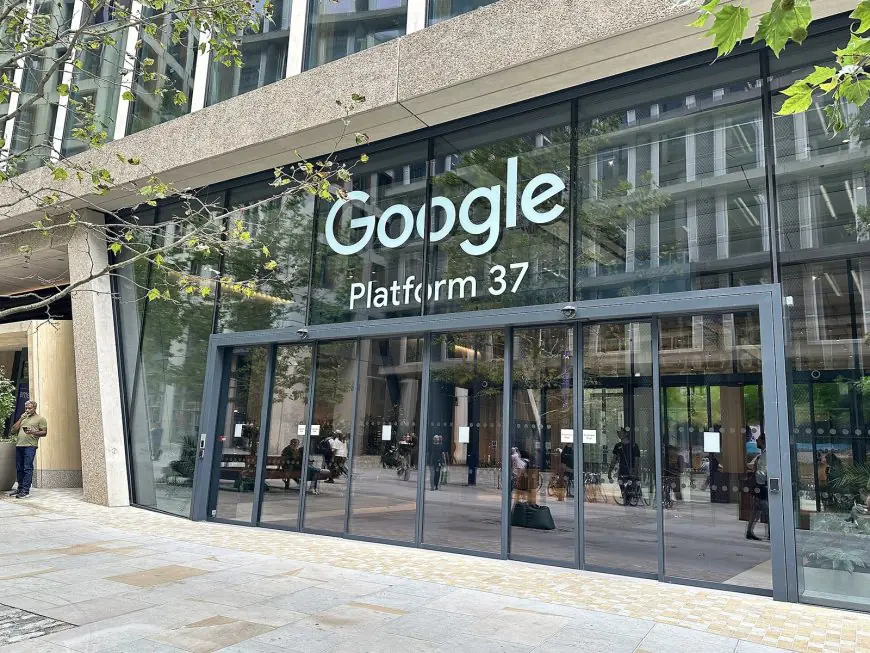
Sofia Liguori did not leave Google DeepMind quietly, and she does not want anyone to follow her out the door. The London research engineer, who spent three years at the lab, resigned this week over Google's military contracts with the United States and Israel. Her farewell letter asks the colleagues she left behind for something unusual. Stay, organize, and fight from the inside.


Liguori is one of several current and former DeepMind staff who spoke to a BBC Eye investigation published on October 21. Another is Andreas Kirsch, a research scientist who has also quit. Both land on the same question. Once a frontier model disappears into a classified network, who is actually in charge of it?
"Realising my company is pushing more and more for AI systems in military operations makes me feel ashamed to work at Google." Sofia Liguori, former research engineer, Google DeepMind
Four words doing a lot of work
According to the BBC, the Pentagon agreement Google signed earlier this year lets its models be used for "any lawful government purpose." The contract adds that they "should not be used for domestic mass surveillance or autonomous weapons (including target selection) without appropriate human oversight and control." That final clause is a qualifier, not a ban.
Kirsch thinks the paper protections are thin because Google has little ability to enforce them. "Google seems to have no right to control or veto how the Pentagon uses its AI and also seems to have limited visibility into how it's being deployed," he told the BBC.
Liguori goes further in her letter, calling these deals contracts that impose "no restrictions on permissible uses" while "leaving the company no monitoring power." She describes that as "a very convenient contract design for executives to escape accountability."
The BBC reports that OpenAI, Amazon, Microsoft, Oracle, Nvidia and others signed similar deals. Defense Secretary Pete Hegseth has said the US will become an "AI-first warfighting force," and the Pentagon has since stood up a four-star autonomous warfare command.
The petition that did not work
What makes this wave different from 2018, when staff protests helped push Google away from Project Maven, is that the internal route has already been tried. In an essay published by the tech union UTAW, Kirsch writes that he and more than 600 Google and DeepMind employees signed an open letter asking CEO Sundar Pichai not to put the company's models on classified networks. The deal was finalized anyway.
Staff also describe a culture where dissent feels risky. Liguori told the BBC that her contract means "in principle I'm not allowed to criticise Google for the duration of my life." In her letter she says raising military contracts with her team got her "called into HR meetings on the pretext of having breached some internal policy," which she calls intimidation.
Google's answer
"We work with public sector organisations worldwide and follow a consistent process for reviewing and entering these contracts, including compliance with our acceptable use policies and AI principles." Google spokesperson
The spokesperson did not address the contract terms, but added that Google has "strict workplace policies in place to prevent retaliation of any kind."
From exits to leverage
Liguori's letter is blunt about the limits of quitting. "I don't think resigning is an effective method, certainly not as an individual act," she writes. Instead she points colleagues to the GDM Union, through which UK DeepMind staff are organizing with UTAW and Unite. Its demands include:
- Enforceable red lines on military and surveillance applications
- More transparency around contracts
- The right to abstain from projects on ethical grounds
- A stronger sustainability commitment
She admits these demands "won't be easy to win." That is the sharper story here. A resignation letter tells Google how one engineer feels. A recognized union could press the company to answer Kirsch's question in writing. Whether enough DeepMind staff sign up is still an open question.