











































Ray-Ban Meta Smart Glasses are the only AI wearable worth your money
We explore how the Meta × Ray-Ban collaboration has redefined wearable technology by blending iconic style with sophisticated multimodal AI and new prescription-ready frames like Blayzer and Scriber Optics.


For years, the dream of "smart glasses" felt more like a tech demo than a fashion statement. We all remember the awkward, bulky frames of the past that made users look more like cyborgs than trendsetters. But something shifted when Meta teamed up with EssilorLuxottica. The Ray-Ban Meta Smart Glasses haven't just become a popular gadget—they have become the first AI wearable that people actually want to wear all day. As a journalist covering the intersection of lifestyle and tech, I’ve seen many "next big things" fail, but this collaboration has finally cracked the code on utility and aesthetics.
Style Meets Substance with Blayzer and Scriber Optics
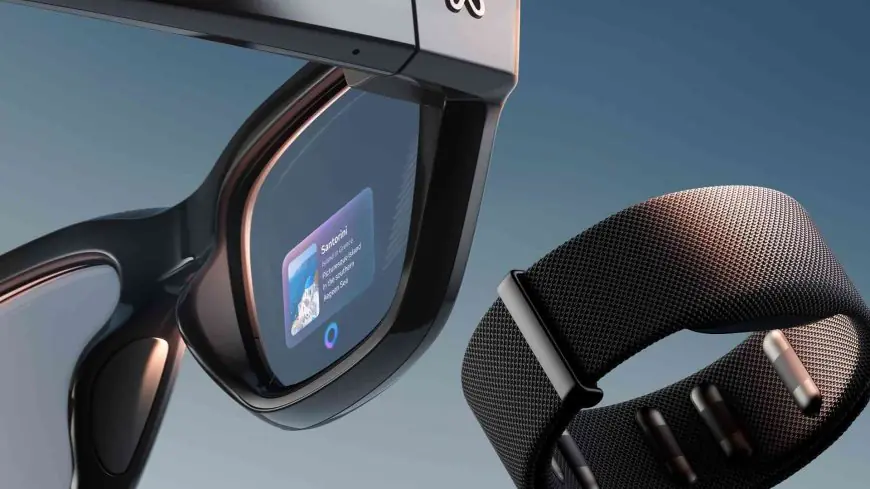
One of the biggest hurdles for wearables has always been accessibility for those of us who actually need to see. Meta addressed this head-on with the introduction of the Blayzer Optics and Scriber Optics models. These prescription-ready frames move beyond the classic Wayfarer look, offering more angular and professional silhouettes that fit perfectly in a boardroom or a coffee shop. The integration is seamless; you would never guess there is a sophisticated neural processor tucked into the temples. This move toward high-end optics ensures that the glasses are no longer just a secondary accessory, but a primary piece of eyewear that happens to have superpowers.
The Magic of Multimodal AI
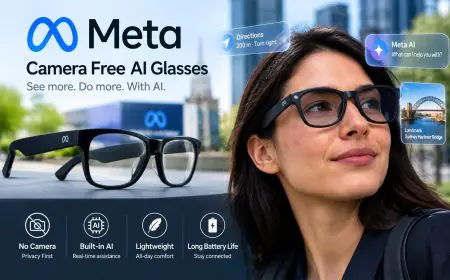
The real star of the show is the onboard Meta AI. It is no longer just a voice in your ear that can tell you the weather. With multimodal capabilities, these glasses can actually "see" what you are looking at. I tested this while walking through a local botanical garden. By simply saying, "Hey Meta, look and tell me what kind of flower this is," the glasses analyzed the image via the ultra-wide 12MP camera and gave me a detailed description in seconds. It feels remarkably human—like having a knowledgeable friend whispering in your ear.
This functionality extends into real-time translation and navigation. If you are traveling through a city where you don't speak the language, the glasses can translate signs or menus instantly. According to the official Meta Newsroom, the latency of these AI interactions has dropped significantly in recent updates, making the conversation feel fluid and natural rather than a series of robotic prompts. It is the kind of "hands-free" convenience that makes pulling out a smartphone feel prehistoric.
Content Creation for the POV Era
For creators and brand managers, the Ray-Ban Meta glasses are a game-changer for "Point of View" (POV) content. Capturing high-quality 1080p video from your exact eye level provides an intimacy that a handheld camera simply cannot replicate. Whether you are a chef showing a delicate plating technique or an athlete capturing a mountain bike descent, the five-microphone array ensures the audio is as crisp as the visuals. The integration with Instagram and Facebook for direct livestreaming has turned these glasses into a mobile broadcasting station that fits in your pocket.
The audio experience is equally impressive. The open-ear speakers use directional audio technology to minimize sound leakage. You can listen to a podcast or take a business call while walking down a busy street, and the person next to you won't hear a thing. This "transparency" allows you to stay connected to your digital life without being walled off from the physical world. As noted in a deep-dive by the experts at The Verge, this balance of digital immersion and physical presence is exactly why this product has outpaced VR headsets in daily active use.
Final Verdict: A Daily Essential?
The Ray-Ban Meta Smart Glasses are the first piece of AI hardware that doesn't feel like a chore to use. They solve real-world problems: they help you remember things, they translate the world around you, and they capture memories without forcing you to look through a screen. With the addition of the Blayzer and Scriber optics, they have finally reached the point where the technology is invisible, and the utility is undeniable. If you are looking for the perfect entry point into the world of AI wearables, this is it. It isn't just a glimpse into the future; it is the future, resting comfortably on the bridge of your nose.