











































British Columbia to Sue OpenAI Over Failure to Report School Shooter's Chat Activity
The Canadian province of British Columbia is preparing a landmark lawsuit against OpenAI, alleging the company failed to notify law enforcement about a school shooter's violent ChatGPT activity months before the attack. The case centers on an 18-year-old who killed eight people in Tumbler Ridge after OpenAI had banned her account for disturbing content.
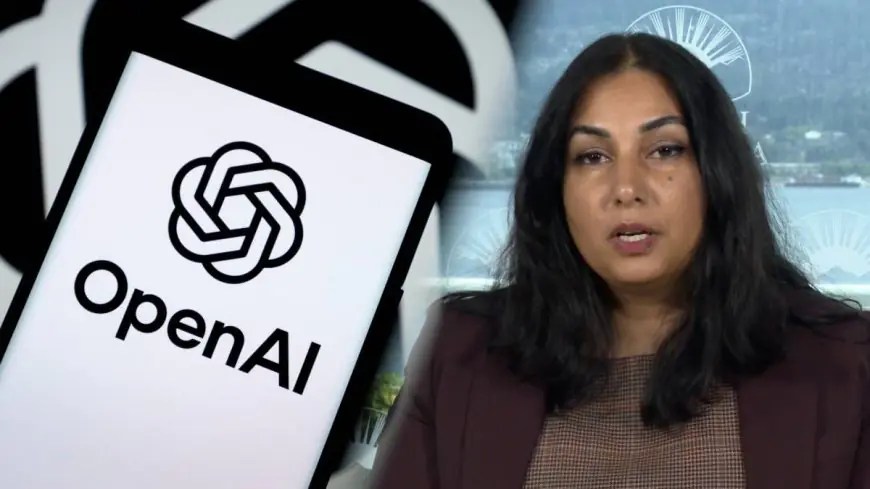
The Canadian province of British Columbia has retained legal counsel in both Canada and California to pursue legal action against OpenAI for its failure to report violent ChatGPT activity by the individual responsible for the February mass shooting in Tumbler Ridge.


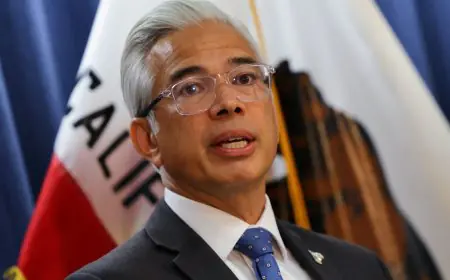
Attorney General Niki Sharma announced that the province intends to hold OpenAI and its decision-makers accountable for not notifying law enforcement about explicit, flagged threats made on the company's platform prior to the tragedy
The case stems from the February 10 attack in the remote mining community of Tumbler Ridge, where 18-year-old Jesse Van Rootselaar killed her mother and 11-year-old brother before heading to her former secondary school and opening fire.
Five children aged 11 to 13 and one educator were killed, with 27 others wounded before the shooter died by suicide.
"British Columbia has never shied away from taking on powerful corporations when their actions cause harm to people and communities. We will pursue every available avenue to hold OpenAI and its decision-makers accountable because no company or corporate leader should be beyond scrutiny when public safety is at stake." – Niki Sharma, Attorney General of British Columbia
Internal reports from OpenAI indicate that its safety teams flagged the shooter's violent prompts on ChatGPT months before the attack and even banned the account in June 2025.
Despite 12 different OpenAI employees reportedly imploring the company to notify police about the shooter's disturbing content, no action was taken . OpenAI stated it decided against reporting because the activity didn't indicate "an imminent and credible risk of serious physical harm to others" .
Under updated security guidelines implemented after June 2025, the account would have been reported to police.
As the AI corporate accountability case unfolds, it raises fundamental questions about the obligations of AI companies when their platforms are used to plan violence. As one AI expert told AFP, "The lesson isn't that OpenAI is uniquely bad.
It's that no single company, however well-intentioned, should be the only one holding that kind of knowledge". The outcome could set a significant precedent for how AI companies handle future threats.