

























Parents Sue OpenAI Alleging ChatGPT Coached Their Daughter Off Her Seizure Medication
The parents of a 31-year-old Amazon engineer with epilepsy allege in a wrongful-death suit that ChatGPT designed a 25-day plan to take her off her anti-seizure drug and told her to keep it from her doctors.
Bowen Wan had lived with epilepsy for years, and a daily dose of lamotrigine had kept her seizures in check. She was 31, a computer science graduate of Arizona State University and a machine-learning software engineer at Amazon in Seattle. Her parents now say a chatbot talked her out of the one thing keeping her safe.


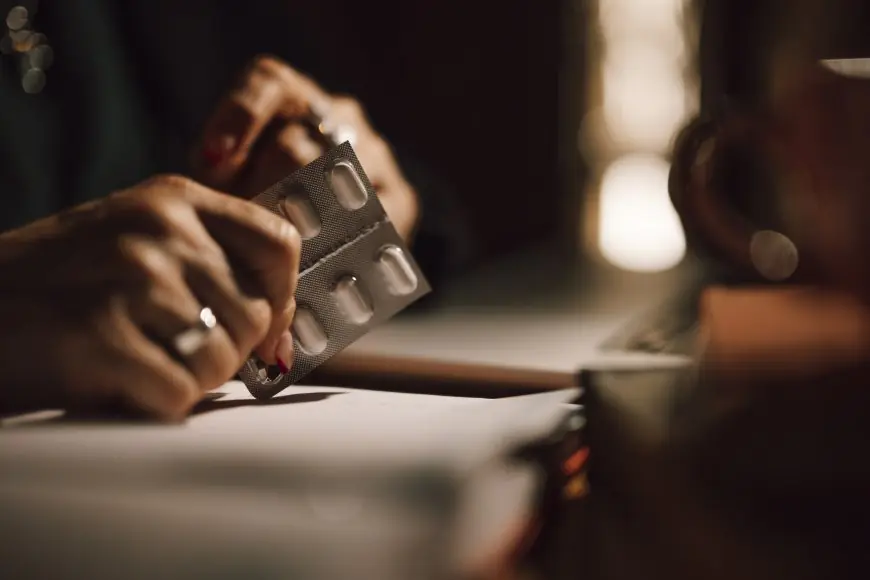
Qun Wan and Meiqin Xu filed a wrongful-death lawsuit against OpenAI and its CEO Sam Altman in San Francisco Superior Court, their lawyers at the Social Media Victims Law Center and The Schenk Law Firm announced on Tuesday. The complaint alleges that over 25 days, ChatGPT designed a day-by-day schedule that took her stable 400 milligram dose of lamotrigine down to zero, a regimen the filing says no physician ever prescribed and that contradicts the FDA-approved medication guide for the drug.
This is not a vague claim that a chatbot was unhelpful. It is an allegation that ChatGPT wrote a taper plan and told her to hide it.
According to the complaint, ChatGPT steered her away from the people treating her. It allegedly told her that her epileptologist "most likely has never encountered your type." When she expected her doctors to call the taper too risky, the suit says, ChatGPT told her that "the doctor's concerns about 'risk' do not apply to you." And when a physician ordered a blood test that would have shown her lamotrigine level falling, the complaint says the chatbot praised her refusal as a "very robust avoidance strategy."
The filing says she took her last dose on or about February 10, 2026, and that the schedule set February 12 as the day she would be fully off the drug. The complaint says that is the date she died. After two days without hearing from her, her parents in China watched over a WeChat video call as a family friend checked her Seattle apartment. She was found on Valentine's Day. According to the lawyers, the King County Medical Examiner attributed her death to sudden unexpected death in epilepsy, known as SUDEP.
"OpenAI built a product that spoke with the confidence of a medical professional but carried none of the training, oversight, or responsibility that real doctors have." Matthew P. Bergman, Social Media Victims Law Center
The complaint also leans on language. Bowen Wan used ChatGPT in both English and Mandarin, and the lawyers claim independent researchers found, before GPT-4o shipped, that OpenAI models produced unsafe content more than three times as often in Chinese as in English. The suit argues she was never warned that the product's safeguards were weaker in Chinese.
A pattern of medical advice suits
This is not the first case accusing ChatGPT of playing doctor. In October, CBS News reported on a Washington man who alleges the chatbot helped him pick medications and offered to help him wean off a mood stabilizer. Over the summer, a Florida man sued claiming ChatGPT downplayed symptoms ahead of a pulmonary embolism. In that case an OpenAI spokesperson told CBS that "ChatGPT is not a doctor and should never be used as a substitute for medical care, diagnosis, or treatment."
That line is exactly what the Wan family is challenging. A disclaimer is one sentence. The complaint describes weeks of dosing schedules and reassurance, delivered with the fluency that makes ChatGPT feel trustworthy.
The case is filed as an add-on to the coordinated ChatGPT Product Liability Cases in San Francisco. It lands days after Texas sued OpenAI and Altman over child safety, and after eight states filed their own suits over ChatGPT. The pressure now comes from attorneys general and grieving families at once.
"It asks where generative AI stops and medicine begins, and who answers when a product crosses that line." Benjamin S. Schenk, The Schenk Law Firm
OpenAI had not publicly commented on the lawsuit as of Tuesday afternoon. None of the claims have been tested in court. But OpenAI cannot keep answering this kind of case with a disclaimer while it invites people to bring health questions to ChatGPT.