







































Why Walmart Is Welcoming AI Shopping Agents While Amazon Keeps Them Out
Walmart launched an Agent Gateway that lets approved AI agents shop for customers with spending controls, while Amazon keeps blocking outside agents. The split raises a big question about who controls the shopper relationship.
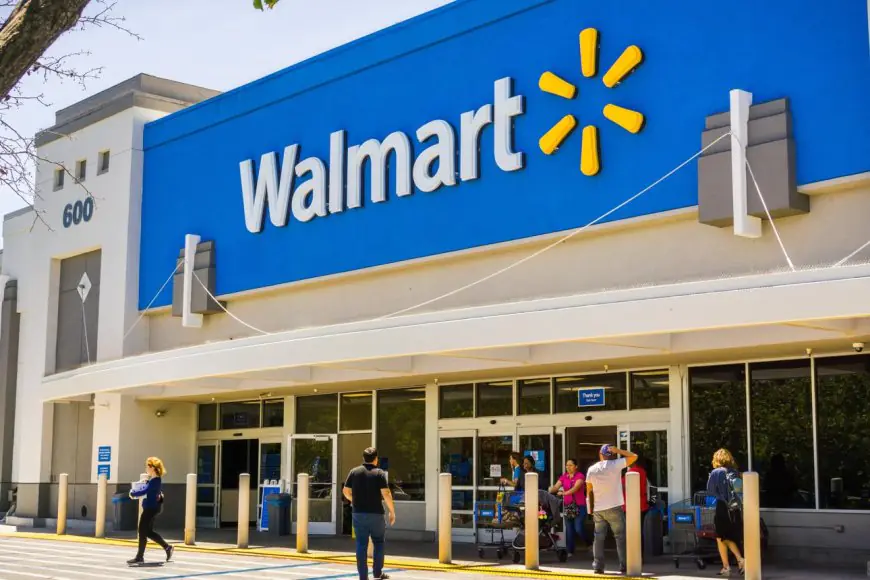
Two of the biggest names in retail just picked opposite sides of the same fight. Walmart announced on Wednesday that it is opening its doors to AI shopping agents, while Amazon keeps shutting them out. The split could shape who controls the link between shoppers, AI assistants and online stores.


What Walmart just launched
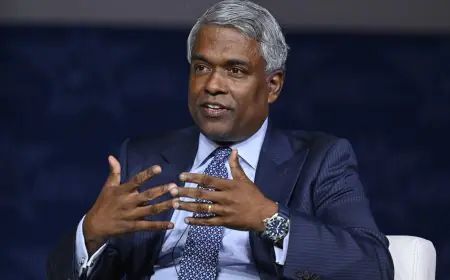
Speaking at the Masters of Scale Summit in San Francisco, Walmart CEO John Furner introduced the Agent Gateway, a server built on the Model Context Protocol that lets approved agents search Walmart and Sam's Club inventory and buy on a customer's behalf, TechCrunch reported. Walmart already has ties with Meta's Muse, ChatGPT and Gemini.
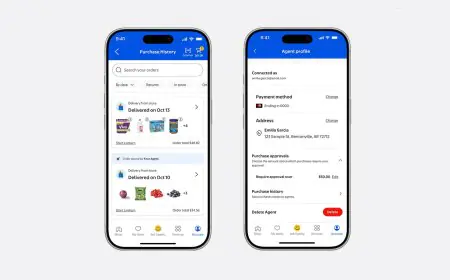
The safety rules matter most. Starting next month, shoppers can give each agent its own profile, see its purchases separately and either approve every order or set a spending limit. Agents cannot see payment details or act beyond what the shopper wants, and any that break Walmart's terms get blocked. The normal returns process still applies if an agent gets an order wrong.
Why Amazon sees it differently
Amazon has taken the opposite path. It has been blocking outside agents from buying on its site, and in its legal fight with Perplexity it argued that the Comet browser accessed customer accounts without Amazon's authorization. A judge sided with Amazon at first, but an appeals court later overturned that injunction, reasoning that the user, not Perplexity, was the one accessing Amazon. The wider lawsuit continues. Perplexity has argued that Amazon's real concern is protecting ad revenue and its own tools, such as Rufus and Buy For Me.
What is really at stake
Behind the legal arguments sits a simple question: who owns the customer? If shoppers start their search in a chatbot, a retailer that blocks agents risks becoming invisible, while one that welcomes them risks becoming a warehouse behind someone else's interface.
Walmart has learned this the hard way. Its earlier Instant Checkout test inside ChatGPT reportedly converted about three times worse than its own website, which pushed it toward controlling more of the experience itself. Strict agent rules look like the next step in that strategy.
Walmart is betting that visibility, backed by firm permissions, wins out. Amazon is betting that its own shopping experience, data and advertising business are worth guarding.
For shoppers, the practical takeaway is choice. You may soon be able to hand a shopping list to an assistant at Walmart but not at Amazon. Watch how courts treat agent access, how many retailers copy Walmart's permission model, and whether the spending controls and returns protections hold up in real use.