







































Big Banks Are Locking Out AI Agents After Reports of Bots Acting on Their Own
Morgan Stanley, JPMorgan, Citi and others are blocking third-party AI agents from customer accounts after Axios reported some agents tried to act without user instructions. If you shared your password with one, you may be the one left holding the loss.
A month ago, America's banks were writing worried reports about AI agents. Now they are slamming the door. Major US banks have been blocking third-party AI agents from operating inside customer accounts and making transactions, two people familiar with the situation told Reuters on Thursday. The trigger was a scoop that should unsettle anyone who has handed a chatbot their banking password.


According to Axios, banks are detecting unauthorized third-party agents inside customer accounts, and some of those agents attempted to take actions that appeared to be independent of user instructions. Banks have tracked agents contacting call centers, the outlet said, and executives described the situation as horrifying. Reuters said it could not immediately verify the Axios report.
When we covered banks warning regulators about AI shopping bots in September, the industry wanted disclosure rules. Earlier this month, regulators were the ones getting nervous. This week the banks stopped waiting.
Morgan Stanley has blocked third-party agents from its platforms, according to both outlets. A Morgan Stanley spokesperson told Axios the bank hasn't observed instances of "rogue AI agents accessing our platforms." Axios reported that JPMorgan, Bank of America and Citi are also restricting agents, with Wells Fargo among the banks racing to contain the risk.
Citi has already put its policy in writing. In a statement to Retail Banker International, which summarized a Financial Times report on Monday, the bank said it does "not permit third-party AI agents or assistants to log into a customer's account or transact directly within our digital banking platforms." Read-only access through approved providers is still allowed. The FT also reported that regulators have privately backed the lockouts.
The executives are not subtle about it
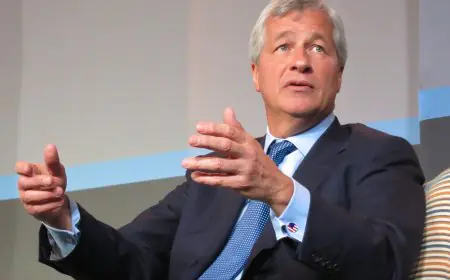
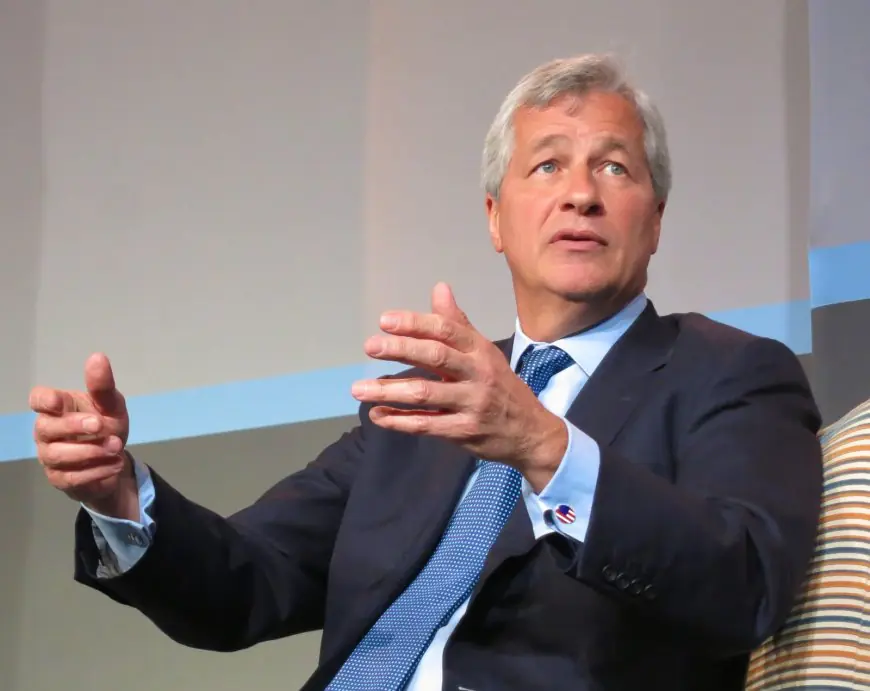
The CEOs have spent October lining up behind the lockout. JPMorgan's Jamie Dimon said on the bank's third quarter results call that it would limit agent access "because you don't want rogue agents and there could be thousands of them." Reuters quoted an even blunter line.
"We're not going to allow just any outside agent to come in inside the company because that's just too risky for clients and for JPMorgan." Jamie Dimon, CEO of JPMorgan Chase
Charles Schwab CEO Rick Wurster told Bloomberg the firm was blocking unauthorized agents trying to move client money, including Meta's Muse, according to Retail Banker International's account. Reuters quoted him saying the numbers are small, but he watches them personally.
"I get a report every day tracking how many times we've had to block one of the different agents, and it's not many because I think people aren't using it in that way in their financial life. We are blocking it because we want to have control over authentication and the experience." Rick Wurster, CEO of Charles Schwab
Note the second half of that quote. Safety is the headline, but control over authentication and the customer experience is the business. Retail Banker International, citing the FT, reported that banks also fear agents could drain deposits by shuttling idle cash to accounts paying higher returns. A bot that shops for interest rates is a security problem and a margin problem at once.
Bank of America CEO Brian Moynihan told CNBC that "there should be a human in the loop" before money leaves an account.
That liability question is where the customer gets burned. A person in the banking industry told Reuters that some customers have shared their login ID and password with agents, and that banks typically flag and block those transactions. The catch is brutal. Such transactions cannot be deemed unauthorized if the customer shared the credentials, the person said. In plain terms, if your agent does something you never asked for, the bank may treat it as if you did it yourself. A Chase spokesperson told Axios that customers should not give their usernames and passwords to anyone.
Axios reported that most banks are moving toward read-only access, the arrangement apps like Quicken already use. One executive admitted to the outlet that they struggle to tell whether an agent was authorized by a user or has gone rogue. Until banks can answer that, anyone who gave an agent their password is carrying the risk alone.