








































Why AI Stocks Are Falling as Investors Question the Bill for the AI Boom
AI-linked stocks slid on October 22 as Meta's new share class and rising spending raised fresh doubts about who pays for the AI buildout. Nvidia fell about 4% and the Nasdaq lost 2.6%.
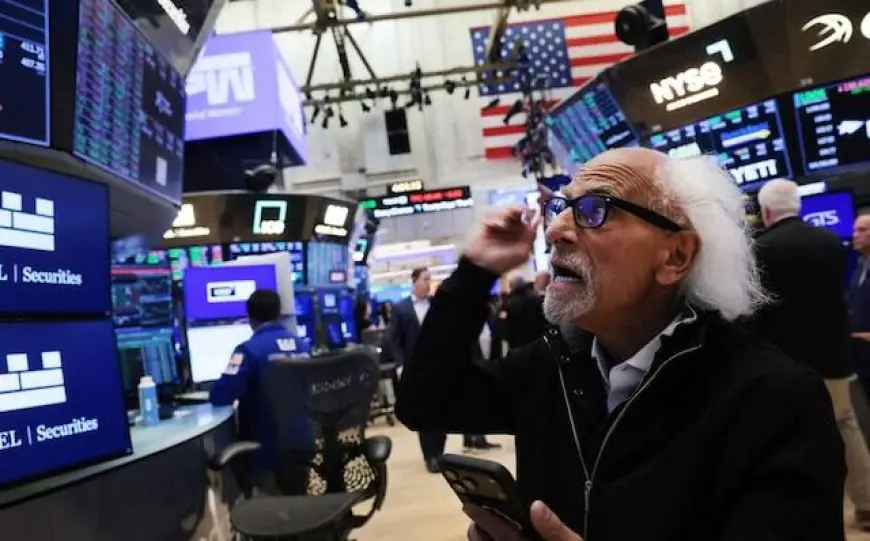
Wall Street got a blunt reminder on Thursday that building the future is expensive. Stocks tied to artificial intelligence slid sharply, and the trigger was less about weak earnings than about who ends up paying for all that computing power.


What happened on October 22
Meta sat at the center of the storm. A day earlier, the company lifted the low end of its 2026 capital spending forecast to $135 billion, leaving the top end at $145 billion. It also announced a new class of non-voting shares to help fund its AI expansion while keeping Mark Zuckerberg's voting control intact. Reuters noted that revenue still beat expectations at $64.60 billion.
Investors focused on cash instead. Meta posted negative free cash flow of $2.12 billion in the third quarter, its first cash burn in more than a decade, according to Reuters. The stock closed down about 7%, its biggest daily drop since July.
How far the sell-off spread
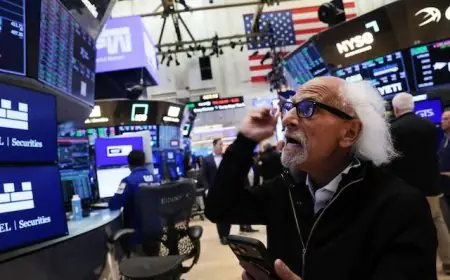
The damage did not stop at Meta. Nvidia fell about 4%, and the Nasdaq Composite lost 2.6%, its steepest slide since early June. The Associated Press reported that the S&P 500 dropped 1.2% for its worst day since July, even though most stocks in the index rose. Tech weakness simply drowned out everything else. Lam Research tumbled 11.6% despite solid results, while CoreWeave, which borrowed heavily to buy Nvidia chips, fell 11%.
Three reasons investors are nervous
- Spending is racing ahead of revenue. Big promises on AI capacity are landing before the payoff is visible.
- Borrowing is expensive. The AP pointed to high interest rates, and the 10-year Treasury yield sat near 5% even after a sharp one-day drop.
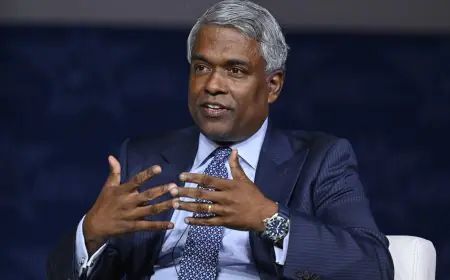
- Financing is getting tighter. Nvidia chief Jensen Huang told CNBC that demand for neocloud services is huge but capital is scarce, and credit default swaps on Meta's debt hit a record.
What this means for the AI boom
None of this signals that AI demand has vanished. Meta beat revenue estimates, and Lam Research still reported higher profit and sales. The real debate is about financing and timing: how much can companies borrow or raise from shareholders before returns show up? Rising oil prices, with Brent crude near $112.80 amid the war with Iran, added another layer of unease for global markets.
If you follow the sector, watch three things in the coming weeks: free cash flow at the big spenders, the details of Meta's share plan, and whether lenders keep funding data center buildouts at today's rates. Those signals will say more about the next leg of the AI trade than any single day of trading.