




































China Is Demanding the US Reverse Its DeepSeek Ban
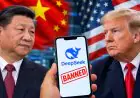
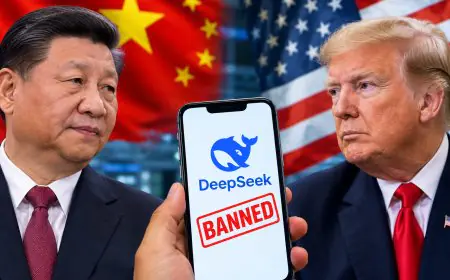
China's Commerce Ministry has voiced "firm opposition" to the US ban on DeepSeek in federal civilian agencies, saying it disregards understandings between Presidents Trump and Xi, and warned it will take "all necessary measures," while the US cites data security and national security concerns.
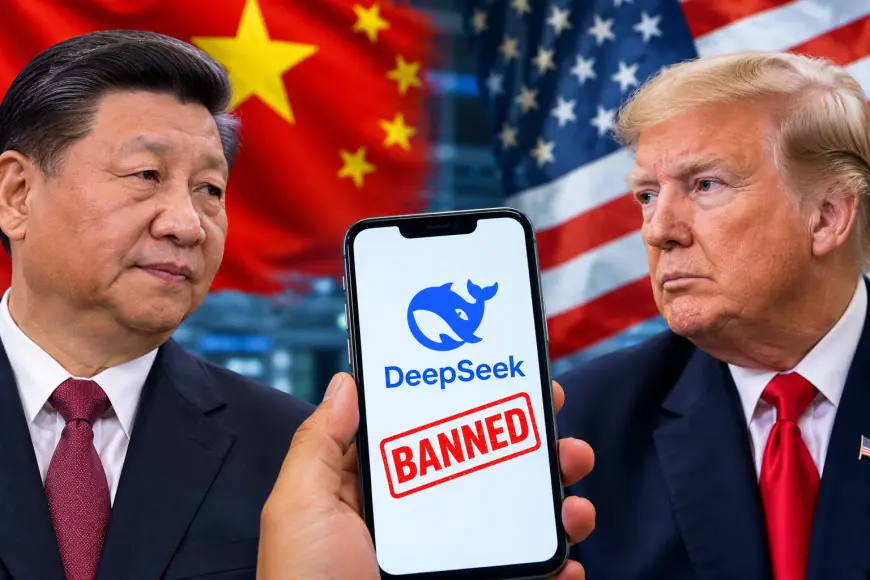
Beijing has answered Washington's DeepSeek ban, and it is not a quiet reply. China's Commerce Ministry said it has "strong dissatisfaction and firm opposition" to the order, according to the Associated Press, and Foreign Ministry spokesperson Mao Ning said China "will resolutely safeguard the legitimate rights and interests of Chinese companies."


The ministry's central argument is about the relationship, not the software. It accused the US of disregarding the consensus reached between Presidents Trump and Xi, and of using discriminatory restrictions "under the guise of national security" to suppress and contain China. The two sides' positions line up this way:
- China says the US is overstretching national security and politicizing tech and trade, and warns it will "take all necessary measures" while urging Washington to use the China-US AI dialogue mechanism
- The US says, per The Hill, that DeepSeek's models may collect personal information, "track or digitally fingerprint" users and contain security vulnerabilities, and that sensitive data could reach Chinese authorities
- AP notes the DHS order dates back to late July but was published in the Federal Register this week, and TechCrunch reports agencies can request exceptions
The dispute is narrower in practice than the rhetoric suggests. The order covers federal civilian agencies, not US businesses or individuals, and DeepSeek's models remain widely available in the United States and mostly free to use.
DeepSeek did not immediately respond to requests for comment. The exchange sits inside a larger pattern: the US has accused Chinese AI startups of large-scale distillation, which Beijing dismisses, and China unveiled its own proposed export restrictions on advanced AI models last week.
AP's reading is that the warnings reflect "the depth of strategic distrust" between the two capitals. Whether Beijing's promised "necessary measures" turn into concrete retaliation, or stay rhetorical while the AI dialogue it cites continues, is the thing to watch next.