









































Meta Paused Muse Sharing After Thousands of Private AI Conversations Were Found Online
Meta has paused the Muse feature that lets users share conversations by link after security firm Claroc found more than 6,800 share links through a single public DNS search, some pointing to loan applications, revenue reviews and staff calendars. Meta says it is reviewing the report.
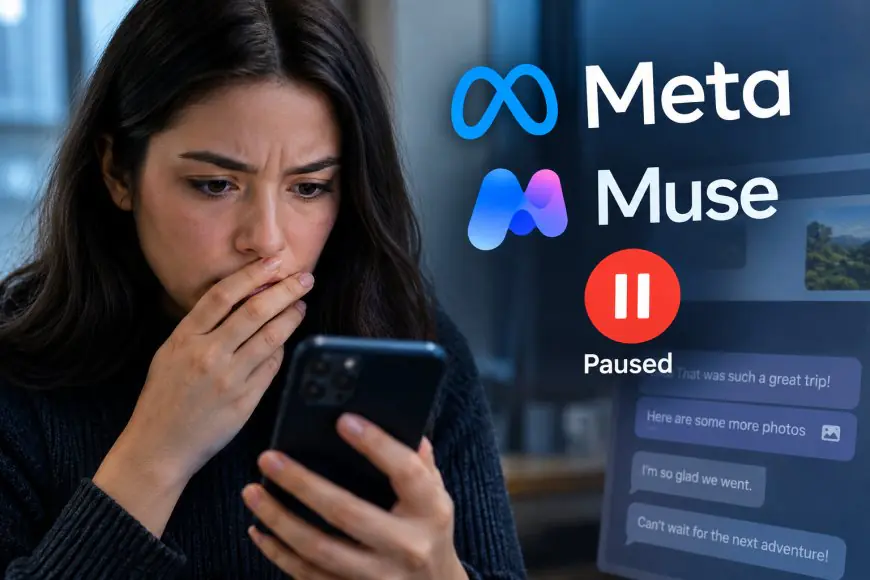
A feature meant to let people show a colleague an AI conversation ended up making some of them easy to find. Meta told Ars Technica it has paused Muse's conversation-sharing feature while it reviews a report from security firm Claroc, whose researchers say they located more than 6,800 shared Muse conversation links with one search of public DNS records.


The researchers say the problem comes down to how the links are built. Muse share links use a common domain, cf.metaaiusercontent.com, and put the conversation title in the web address. When someone opens a link, the lookup can be recorded in a searchable passive-DNS database. "It took one query," the researchers wrote. The findings so far include:
- After opening a few hundred links, Claroc saw a small-business loan application, a company revenue review marked for its CEO, a bank fraud alert with a partial account number and a full-year staff vacation calendar
- One conversation held a job candidate's notes for a confidential executive-search call, and Claroc says it is withholding all hostnames, titles and links
- The firm says its work covers one discovery method on one hostname pattern, so it does not measure total exposure, and it cannot tell how long any link was reachable or whether anyone else found it first
These were links users chose to create, not a break-in at Meta's servers, which is why the issue is about design rather than hacking. Still, it cuts against Meta's messaging: Ars Technica, via Slashdot, notes Mark Zuckerberg said last month that Muse was "built from the ground up for privacy and security."
Other assistants have had similar episodes, as Wilson's Media points out, with shared chats from ChatGPT, Claude and Grok turning up in Google Search before. Meta has not said when sharing will return or what will change.
Until then, the researchers' advice is practical: avoid putting personal or confidential details into any conversation you might share, and delete shared links once they have served their purpose, because a link that is hard to guess is not the same as a link that is private.