


























Hikers Lost on Mount Shasta Say a Chatbot Shaped Their Plan and Rescuers Have Notes
Three 20-year-olds got stuck on Mount Shasta after, by their own account, leaning on Gemini for planning, and rangers say AI trip advice is spreading fast. The evidence is anecdotal, and rescue numbers are not rising.
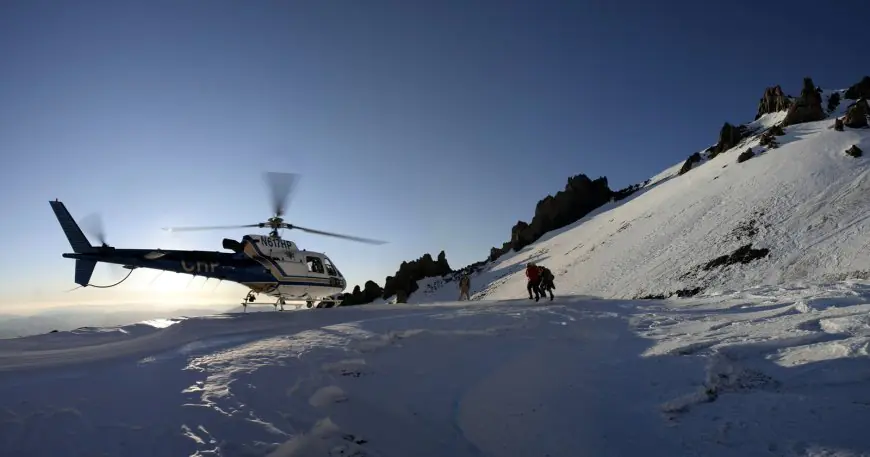
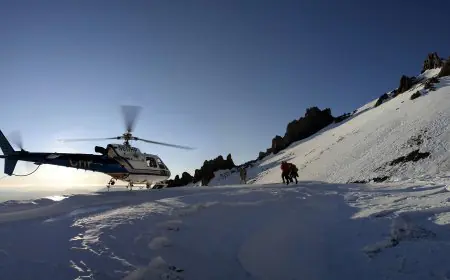
Three 20-year-olds summited Mount Shasta at 7:30 pm. Then they had to climb down in the dark, short on food, overconfident about their fitness and, by morning, lost on a nasty stretch of the mountain with one of them nursing a banged-up knee. They called for help from a rocky face, and they later admitted that part of their sloppy planning came from leaning on Google's Gemini chatbot, according to a High Country News report published by WIRED.


Nick Meyers, program manager at the US Forest Service's Mount Shasta Wilderness Climbing and Avalanche Center, said his team sees plenty of people who show up with no research at all.
"To these guys' credit, they did try. But I think they kind of turned their brains off." Nick Meyers, US Forest Service
That line is the whole story in miniature. By the hikers' own account, a chatbot shaped the plan, and nobody pushed back.
Keep the scale in view. The evidence is a short list of incidents, and the people closest to them say the numbers show no surge. Meyers told the reporter his office averages about a dozen rescues a year and that 2026 looks average. In Wyoming, search and rescue calls are actually down, with 312 so far this year against 466 in all of 2025 and 377 in 2024. Whether AI use will push accidents up, Meyers said, remains to be seen.
What is climbing fast is the habit. Chip Jenkins, superintendent of Grand Teton National Park, said the share of visitors who report using AI for travel information went from zero to 26 percent over the past year. His own forecast, which is a guess and should be read as one: "I'm guessing that curve is not going to flatten."
Meyers described two other cases. One visitor pitched a tent near a No Camping sign and insisted AI had told her she could. His team also met a man at a trailhead holding an AI-generated map that put prominent landmarks on the wrong side of a nearby mountain.
The British Columbia rescue is murkier than the headlines
The incident that went viral involved a 16-year-old hiker airlifted off a ledge below the Widowmaker Arete on Crown Mountain near Vancouver. Early coverage said Anthropic's Claude planned his route. CBC News reported that the teen disputes that version. He says he spent three days planning, checked AllTrails and Google Maps, used Claude mostly for a packing list and to cross-check some terrain details, and mistakenly turned onto an unmarked climbing route.
North Shore Rescue search manager Paul Markey, whose volunteer team flew the mission, still sees a warning in it. Whether the wrong turn came from a chatbot or from the teen's own navigation, Markey said, he ended up on a seriously challenging alpine route without proper equipment. Markey also said it was probably his team's first call involving someone potentially steered into danger by AI, and he fears it will not be the last, according to CBC and Radio-Canada.
The WIRED piece does not quote Google or Anthropic, and nothing in it shows what Gemini or Claude actually told anyone. The Shasta link rests on the hikers' own admission.
Clemson professor Chris Flathmann, who has studied AI and search and rescue, calls the risk "cognitive surrender," where people "give up thinking critically for themselves." Chatbots tend to answer with authority whether or not their sources are any good, he said, and a plan that sounds credible can be stitched from old Reddit threads and outdated YouTube videos. His blunt caveat: "AI isn't trying to trick people into going up mountains."
The advice from experts is boring, and that is the point. Check any AI route against current land-agency maps, trail association sites or a guidebook, and ideally talk to a ranger or guide. As Meyers put it, if you are going somewhere that can kill you, take your planning seriously.