



























OpenAI and Anthropic Take Center Stage as AI Dominates NATO Summit Agenda
Artificial intelligence has become a defining topic at this year's NATO summit in Ankara, with OpenAI and Anthropic playing central roles in discussions over military AI, allied access, and strategic autonomy. The debate reflects growing geopolitical competition over AI infrastructure and technological sovereignty.
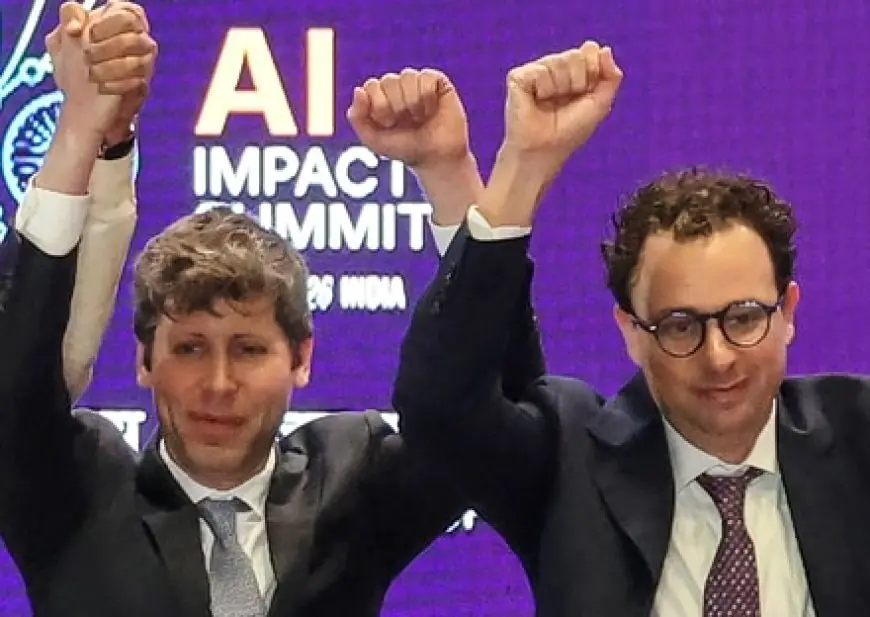
President Donald Trump arrives at the NATO summit in Ankara on 7-8 July holding significant leverage, as the United States controls access to the world's most advanced AI models.

Anthropic's Claude Mythos and OpenAI's latest frontier models can find and exploit security flaws better than most human specialists.
Anthropic's Claude Mythos reportedly surfaced vulnerabilities in classified US systems within hours during a government test.
European allies have been clamoring for access to these models, but Washington has whipsawed between export controls and expanded allied access through Anthropic's Project Glasswing programme.
In early June, the Trump administration imposed export controls on Anthropic's most cyber-capable models, banning foreign nationals from using them.
The controls were lifted on 30 June after an 18-day blackout, with Anthropic expanding Project Glasswing to around 150 organizations across more than 15 countries, including the EU.
Meanwhile, the White House has limited the rollout of OpenAI's latest model to a small group of approved US firms.
"AI is fundamentally changing the threat landscape, and NATO needs to adapt accordingly. Every capability AI provides to our adversaries is also available to us." – Helen Popp, Estonian ambassador-at-large for cyber policy
The push-and-pull from Washington has frustrated European allies, who fear the US could pull a 'kill switch' at any time.
In response, Europe is hedging by building its own capabilities, including the defence AI alliance between Helsing and Mistral.
Helsing develops software for weapons, vehicles, and military strategy, with systems deployed in battlefield simulations, fighter jets, and drones in Ukraine.
Mistral, widely considered Europe's closest competitor to OpenAI, brings advanced AI models to defence platforms.
The European AI sovereignty push reflects a broader shift in defence technology. Key elements include:
- US AI dominance – Washington decides which allies get access to Anthropic and OpenAI models, creating strategic dependency
- European alternatives – The Helsing-Mistral partnership aims to reduce reliance on US-controlled AI technologies
- Export control whiplash – The Trump administration's sudden restrictions and lifts have left allies uncertain about long-term access
- NATO adaptation – The alliance is shifting focus from conventional hardware to AI and drone technologies
While the official summit agenda includes a track on emerging technologies, an official told Politico that AI will receive only brief mentions in the closing statement.
But the quiet corridors will be buzzing with discussions about who controls the world's most powerful AI models and what that means for the future of NATO.