







































AI Weather Model Revolutionizes Energy Trading Across Europe
A new AI-driven weather forecasting model is transforming energy trading in Europe, enabling faster and more accurate predictions that help traders respond to market volatility driven by climate change.
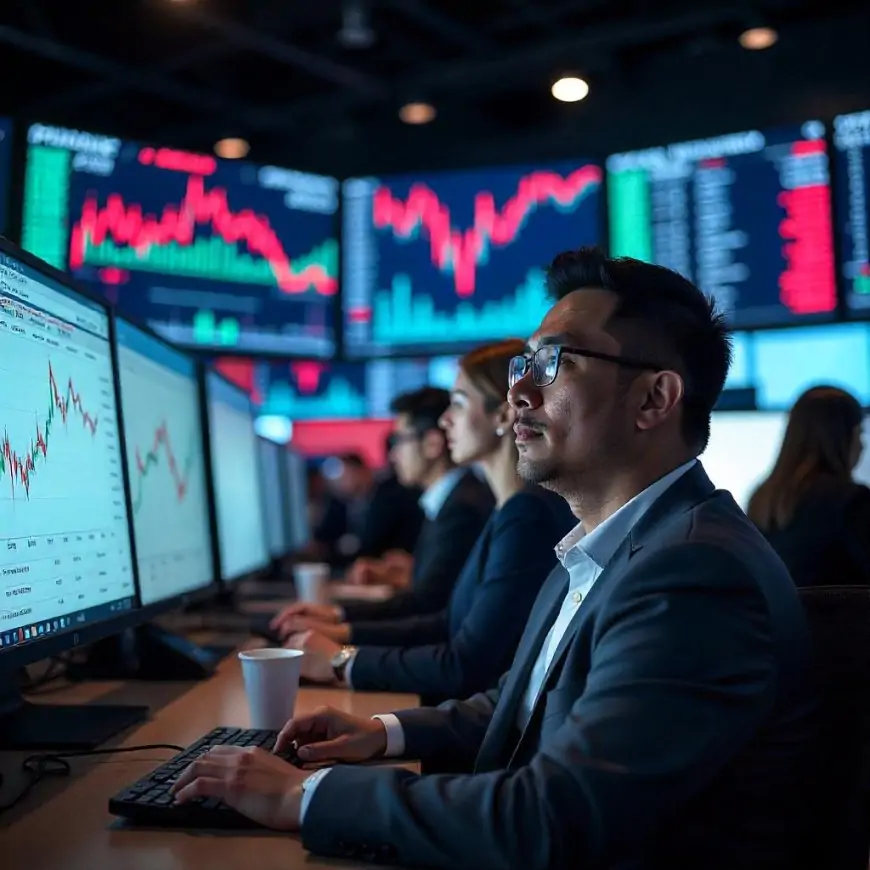
A groundbreaking shift in weather forecasting is taking place in Bologna, Italy, where a new AI-powered weather model is poised to change how energy is traded across Europe. Developed by the European Centre for Medium-Range Weather Forecasts, this innovative system utilizes artificial intelligence to enhance the accuracy and speed of weather predictions, providing vital insights for energy traders in a market increasingly influenced by climate change.


Traditionally reliant on supercomputers to analyze atmospheric data, the European forecasting center has now integrated machine learning techniques into its modeling process. This new AI model not only processes satellite data but also incorporates historical weather patterns, resulting in significantly improved forecasts for temperature, precipitation, wind speeds, and even tropical cyclones. The AI model can generate forecasts in just three minutes—compared to the thirty minutes required by conventional methods—allowing traders to make more timely decisions regarding energy distribution.
The implications of this advanced forecasting capability are profound. As extreme weather events and geopolitical factors increasingly disrupt energy markets, the ability to quickly adapt to changing conditions is crucial. For instance, earlier this year, a lack of renewable energy output during a period known as Dunkelflaute led to surging electricity prices in Germany. Conversely, abundant solar generation recently pushed power prices below zero in several countries. The AI model aims to mitigate such volatility by providing traders with real-time insights that can inform their strategies and optimize energy movements across the grid.
Daniel Borup, CEO of Danish trading firm InCommodities A/S, highlighted the advantages of the new system: “We can update our information set more often than we are used to... that obviously leads to improvements in our predictions”. This capability allows companies to respond rapidly to shifts in demand and supply dynamics driven by weather changes.
Despite the advancements offered by AI, traditional forecasting methods will still play a role. The European center plans to adopt a hybrid approach that combines the strengths of both conventional models and AI systems. While current AI models show limitations—such as less precision in predicting cloud cover or dust events—ongoing developments aim to address these challenges. Future enhancements may include integrating real-time data from various sources like satellites and even automotive sensors.
The introduction of this AI weather model marks a significant advancement in meteorological science and its application within the energy sector. By improving forecasting accuracy and speed, this technology stands to reshape how energy is traded across Europe and potentially worldwide. As traders adapt to these innovative tools, they will be better equipped to navigate the complexities of an ever-changing market influenced by climate dynamics.