







































Samsung's AI Memory Business Faces Market Test Despite Strong Earnings
Samsung AI chip business remains in focus as investors react to earnings and the global AI infrastructure race. Samsung Electronics delivered exceptionally strong preliminary second-quarter results driven by AI memory demand, but investors reacted cautiously, sending shares lower amid concerns about future growth and competition in the AI semiconductor market.
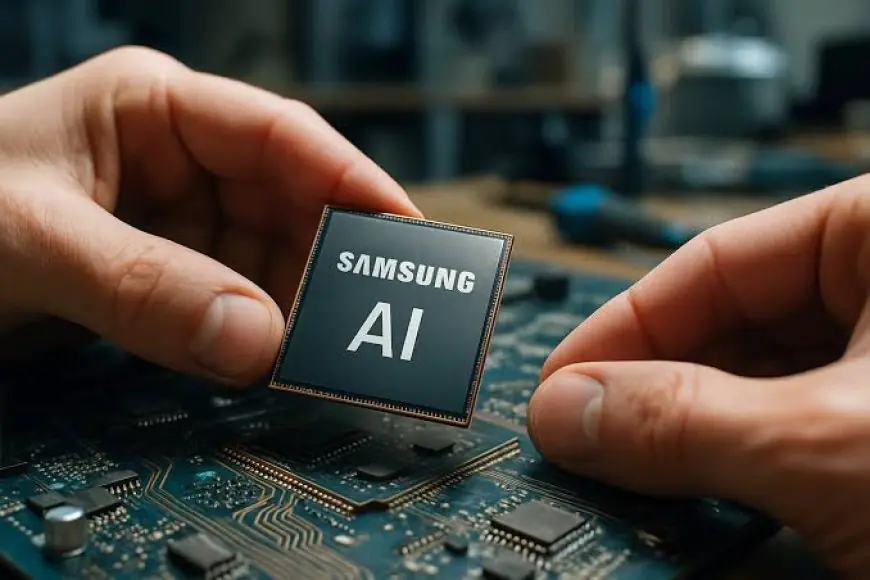
Samsung Electronics delivered another blockbuster quarter as AI memory demand continued to fuel its semiconductor division.


The company reported operating profit of approximately 18.3 trillion won ($13.5 billion) for the second quarter, more than doubling from 9.9 trillion won a year earlier. Revenue rose 15% to 82.3 trillion won ($60.8 billion), slightly ahead of analyst forecasts.
The performance was driven by surging demand for high-bandwidth memory (HBM) used in AI accelerators, with prices for advanced DRAM products rising more than 30% year-over-year.
The results arrive as hyperscalers continue aggressive AI infrastructure spending, making Samsung's memory business one of the industry's most closely watched segments.
Samsung's HBM revenue is expected to rise 300% year-over-year in 2025, with the company projected to take a 40% share of the HBM market by the end of the year.
"While Samsung's numbers were strong, investors are worried about whether the company can maintain that momentum. The AI memory market is becoming more competitive, and concerns about oversupply are starting to emerge." – Lee Hwa-joon, analyst at Korea Investment & Securities
Despite the strong showing, shares of Samsung fell more than 2% in trading, reflecting investor anxiety about the sustainability of AI-driven memory demand.
Several factors are contributing to the cautious sentiment, including falling prices for legacy DRAM chips, growing competition from SK Hynix in the HBM segment, and uncertainty about the pace of AI infrastructure spending.
Industry estimates project global HBM supply could outpace demand by early 2027, driving down memory chip prices.
The AI memory market dynamics are creating both opportunities and challenges for Samsung.The company's contract-based semiconductor manufacturing business is also facing challenges.
Samsung's 2nm chip yields reportedly remain low, prompting potential customers like Nvidia and AMD to rely more heavily on TSMC. Additionally, Samsung's potential entry into the AI chip foundry market—which could directly compete with Nvidia—has drawn warnings from some investors.
The semiconductor industry is navigating a period of both opportunity and uncertainty.