


































Navigating the Nigeria Tax Act 2025: A Comprehensive Guide to New Rules and EMTL Savings
The Nigeria Tax Act 2025 introduces sweeping reforms to the nation’s fiscal landscape. This guide breaks down taxable vs. exempt income, the rules for fund transfers, and how to navigate the Electronic Money Transfer Levy (EMTL) for maximum efficiency.


Understanding the Nigeria Tax Act 2025: A New Fiscal Era
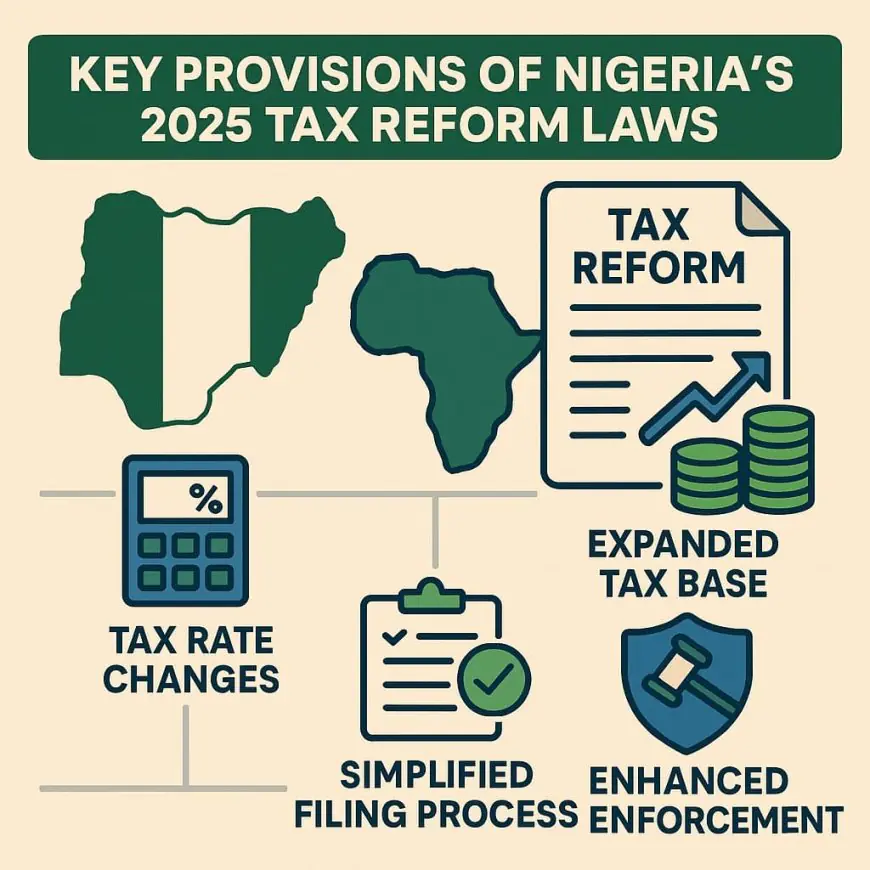
Signed into law in mid-2025, the Nigeria Tax Act 2025 (Act No. 7) represents the most significant consolidation of tax laws in the country’s history. Replacing legacy statutes like the Companies Income Tax Act and the VAT Act, this new framework seeks to simplify compliance while expanding the tax base. Whether you are a business owner, a non-profit, or an individual, understanding what is taxable and what is exempt is now crucial for financial planning.
What Incomes and Profits are Taxable?
Under the new law, the government casts a wide net on "chargeable income." According to Section 4(1), tax is imposed on profits or gains accruing in, derived from, or brought into Nigeria. Specifically, taxable income includes:
- Business & Professional Profits: Gains from any trade, profession, or vocation.
- Investment Income: Dividends, royalties, rents, interests, and annuities.
- Digital Assets: For the first time, profits from transactions involving digital or virtual assets are explicitly taxable.
- Employment Earnings: Salaries, wages, bonuses, and benefits-in-kind.
- Grants and Awards: Prizes, winnings, and grants are now classified as taxable income for the recipient.
The Bright Side: What Incomes are Not Taxable?
To encourage growth, the Act provides several key exemptions. Notably, small companies with a turnover of ₦50 million or less are taxed at 0%. Other non-taxable areas include:
- Agriculture: Profits from primary crop and livestock production are exempt for the first five years of operation.
- Charity & Religion: Income of religious or charitable organizations of a "public character" is exempt, provided it isn't derived from a commercial trade.
- Essential Goods: Basic foods, baby products (0–3 years), and medical supplies remain exempt from Value Added Tax (VAT).
- Minimum Wage Earners: Individuals earning the national minimum wage or less are completely exempt from personal income tax.
The ₦2 Million Grant Question: Can You Transfer Without Tax?
A common concern for philanthropists is whether a large grant, such as ₦2 million, can be moved without losing a portion to the taxman. Under the 2025 Act, the answer depends on the status of the receiver. If the recipient is a registered organization of a "public character," the grant itself is exempt from income tax. However, the Electronic Money Transfer Levy (EMTL) of ₦50 will still apply to the physical transfer because it exceeds the ₦10,000 threshold.
Sending Money Tax-Free: How to Beat the EMTL
Many Nigerians ask: "How can we transfer money without being taxed?" While the ₦50 levy is standard, you can legally avoid it in three ways:
- Small Sums: Any transfer below ₦10,000 is automatically exempt.
- Self-Transfers: Moving money between your own accounts in the same bank (intra-bank) is tax-free.
- Salary Descriptions: Payments correctly categorized as "Salaries" or "Wages" are exempt from the transfer levy.
Are Both the Sender and Receiver Taxed?
Yes, but in different ways. The Sender (Transferor) is usually the one who pays the ₦50 EMTL duty on the transaction. The Receiver, on the other hand, is liable for Income Tax if the money is a business profit or a taxable grant. However, if the sender is a company, they may claim a tax deduction for donations made to recognized public funds, effectively reducing their overall tax burden.
For more detailed information on corporate compliance, you can visit the Federal Inland Revenue Service (FIRS) website for the latest administrative guidelines.
FLYER: The EMTL Simplified Process (Nigeria Tax Act 2025)
Save money on your transfers by following this simple logic:
- CHECK THE AMOUNT:
- Is it below ₦10,000? → NO TAX (Exempt)
- Is it ₦10,000 or above? → ₦50 Charge Applies
- CHECK THE ACCOUNT:
- Is it your own account in the SAME bank? → NO TAX (Exempt)
- Is it your own account in a DIFFERENT bank? → ₦50 Charge Applies
- CHECK THE DESCRIPTION:
- Is it a "Salary" or "Wage" payment? → NO TAX (Exempt)
- Is it a "Grant" or "Gift"? → ₦50 Charge Applies
- CHECK THE RECIPIENT:
- Registered Co-operative Society? → NO TAX (Exempt)
- Government Ministry/Agency? → NO TAX (Exempt)