
































Why The New AI Kidnapping Trend Is Terrifying Families Across America
A chilling new wave of AI-powered "virtual kidnappings" is targeting families by cloning the voices of loved ones. With just three seconds of audio, fraudsters are creating hyper-realistic ransom calls to demand Bitcoin, leaving victims traumatized and out of thousands of dollars.



The Phone Call No Parent Wants to Receive
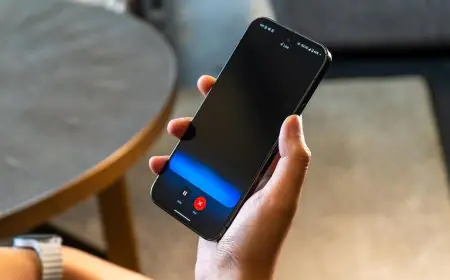
Imagine your phone rings at 2:00 PM on a Tuesday. You answer, and the sound on the other end stops your heart: it is your daughter’s voice, sobbing, pleading for help. Before you can even scream her name, a harsh, unfamiliar voice cuts in. They claim to have her. They know where she goes to school. They want $10,000 in Bitcoin immediately, or you will never see her again.
In 2026, this nightmare is becoming a frequent reality. But there is a high-tech twist that makes it even more sinister—your daughter is perfectly safe at school, and the voice you heard was a digital ghost. This is the era of the AI virtual kidnapping, a predatory scam that leverages voice cloning to weaponize your deepest fears for a quick crypto payout.
The Three Second Rule
The speed at which this technology has evolved is staggering. Only a few years ago, a scammer would need hours of high-quality audio to mimic a person. Today, generative AI has crossed what experts call the "indistinguishable threshold." According to a global study by McAfee, a mere three seconds of audio is now enough to create a "Voice Twin" with an 85% accuracy match.
Where do they get those three seconds? Everywhere. That video of your kid’s soccer goal on Instagram, a quick TikTok update, or even a recorded greeting on your voicemail provides all the biometric data a fraudster needs. Once they have the "voice print," they use an AI interface to type out a script, and the machine breathes life into it, complete with the specific gasps, sobs, and cadences that make it sound undeniably real.
[Image showing the steps to verify a virtual kidnapping scam]
Why Bitcoin Is the Preferred Weapon
The transition to Bitcoin and other cryptocurrencies has made these scams nearly impossible to stop once the "send" button is pressed. In traditional kidnapping hoaxes, wire transfers or gift cards left a trail. In 2026, scammers demand high-velocity transfers to decentralized wallets. These transactions bypass traditional bank fraud filters that might otherwise flag a sudden, panicked $15,000 withdrawal.
Authorities note that the psychological pressure is the key. By creating a "false emergency," the scammer robs the victim of their rational thinking. Data from the National Council on Aging suggests that one in four adults has already encountered an AI voice scam or knows someone who has. The success rate is alarmingly high because humans are biologically wired to trust the sound of a loved one in distress.
How to Build Your Family’s Integrity Shield
As the barrier to entry for this technology collapses, the responsibility for defense shifts to the individual. Law enforcement and cybersecurity experts are urging families to move toward a "Zero-Trust" communication protocol. Here is how you can protect your inner circle:
- The Family Code Word: Establish a secret, non-obvious word or phrase. If you receive an emergency call, ask for the code word. A digital clone won't know it, and the scammer will likely hang up.
- Verification via Secondary Channels: If you get a ransom call, try to contact the "victim" on a different app (like FaceTime or an encrypted messenger) while keeping the scammer on the line.
- Digital Privacy Audits: Limit the amount of public audio you share. If your social media profiles are public, you are essentially providing a buffet of data for "Synthetic Social Engineering."
A Turning Point for Human Trust
We are entering a phase where we can no longer trust our ears. While the 2026 International AI Safety Report indicates that developers are working on "digital watermarking" to flag AI-generated audio, those tools are still catching up to the criminals. For now, the best defense is a healthy dose of skepticism and a plan. The next time your phone rings with a terrifying request, remember: the voice might be real, but the person behind it might be a machine.