










































Chief AI Officer Role Is Exploding Across Global Enterprises
A new IBM study shows a dramatic rise in Chief AI Officers, with 76 percent of organizations now appointing dedicated AI leaders as companies increasingly rely on AI for strategic decisions.
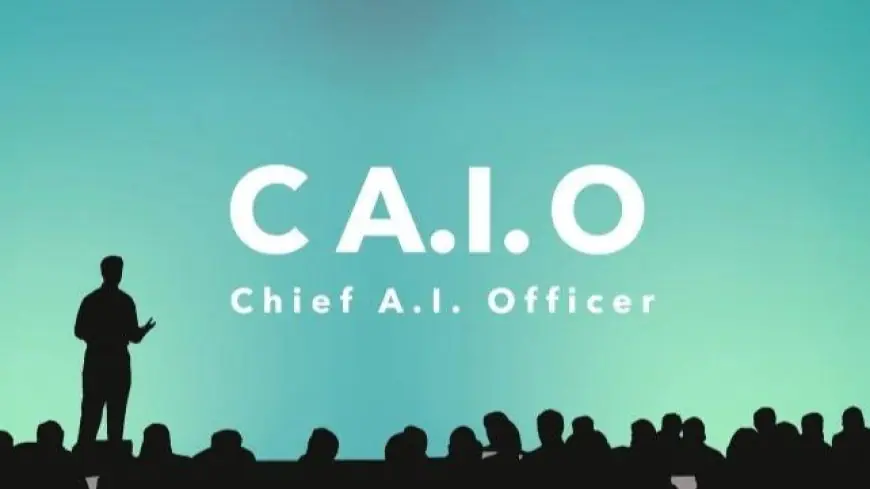


The role of artificial intelligence in corporate leadership is evolving at a remarkable pace, and a new global study from IBM puts hard numbers behind that shift. According to the report, 76 percent of organizations now have a Chief AI Officer, a dramatic increase from just 26 percent in 2025. What was once considered a niche or experimental position has quickly become a core part of the modern executive team.
This surge reflects more than just a change in job titles. It signals a deeper transformation in how companies view artificial intelligence—not as a supporting tool, but as a central driver of strategy and growth. The Chief AI Officer, or CAIO, is increasingly responsible for aligning AI initiatives with business goals, ensuring ethical deployment, and translating complex technological capabilities into real-world value.
One of the most striking findings in the study is the growing confidence among top executives. Around 64 percent of CEOs now say they are comfortable making high-stakes decisions based on AI-generated insights. This marks a significant departure from the caution that once defined enterprise AI adoption. Today, leaders are not just experimenting with AI—they are trusting it to guide critical business moves.
The rise of the CAIO also highlights the complexity of managing AI at scale. Implementing AI across an organization involves far more than deploying algorithms. It requires data governance, infrastructure planning, risk management, and continuous monitoring. By appointing a dedicated executive, companies are acknowledging that AI demands the same level of oversight and strategic focus as finance, operations, or technology.
Industries ranging from finance to healthcare are leading the charge. In these sectors, the stakes are particularly high, and the potential benefits of AI are substantial. From improving fraud detection to optimizing patient care, AI-driven decisions can have immediate and measurable impact. Having a Chief AI Officer helps ensure that these opportunities are pursued responsibly and effectively.
At the same time, the rapid adoption of AI leadership roles raises important questions about skills and accountability. Finding individuals who can bridge the gap between technical expertise and business strategy is no small task. Organizations must invest not only in technology but also in talent development to ensure their AI leaders are equipped to navigate an increasingly complex landscape.
The trend also points to a broader cultural shift within enterprises. AI is no longer confined to IT departments or innovation labs. It is becoming embedded in every aspect of business operations, from marketing and customer service to supply chain management. This widespread integration makes it essential to have leadership that can coordinate efforts across departments and maintain a unified vision.
For those interested in exploring the evolving role of AI in business leadership, resources such as IBM Institute for Business Value and Harvard Business Review AI Insights offer valuable perspectives. As organizations continue to adapt, one thing is clear: the Chief AI Officer is no longer optional—it is fast becoming essential.