




































Google Rolls Out Interactive "AI Mode" to Reshape Enterprise Advertising
Google has introduced a new conversational AI Mode inside Google Ads, allowing businesses to move beyond traditional keyword-based advertising toward real-time AI-driven customer interactions. The update could significantly reshape how brands manage online commerce, lead generation, and digital marketing strategies.
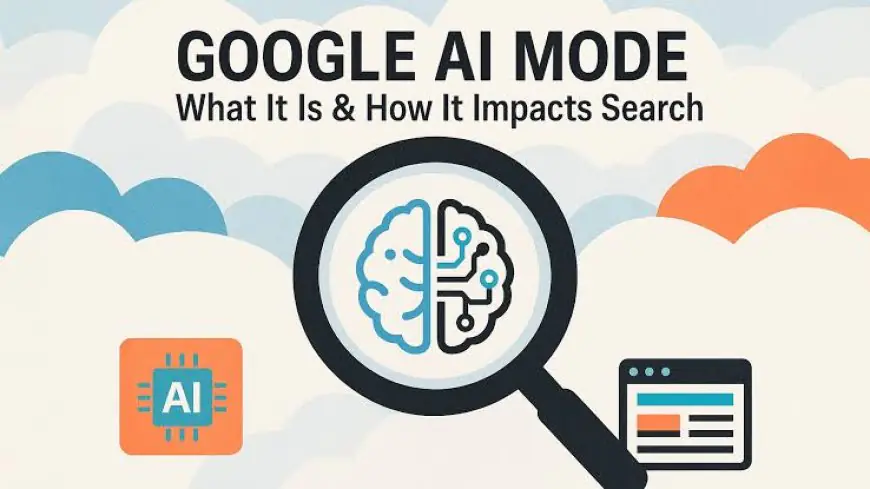


The Future Of Digital Advertising Is Becoming Conversational
Google is making one of its biggest moves yet in the rapidly evolving artificial intelligence race by integrating a new conversational AI Mode directly into Google Ads. The rollout signals a major transition away from traditional keyword-based digital advertising toward real-time, AI-driven customer engagement systems capable of operating more like intelligent digital sales agents.
For years, online advertising has largely revolved around keywords, targeting algorithms, and static campaign structures. Businesses would bid on search terms, optimize landing pages, and compete for visibility inside rigid advertising systems. Google’s new AI Mode suggests that era may be beginning to change as conversational AI becomes increasingly embedded inside the digital commerce ecosystem.
How Google AI Mode Changes Advertising
According to the company, the new AI-powered advertising environment allows businesses to deploy specialized AI layers capable of interacting with customers directly during the buying journey. Instead of relying solely on users clicking static ads and navigating traditional funnels, AI systems can now answer questions instantly, qualify leads dynamically, and guide purchasing decisions through conversational interactions.
The platform also introduces a more agentic approach to campaign management. Businesses can reportedly manage advertising delivery and customer engagement through conversational interfaces rather than manually adjusting every aspect of campaign operations. This could dramatically simplify digital advertising workflows for companies handling large-scale customer acquisition across multiple markets.
Industry analysts believe the rollout reflects a broader shift happening across enterprise AI. Companies are increasingly moving beyond passive automation tools and toward systems capable of making decisions, adapting in real time, and executing customer-facing tasks independently. In the advertising industry, that transformation could fundamentally reshape how brands communicate with consumers online.
Why Businesses Are Paying Close Attention
The implications for e-commerce and online business are significant. Modern consumers increasingly expect faster responses, personalized interactions, and seamless digital experiences across search, messaging, and shopping platforms. AI-powered conversational advertising may allow businesses to deliver those experiences more efficiently while reducing friction in the customer acquisition process.
For enterprise marketers, the ability to combine conversational AI with real-time ad optimization could improve lead conversion rates, automate customer qualification, and streamline sales workflows at scale. Companies operating in highly competitive industries may especially benefit from AI systems capable of responding instantly to customer intent rather than relying entirely on traditional click-based engagement models.
Additional information about AI-powered advertising and marketing automation can be explored through the official Google Ads and Commerce platform.
The Bigger Shift Toward AI Driven Commerce
Google’s AI Mode rollout also highlights a much larger transformation unfolding across the global technology industry. Artificial intelligence is increasingly becoming embedded directly into commerce infrastructure, changing how businesses attract customers, process transactions, and manage digital experiences.
Many analysts believe conversational commerce powered by AI agents could eventually replace significant portions of today’s traditional advertising ecosystem. Rather than searching through static websites or generic ads, consumers may increasingly interact with intelligent systems capable of answering questions, recommending products, negotiating services, and completing purchases in real time.
At the same time, the transition raises new questions around transparency, privacy, and market competition. As AI systems gain greater control over customer engagement and advertising decisions, regulators and businesses may face increasing pressure to ensure accountability in how automated systems influence consumer behavior.
Despite those concerns, momentum behind conversational AI commerce continues accelerating rapidly. Google’s latest move suggests the future of online advertising may no longer revolve around keywords alone, but around intelligent AI systems capable of functioning as always-on digital sales and customer engagement agents.
More insights into the future of enterprise AI and conversational commerce are available through the official Google Cloud AI platform.