











































OpenAI's Insatiable Appetite for Capital Reshapes Its Future
OpenAI, creator of ChatGPT, reveals unprecedented capital requirements, driving a shift to a for-profit model to secure billions in funding for AI development and competition.

OpenAI, the company behind the revolutionary ChatGPT, has announced that it requires substantially more funding than initially anticipated to maintain its position at the forefront of artificial intelligence development. This revelation has prompted a significant shift in the company's structure and strategy.


The San Francisco-based startup, valued at $157 billion, has been burning through capital at an alarming rate. After securing $10 billion in funding at the beginning of 2023, OpenAI nearly exhausted these resources within 18 months, leading to an additional $6.6 billion raise and a $4 billion loan arrangement.
OpenAI's financial trajectory is staggering. The company is currently spending over $5.4 billion annually, with projections indicating that by 2029, yearly expenditures could reach a whopping $37.5 billion. This rapid escalation in costs is primarily attributed to the enormous computing power required to develop and run advanced AI models like ChatGPT.
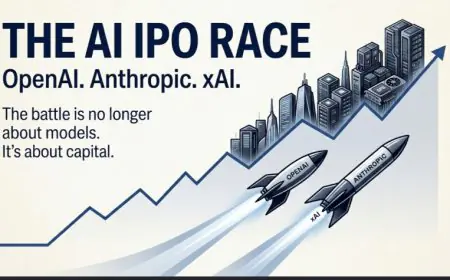
To address mounting financial needs, OpenAI is planning to transition from its original non-profit research entity status to a for-profit model. This structural change is seen as crucial for attracting the billions in investment needed to compete with tech giants like Microsoft, Google, and emerging players like Elon Musk's xAI.
Despite the company's impressive revenue growth—from $28 million in January 2023 to $300 million in August of the same year—OpenAI is still operating at a loss. The company expects to lose approximately $5 billion by the end of 2024, highlighting the intense capital requirements of cutting-edge AI research and development.
The move towards a for-profit model includes plans to establish a public benefit corporation (PBC) to manage commercial activities. This shift will allow OpenAI to operate more like a traditional startup, lifting some of the limitations imposed by its nonprofit status.
OpenAI's board has acknowledged the need for a more conventional equity structure to attract investors, stating, "We need to raise more funds than we imagined." This admission underscores the competitive landscape of the AI industry, where major players are investing hundreds of billions in technological advancements.
As OpenAI continues to push the boundaries of AI capabilities, its financial strategy reflects the high-stakes nature of the industry. The company's ability to secure massive funding rounds and maintain its rapid growth will be crucial in determining its long-term success and impact on the future of artificial intelligence.