

























Nvidia generative AI for graphics marks the biggest leap in a decade
At GTC 2026, Nvidia CEO Jensen Huang unveiled a paradigm shift in visual computing, moving from traditional rendering to fully generative neural graphics. This new era promises to transform gaming, cinema, and industrial simulations by allowing AI to "imagine" and generate hyper-realistic pixels in real-time.
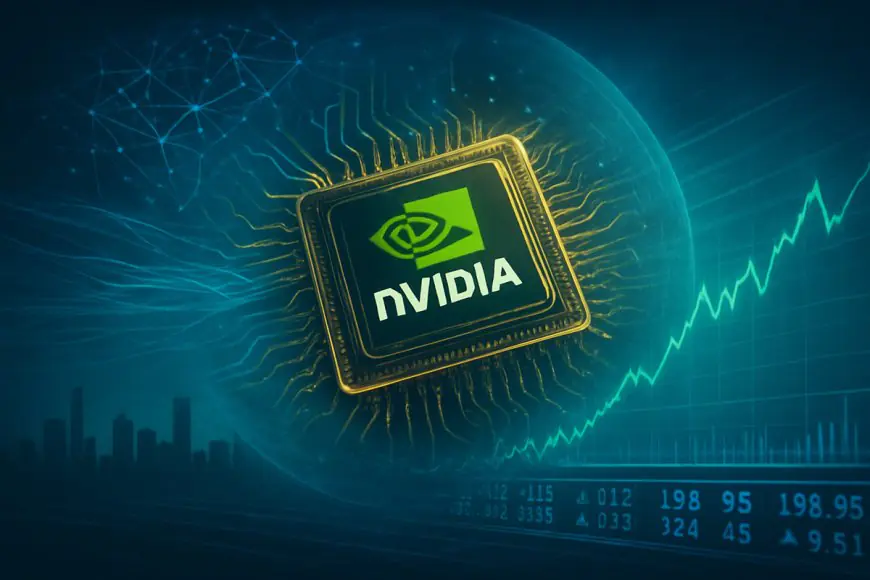

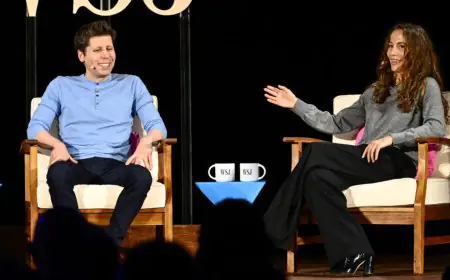
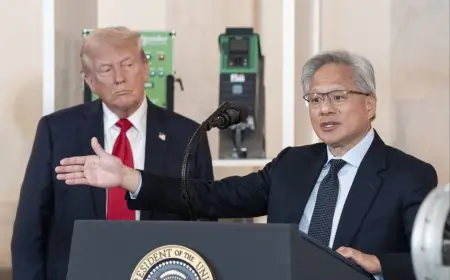
Walking into the keynote at GTC 2026, the atmosphere was electric with the kind of anticipation usually reserved for once-in-a-generation product launches. Nvidia did not disappoint. CEO Jensen Huang took the stage to unveil what he describes as a "mind-blowing" leap in generative AI for graphics, a suite of technologies that effectively signals the end of traditional rendering as we know it. For over twenty years, the industry has chased the dream of perfect photorealism through raw math and light physics. Today, Nvidia suggested that the future of the pixel isn't calculated—it's generated.
The core of this announcement revolves around a concept called "Neural Graphics." While previous iterations of AI in gaming, like the early versions of DLSS, focused on upscaling or filling in missing frames, this new generation of AI-driven engines is capable of synthesizing entire 3D environments from sparse data. It is a fundamental shift from the "brute force" rendering that has defined the last decade of GPU development.
The Death of the Rasterized Pixel
During a live demonstration that left the audience in a stunned silence, Huang showcased a digital world that was being generated in real-time with zero traditional geometry. Instead of loading massive texture files and complex wireframes, the GPU was running a generative model that "knew" what wood, glass, and light should look like. This allows for a level of visual fidelity that was previously impossible, even on the most expensive hardware arrays. By offloading the heavy lifting to neural networks, Nvidia is promising a 10x increase in performance efficiency.
This isn't just a win for gamers looking for higher frame rates. The implications for the film industry and industrial simulations are staggering. Imagine a film director being able to change the lighting, the weather, or even the architectural style of a digital set in real-time, with the AI instantly regenerating the scene to maintain perfect physical accuracy. You can see the groundwork for these breakthroughs in the latest research papers published on the Nvidia Research portal, where neural radiance fields (NeRFs) have been evolving at a breakneck pace.
Reshaping the Creator Economy
One of the most human elements of the GTC keynote was the focus on democratization. For years, creating high-end 3D content required massive teams and multi-million dollar budgets. Nvidia’s new generative tools include a feature called "Neural Artist," which allows creators to sketch simple shapes and have the AI fill in the professional-grade details. This lowers the barrier to entry for independent developers and digital artists, potentially sparking a new golden age of creative content.
The tech world is already drawing comparisons to the jump from 2D sprites to 3D polygons in the mid-90s. Industry experts at SIGGRAPH have noted that this transition to generative graphics will likely become the "evergreen" standard for the next twenty years. We are moving away from a world where we build digital objects and toward a world where we describe them, and the AI brings them to life.
A Future Built on Intelligence Not Just Power
As we look toward the 2027 release cycle, it is clear that the "battle of the teraflops" is largely over. The new battleground is model architecture and data efficiency. Nvidia’s move to make generative AI the cornerstone of its graphics division proves that the company no longer views itself as a hardware manufacturer, but as a "world-building" company. The "AI-powered leap" Huang promised isn't just about making games look better; it’s about creating digital realities that are indistinguishable from our own.
But with this power comes a new set of questions regarding digital authenticity and the role of the human artist. As the AI begins to do the majority of the "drawing," the role of the creator will shift toward that of a curator or a director. It’s a brave new world for visual computing, and based on what we saw this week, the view is going to be spectacular.