

































TSMC Revenue Surged Thirty Five Percent Amidst Global AI Chip Demand
Taiwan Semiconductor Manufacturing Company (TSMC) has reported a massive 35% revenue increase, fueled by the insatiable appetite for AI semiconductors. As the world’s leading foundry, TSMC's financial success confirms that the hardware layer remains the most profitable and critical sector of the ongoing artificial intelligence revolution.
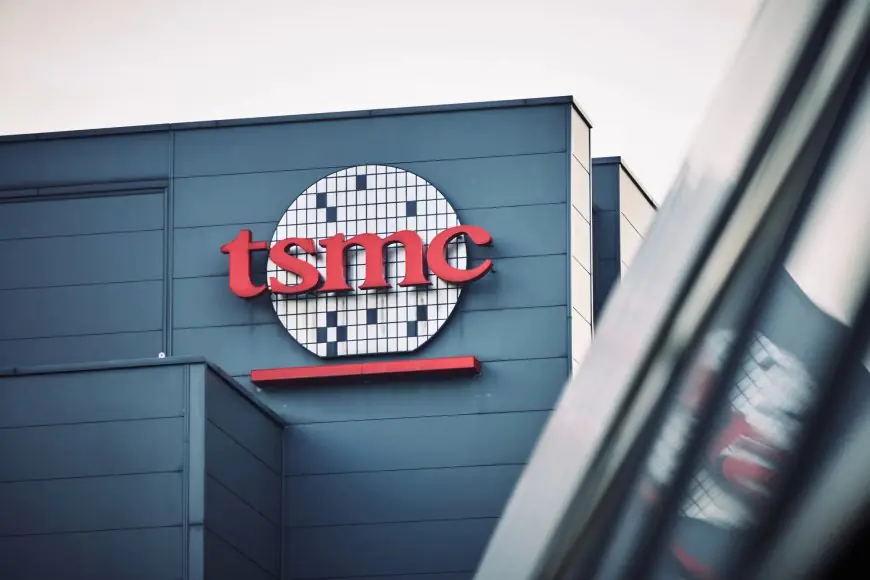


The numbers are in, and they tell a story of an industry that shows no signs of cooling down. Taiwan Semiconductor Manufacturing Company (TSMC), the silent engine powering nearly every major AI breakthrough, has reported a staggering 35% surge in year-over-year revenue. This isn't just a win for a single company; it is a loud and clear signal to the global market that the "silicon ceiling" is still nowhere in sight. As tech giants like Nvidia, Apple, and Microsoft scramble to secure future production capacity, TSMC has solidified its position as the ultimate gatekeeper of the AI era.
While software and generative models get the lion's share of the headlines, the financial reality is that hardware remains the backbone of the boom. This latest revenue jump was driven almost exclusively by the unquenchable thirst for high-performance computing (HPC) and advanced 3-nanometer and 5-nanometer chips. For investors and industry analysts, the message is obvious: if you want to understand where the AI market is headed, you have to look at the foundries first.
The Nvidia And Apple Effect
Much of this growth can be attributed to the massive rollout of next-generation AI accelerators. Nvidia’s Blackwell architecture, which entered full-scale production recently, has placed an unprecedented strain on TSMC's advanced packaging facilities. Simultaneously, Apple’s push into "On-Device AI" with its latest silicon has ensured that TSMC’s production lines remain booked through the end of the year. This dual demand from both the data center and the consumer device sectors has created a perfect financial storm for the Taiwanese giant.
The 35% growth rate is particularly impressive when you consider the logistical hurdles the company has faced, including rising energy costs and the geographical diversification of its manufacturing hubs. According to recent market analysis from Bloomberg, TSMC’s ability to maintain high yields on its most advanced nodes has allowed it to command premium pricing, effectively insulating its profit margins from broader economic inflationary pressures.
Why Semiconductors Are The Real AI Goldmine
In any gold rush, it is the shovel sellers who make the most consistent profit. In the AI world, TSMC isn't just selling shovels; they own the only factory capable of making them. As we move further into 2026, the complexity of AI models is outstripping the efficiency of older hardware, forcing a mandatory upgrade cycle across the entire enterprise landscape. This has turned semiconductors into a "flight to quality" asset for the tech sector.
The shift toward "sovereign AI"—where nations build their own localized data centers—has further spiked demand. Countries are no longer content to rely on cloud services hosted elsewhere; they want their own clusters, and those clusters require the very chips that only TSMC can reliably produce at scale. This "infrastructure-first" mindset has shifted the focus from model innovation to physical capacity, making the official TSMC investor reports a more accurate weather vane for the tech industry than any software launch event.
The Roadmap To Two Nanometers And Beyond
Looking ahead, the focus is already shifting to 2027 and the transition to 2nm production. TSMC’s management has hinted that the demand for 2nm technology is already exceeding what they saw during the 3nm ramp-up phase. This suggests that the 35% revenue surge we are seeing now might not be a peak, but rather the beginning of a new baseline for the semiconductor industry.
The key takeaway for the market is that the AI revolution is currently hardware-constrained. The speed at which we can develop safer, smarter, and more autonomous systems is directly tied to how many wafers TSMC can churn out. As long as the world remains hungry for smarter machines, the foundry that builds their "brains" will remain the most influential player in the global economy. For now, the hardware-led rally continues, and the rest of the tech world is simply trying to keep up with the pace of the silicon.